Australia's unemployment rate has risen to its highest point in almost five years, and comes far sooner than forecast by the Reserve Bank of Australia.
Australia's cash rate is now sitting at its pandemic-era peak, as the RBA continues to battle escalating inflation compounded by conflict in the Middle East.
Hopes for a May rate rise reprieve look to be dashed after new ABS data, released today, revealed inflation has hit its highest point in almost three years.
The first inflation data post-Federal government energy subsidy has revealed a 16-month-high underlying inflation reading, but experts still expect just one more cash rate rise this year.
Australia's unemployment rate remained unchanged at 4.1 per cent in January, remaining stubbornly tight ahead of the Reserve Bank's March rates decision.
Western Australians wages rose more than any other state over the past twelve months, while government sector wage increases continue to outpace that of the private sector.
New ABS data has revealed household spending fell 0.4 per cent during December, reversing the trend of spending increases observed during the latter months of last year.
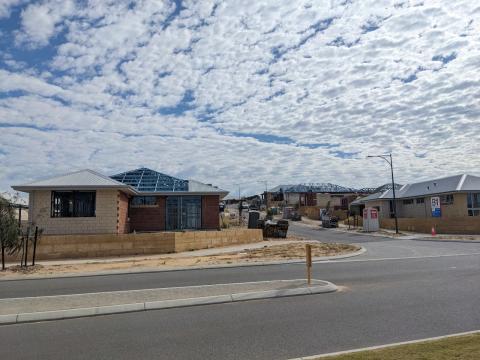
New ABS data released on Tuesday showed the state's dwelling approvals fell by 1.9 per cent in December, adding to the 14.1 per cent drop in November, sparking urgent calls for reform.
Western Australia has again led the pack for national population growth, with overseas migration the primary driver pushing the state's population beyond three million.
Australians spent big at the altar of rock gods AC/DC and Oasis, continuing a run of strong household spending that will add to the Reserve Bank's concerns over inflation.
Australia's gross domestic product rose 0.4 per cent in the quarter, with data centre investment driving an uptick in private investment over the period.
Australia's unemployment rate has returned to 4.3 per cent after an unexpected uptick in September, dashing hopes a cash rate cut would come before the end of the year.
Figures released today revealed Australia's unemployment rate climbed to 4.5 per cent in September, lifting the spirits of those eagerly awaiting another cash rate cut from the Reserve Bank.
The state is leading the country in home completion growth, after recent data assessed whether Australia was on track to achieve its National Housing Accord target.
Australia's central bank has held the cash rate steady at 3.6 per cent, amid an uptick in inflation readings and widely inline with market expectations.
Australia's unemployment rate has remained steady at 4.2 per cent in August, despite population still climbing at double the pre-pandemic average rate.
Australia's inflation eased to 2.1 per cent in the June quarter, bolstering expectations the Reserve Bank will cut interest rates at its August meeting.
Despite cost-of-living being a key issue on most Australian's minds, new data from the Australian Bureau of Statistics indicates confidence in the economy.
Underlying inflation has eased to its lowest level in more than three years, bolstering expectations the Reserve Bank will lower interest rates at its July meeting.
The public sector may be outperforming private organisations when it comes to the gender pay gap, but new data shows women in public service earn around $8,200 less than men each year.