Triangle Energy is rolling the dice on Indonesia’s exploration upside, locking in funding partners to advance a potentially high-impact Joint Study Agreement (JSA) that could pave the way to new petroleum acreage.
The Perth-based oil and gas explorer has brought in its wholly owned subsidiary Tetragon Energy - currently being spun out - and ASX-listed Winchester Energy to bankroll the initiative jointly, strengthening the company’s hand as it eyes future entry into a coveted Indonesian Production Sharing Contract (PSC).
Under the deal, Tetragon and Winchester will each provide a $500,000 loan to fund the $1M security deposit required for the study. The pair will also cover 24.5 per cent apiece of the study costs, with the total program expected to run for up to eight months at an estimated cost of US$300,000 (A$422,000).
In return for the funding, the JSA partners will both have the option to step into a 24.5 per cent stake of any resulting PSC, leaving Triangle with a controlling 51 per cent interest and operatorship if things go to plan.
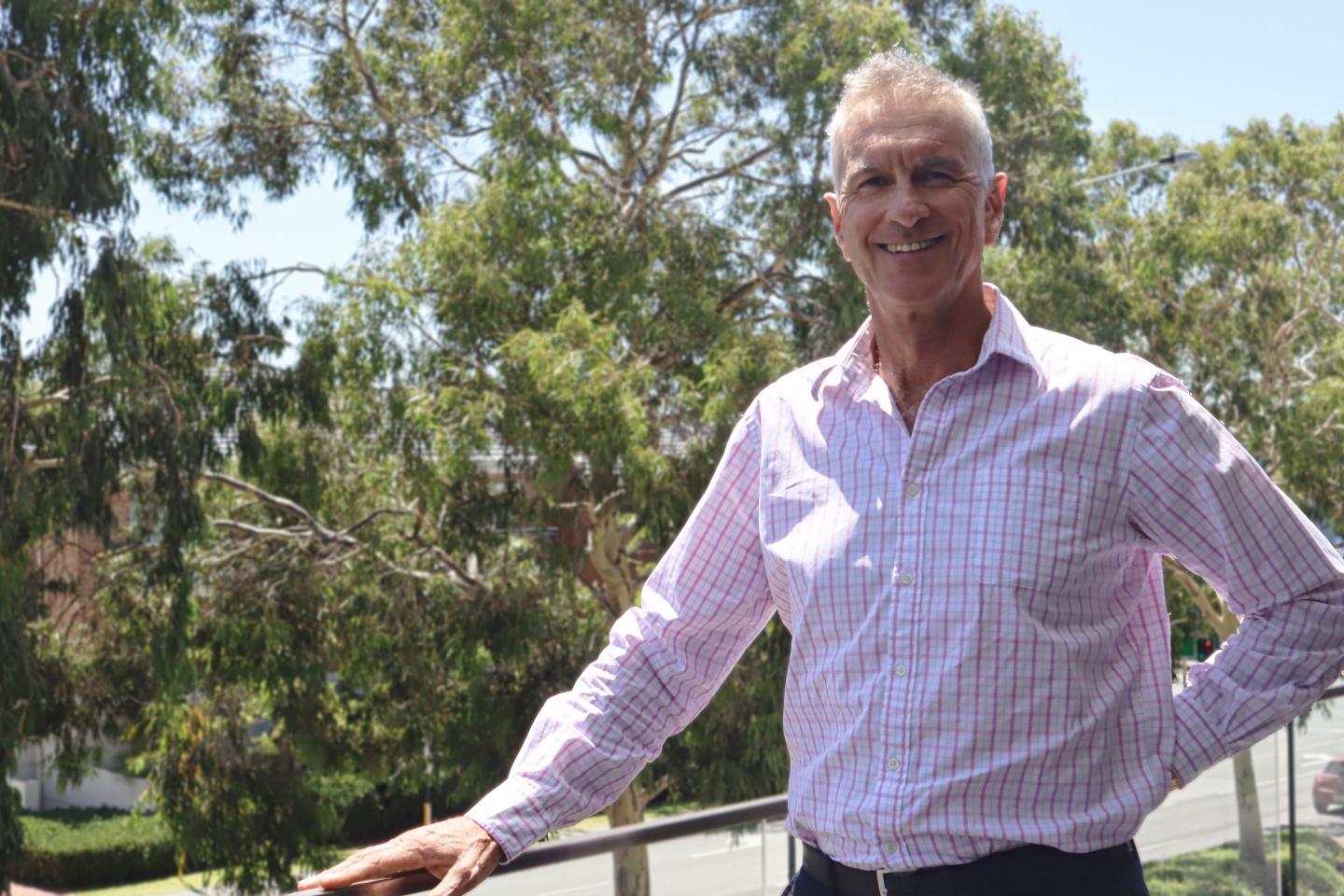
Triangle Energy Global managing director Conrad Todd said: “On successful award of a PSC, we would be delighted to have both parties join us in the exploration of the attractive potential within that PSC.”
The agreement builds on the momentum of earlier announcements, including the formal Joint Study announcement two weeks ago and the ongoing Tetragon spin-out flagged last week. Together, the moves point to a deliberate strategy to share risk while preserving upside exposure.
Triangle has already lined up a performance bond through its Australian bank to meet regulatory requirements, signalling its intent to see the process through.
The exact location and technical details of the acreage remain under wraps due to competitive sensitivities. However, given the ground’s prospectivity, the company has made it clear that a successful study outcome would trigger a bid for a PSC.
The Indonesian joint study process, overseen by the country’s upstream oil and gas regulator SKK MIGAS, offers companies an early look at prospective blocks before formal licensing.
Notably, the joint study itself does not guarantee exploration rights, with any future award subject to a competitive process. Participants fund their own geological and economic assessments, with the potential reward of being preferred bidders and/or matching any rival offers in a future PSC round.
In short, the JSA structure allows Triangle to gain a strategic foothold in a region widely regarded as underexplored and hydrocarbon-rich.
The deal also aligns neatly with the company’s broader repositioning. With its Cliff Head asset heading for divestment and international assets spanning the UK and Philippines, Triangle appears to be reshaping its portfolio towards new growth opportunities.
It’s early days, but with funding locked in and partners at the table, Triangle has put itself in the box seat for a swing at Indonesia’s exploration potential. If the study delivers, this could be where the next chapter starts.
Is your ASX-listed company doing something interesting? Contact: matt.birney@businessnews.com.au


 By Penny Taylor