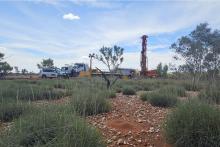
St George Mining has snapped up prime industrial land next to its Araxá project in Brazil, clearing a major hurdle on the path to fast-tracked niobium and rare earths production in a red-hot critical minerals market. The land parcel, comprising 166 hectares, is less than 2 kilometres from the mining tenure and is zoned for mining and industrial use.
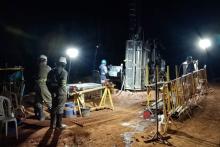
Management says ongoing drilling has confirmed mineralisation across such a broad area that keeping processing facilities off the mining lease is the smart move. With a resource upgrade due this quarter and a scoping study already underway, the land acquisition plugs neatly into a rapid development strategy.
Notably, the move mirrors the proven layout used by neighbours CBMM and Mosaic, which both operate their processing facilities outside the richly mineralised Barreiro carbonatite. The approach avoids sterilising ore and gives St George maximum flexibility as drilling continues to expand the resource footprint.
The land purchase came with a price tag of 14 million Brazilian reals (A$3.8 million), to be paid in two equal instalments – one on signing and the balance due by 30 September.
Terms and conditions are otherwise of a standard nature for transactions of this kind. The land has been acquired from a local farming family, a party unrelated to St George.
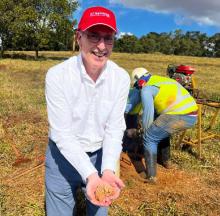
St George Mining executive chairman John Prineas said: “The success of our expansion drilling at Araxá has been amazing, with a large resource upgrade likely. In conjunction with the drilling, we have been progressing development workstreams to ensure that we maintain an expedited pathway to development.”
Under an earlier memorandum of understanding, the State of Minas Gerais committed to speedy approvals for Araxi’s development. It has also provided sweeping tax relief on capital goods, which could materially lower development costs.
The dual move emphasises the region’s ambitions to emerge as a future hub for rare earths production and downstream processing, including magnet-related industries, at a time when global supply security has become a priority.
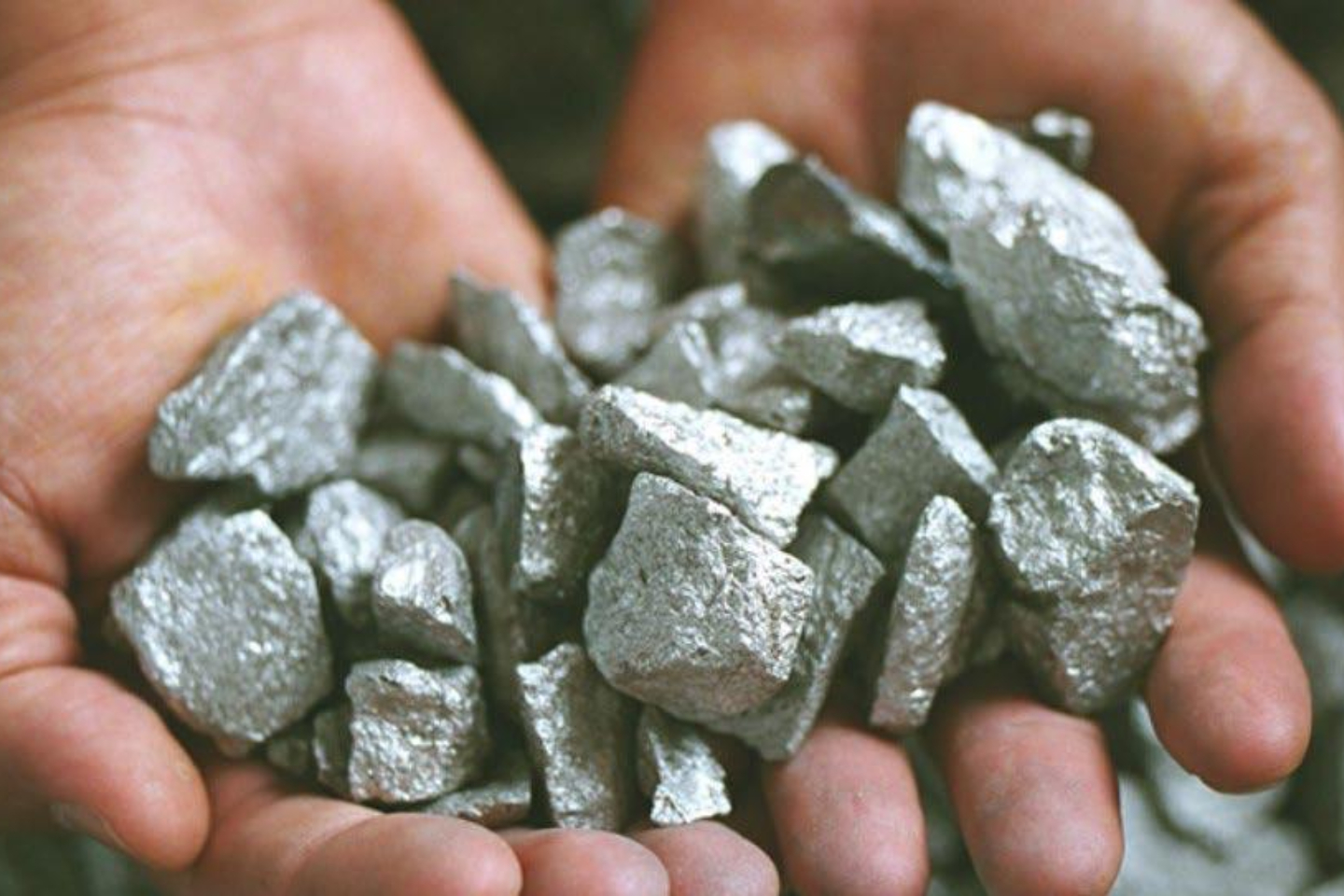
The resource base already suggests a world-class deposit, even without any further extensional drilling. Araxá hosts a mineral inventory of 40.6 million tonnes grading 4.13 per cent total rare earth oxides, making it the largest carbonatite-hosted rare earths deposit in South America.
Notably, the valuable magnet elements, neodymium and praseodymium, account for almost 20 per cent of the total contained metals, strengthening the project’s economic potential.
Adding another ace to the hand, Araxá also has highly sought-after niobium in the mix, with grades of 0.68 per cent offering a potential second revenue stream.
With tax relief locked in and feasibility work gathering pace, the dual- commodity resource at Araxá looks set to transition from an exploration success story in a friendly mining jurisdiction to a serious developer of rare earth elements.
Is your ASX-listed company doing something interesting? Contact: matt.birney@businessnews.com.au