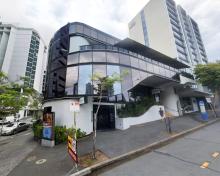
Raafa nears a century of service



SUBSCRIPTION REQUIRED
Start a free trial to unlock this article
Get full access to all articles, Data & Insights, and over 20 years of WA business intelligence, updated daily.


Get full access to all articles, Data & Insights, and over 20 years of WA business intelligence, updated daily.
 14 Oct 2026
 07 Oct 2026
 05 Oct 2026
 01 Oct 2026
 25 Sep 2026
Companies tracked
professionals profiled
years of historical data
Yes. Corporate subscriptions are available for teams and organisations, with discounted rates as user numbers increase. Pricing starts from $1,625 + GST per user. Get in touch to discuss the right option for your organisation.
Business News subscriptions are used by executives, investors, consultants and professionals who need to stay informed and make better decisions about the WA market. When you subscribe you’ll get
Data & Insights is a research tool built specifically for the WA market. It draws on more than 30 years of Business News reporting, updated regularly to reflect what's happening now. Use it to:
Data & Insights is updated daily by our dedicated research team, which uses the latest announcements, ASX filings and editorial coverage to keep our person, company, list and project records up to date.
Business News welcome all opportunities to make our dataset accurate, complete and current, so if you have an update request, please email the team at general@businessnews.com.au, and we'd be happy to assist.
MyBN is part of every subscription. It’s your personalised view of Business News. You can follow the companies, people, sectors and projects that matter to you, and get a news feed and alerts tailored to your interests. You can save articles to read later and retain only what you need.
Yes. You can request a 14-day free trial. Start your free trial.
Only subscribers have full access to all content on the Business News website.
If staying informed about the WA economy is part of your job, and/or you’re looking for networking opportunities in WA, Business News is built for you.
Business News subscribers are:
Most Business News publications cover national or global markets. Business News is focused entirely on Western Australia, which means the journalism, the data and the intelligence are all built around WA companies, people and projects — not adapted from a national feed. Data & Insights, included with every subscription, combines more than 30 years of WA-specific editorial research with live business data. There's no comparable product for the WA market.
The Morning Digest Email provides a comprehensive wrap of the major headlines, relevant to WA business, and includes with a snapshot of the overnight news covering oil, gold and ASX-listed companies.
The Afternoon Wrap Email focuses on the news covered by our team of journalists during the course of the working day, including exclusive stories and analysis, all of which relates to WA business and the local economy.
The BN Weekender Email contains a wrap of the Business News from the week that was, highlighting the top stories in each area of WA business. Sign up for free.
If you would like to cancel your Business News subscription, you can email our team at subscribe@businessnews.com.au or speak to us at 08 9288 2100.
We're happy to help. Get in touch and our team will come back to you.
Join 25,000+ subscribers who use Business News and Data & Insights to make better, faster decisions every day.
Request a 14-day trial