











Australian company profits have bounced back after dropping off steeply last quarter, with business inventories returning a softer-than-expected result.
The nation's central bank has reacted to concerns about the pace of interest rate rises with a softer-than-expected decision, lifting the official cash rate 25 basis points to be 2.6 per cent.
Western Australia's internal economy grew 0.9 per cent in the March quarter even as Australia as a whole contracted 0.3 per cent, but those numbers mostly predate the economic impact of the COVID-19 lockdowns.
State final demand lifted 0.2 per cent in Western Australia in the June quarter, while national GDP growth hit its fastest level in more than 5 years at 3.4 per cent in the 12 months to June.
The Royal Automobile Club of WA today announced that current group chief executive Terry Agnew will step down in March 2019 after 20 years in the role.
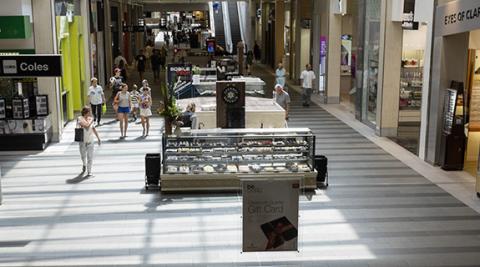
Retail spending has had a quiet start to the year, struggling to make any significant gains, and economists don't believe it will change any time soon.
Westpac Bank has absorbed the Western Australian business banking operations of its wholly-owned subsidiary St George Bank, adding to a string of changes in the sector.
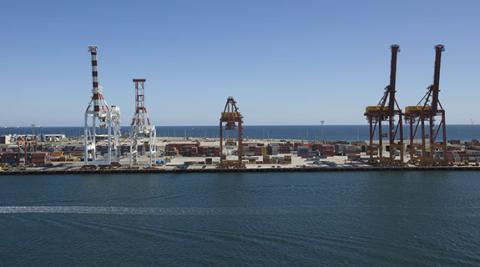
Merchandise exports from Western Australia were up 35.4 per cent in March compared with that same month in 2016, as a clear trend emerges of improving trade figures for the state.
The unemployment rate dropped 0.4 percentage points in Western Australia in February, to 6 per cent in seasonally adjusted terms, as the state jumped from last place on that metric to be better than Victoria, South Australia and Queensland.
Private sector wages growth of just 0.1 per cent in Western Australia in the three months to December, matched with recent unemployment figures, suggests the state's spluttering post-boom recovery has some way to run.
The state's unemployment rate dropped 0.3 percentage points in December to 6.6 per cent as the number of women in the labour force eased slightly, according to the latest Australian Bureau of Statistics data.
There's a one in three chance the Commonwealth government's credit rating could be downgraded within the next two years, according to Standard & Poor's, a move which would be expensive for taxpayers and may have flow on effects for other borrowers.
Standard and Poor's has lowered Australia's sovereign debt ratings outlook from AAA stable to negative, citing the ambiguous outcome of the recent federal election potentially delaying fiscal consolidation, although it affirmed the strength of the economy broadly.
Western Australian employment fell in February in seasonally adjusted terms while the unemployment rose slightly to 6.0 per cent, according to the Australian Bureau of Statistics.
Higher consumption and exports have helped the national economy grow 0.9 per cent in the September quarter, ahead of forecasts, while Western Australian state final demand shrunk around 1.3 per cent.
Western Australian merchandise exports were up 11.7 per cent for the September quarter, after five quarters of decline, while the national current account deficit fell 12 per cent to $18.1 billion.
Retail spending in Western Australia has hit its highest level on record, in seasonally adjusted terms, with September expenditure more than $2.8 billion; yet growth is well down from the heights of the boom.
Two new co-working spaces are coming to St Georges Terrace, with Liberty Executive Offices establishing a space designed for professionals and St George Bank offering free space to small businesses.
A depreciating currency and encouraging demand over the medium term spells good news for the state's mining juniors, if they can ride out short-term fluctuations.
WA outperformed most states in December's retail spending results, and with an interest rate cut and falling petrol prices, there are hopes of a retail revival.
Former 40under40 winner Andrew Thorburn is set to take the reins at National Australia Bank, following the retirement of long-serving chief executive Cameron Clyne.
The rating of Australian banks by their business customers has declined sharply over the past five years, with one of the few exceptions being Bank of Queensland.
IF there is one subject that unifies people across the property sector it is concern with the lending policies of the banks, which have been criticised for being overly strict and not really unders