A greater proportion of Western Australian taxpayers are likely to benefit from immediate changes to tax thresholds passed through parliament yesterday than other states, according to Business News analysis of Australian Taxation Office data.
The Australian dollar has gained some ground against its US counterpart which sharply reversed lower overnight following jumps in the sterling and the euro and following the release of weaker than expected business growth figures.
Global benchmark Brent crude has fallen more than two per cent ahead of a meeting of the Organisation of the Petroleum Exporting Countries, where producers were expected to boost output to stabilise prices.
US stocks have fallen at the open, weighed down by declines in Amazon after the US Supreme Court let states force online retailers to collect sales tax.
Nearly three in four taxpayers will pay a marginal tax rate of 32.5 per cent from 2025, with the government's plan to flatten the income tax system approved by the Senate today, despite moves to lower company tax still stalled.
Western Australia's population growth remains subdued, with the state recording a 0.8 per cent increase for the 12 months to December, according to the latest data from the Australian Bureau of Statistics.
The Australian dollar has continued its slide against a steady US dollar that is hovering near an 11-month peak against a basket of major currencies as China's signal of tolerance of a stronger yuan offset anxiety about the global trade conflict.
Technology and media stocks pushed Wall Street higher on Wednesday and helped the Nasdaq hit a record high, as markets eyed a recovery after being battered by a rapidly escalating China-US trade tensions.
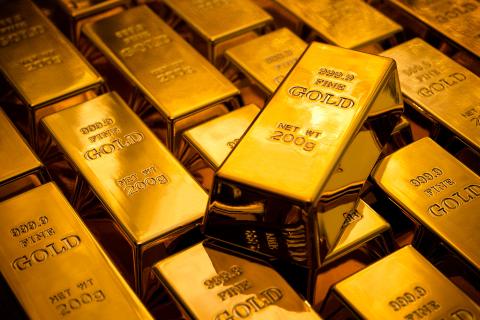
Gold prices have dropped, remaining near a six-month low, as the US dollar has hovered around 11 month peaks but was offset by festering global trade tensions, while platinum hit a 2-1/2-year trough.
Job vacancies in the Pilbara and Kimberley regions hit their highest level in four years in May, as demand for engineers, IT professionals and automotive trade workers in Western Australia takes off.
Gold has fallen to a near six-month low and platinum has hit its lowest since February 2016 as a stronger greenback is overwhelmed by safe-haven buying, spurred by fears of a trade war between the world's two top economies.
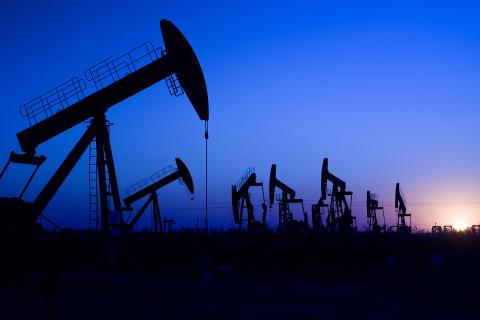
Oil has fallen ahead of a possible increase in OPEC crude supply, and as an escalating trade dispute between the United States and China unleashed sharp selloffs in many global markets.
The Australian dollar has retraced some of the ground it has lost against its major currency peers regaining almost a fifth of a cent against the US dollar.
Western Australians still have higher median incomes than those in other states despite recent softening, according to data released today, with Ashburton and Peppermint Grove the nation's top local government areas by the measure.

Oil prices have risen in volatile trade as market participants lower their expectations for how much OPEC might increase production and investors assess the impact of a trade dispute between the United States and China.
The price of gold has held close to five-and-a-half-month lows, with a strong US dollar offsetting the upward influence of an escalating trade dispute between the United States and China.
The Australian dollar has slipped a little further against its US counterpart as the spat between the US and China over trade hurts commodities and commodity currencies, including the Aussie.
Oil prices have fallen more than $US2 a barrel after two of the world's biggest producers indicated they might increase output at next week's OPEC meeting, while US exports were threatened by potential Chinese tariffs on crude oil and refined products.
Gold prices have slumped to a near-six-month low, as investors from China jittery about trade skirmishes with the United States unloaded bullion, and others joined the selling spree after prices breached below technical support of $US1,290 per ounce.
Gold prices have risen to a one-month high after the European Central Bank pledged to keep interest rates steady through to the northern summer of 2019 and investors fret over weak Chinese data.
Oil prices are mixed, with Brent slipping and WTI gaining, as a stronger US dollar weighs and a key supply-setting meeting of the Organization of the Petroleum Exporting Countries looms.
Western Australia's unemployment rate fell slightly in May to 6.4 per cent despite the local economy losing nearly 2,000 jobs, according to the latest data from the Australian Bureau of Statistics.
The Australian dollar is a little higher against its US counterpart after a jump then fall in the greenback following the Federal Reserve's lifting of its key interest rate by a quarter of one per cent.