At the core of AAP Newswire is our unbiased, 24/7 breaking newswire that feeds the latest news from Australia and the world. Supported by over 200 journalists, AAP Newswire provides the news that matters.
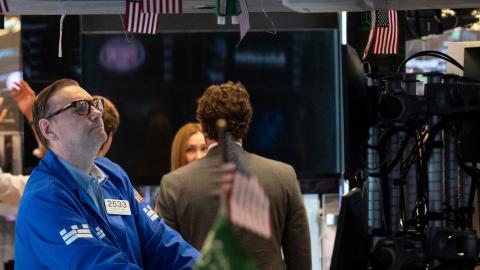
US stocks surged to their best day since last spring, and the Dow Jones Industrial Average soared 1,125 points on Tuesday as doubt swung back to hope on Wall Street about a possible end to the war with Iran.
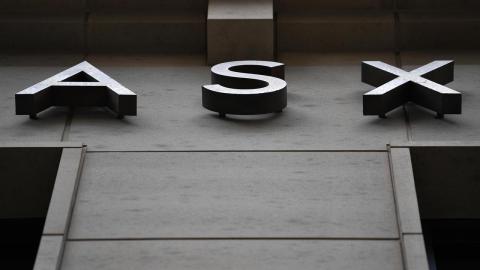
The Australian share market has closed higher following reports US President Donald Trump is willing to wind up its military campaign against Iran without first reopening the Strait of Hormuz.
The Australian share market has fallen again after oil rose to near a four-year high, amid fears another strategic Middle East waterway could become an energy choke point.
US stocks tumbled on Friday, with each of the three major US indexes closing at their lowest levels in over seven months and the Dow confirming it was in correction territory as the month-long Middle East war continued to suppress risk appetite.
Australia's share market has snapped a three week losing streak, but uncertainty hangs over investor sentiment as an oil supply route remains effectively blocked.
Australia's government insists it still has not received any direct requests from the United States for military aid in its war with Iran, after a public attack from President Donald Trump.
Australia's share market has handed back its early gains with interest as investors weigh clashing statements from the US and Iran on a potential path to de-escalation.
The Iran war will hurt consumers by pushing up prices and slowing the economy but the Reserve Bank must act to contain inflation expectations, an official says.
Wall Street's main indexes have closed higher as oil prices fell while Iran reviewed a US proposal to end the war in the Middle East, feeding investor hopes for de-escalation in the fourth week.
Australia's headline inflation rate fell in the final data before the Iran war up-ended the global economy, but Perth's inflation figure was significantly up compared to other capital cities.
A key aluminium smelter will receive billions of dollars in government funding to stay open until 2040, the latest metals manufacturer to be bailed out.
Wall Street indexes lost ground in Tuesday's volatile session as investors swayed between fears of rising oil prices and hopes for a resolution to the US-Israeli war on Iran.
An early bounce for Australian shares has faded, as hopes of Middle East de-escalation crumbled on reports US Gulf allies were taking steps to enter the conflict.
Diesel standards have been lowered to help suppliers bring more fuel into the domestic market as hundreds of service stations across the country run dry, including six in WA.
A major Australian department store operator is planning a big expansion of its e-commerce product categories when it launches a new marketplace platform in the coming months.
European-made wine, cars and fashion items will get cheaper for Australian shoppers under a long-awaited free-trade deal that will also allow local farmers to expand their meat exports.
A cautious relief swept through financial markets Monday after President Donald Trump said the United States has talked with Iran about a possible end to their war.
Australia's share market has trimmed some losses but still ended at its lowest level since May 2025, as the Middle East conflict continues to wreak havoc on energy prices.
A snap assessment of Australia's grocery supply chains will investigate how the Middle East war is impacting the way food is grown and transported around the nation.
The prime minister has been phoning his global counterparts to try and shore up Australia's fuel stocks over the coming weeks and months, as the Middle East war sends shockwaves through global supply chains.
Wall Street ended sharply lower on Friday, with the S&P 500 closing at its lowest in six months, as the US-Israeli war against Iran entered its fourth week, deepening worries about inflation and the potential for higher interest rates.
Australia's stock market is trading at its weakest level in nine months after the Iran war and the resulting energy shock prompted multiple central banks to brace for higher interest rates.
Australia's share market is on track for a third week of heavy losses as oil prices and inflation concerns spiral due to the escalating conflict in the Middle East.
The Australian share market has sharply fallen to a nearly four-month low after oil prices spiked, gold prices plunged, rate cut hopes dimmed and the war with Iran intensified.