At the core of AAP Newswire is our unbiased, 24/7 breaking newswire that feeds the latest news from Australia and the world. Supported by over 200 journalists, AAP Newswire provides the news that matters.
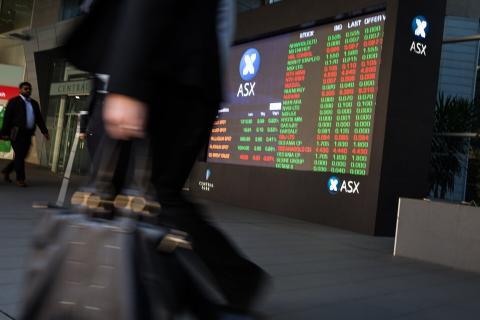
Australia's share market has snapped a three-week winning streak after surging oil prices and tremors in the artificial intelligence narrative hammered resource stocks.
Efforts to bring down gas prices for Australian households through a reservation policy will come under scrutiny as business and industry groups front the parliament.
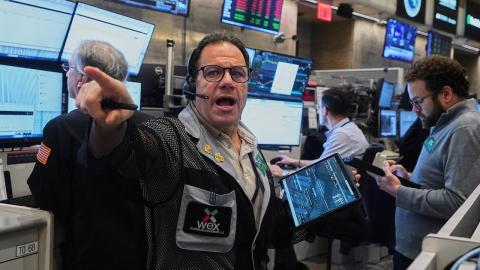
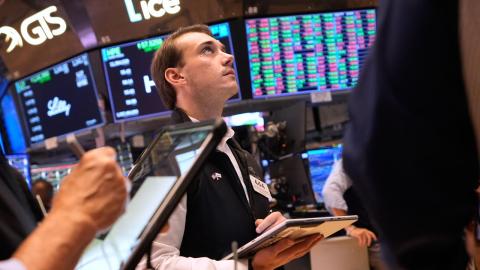
US stocks have tumbled and the Nasdaq posted its steepest daily drop since early June as a batch of high-profile earnings reports ignited fresh fears about the AI spending race.
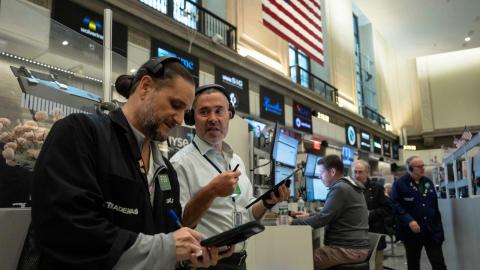
The tech-heavy Nasdaq has led Wall Street to a higher close after quarterly results from SpaceX and Super Micro Computer improved investor appetite for artificial intelligence-related stocks, weakness in communications services stocks capped gains.
The Australian share market has crept higher, shaking off hawkish comments by a Reserve Bank official that gave fresh hints a Melbourne Cup Day rate hike is a real possibility.
The Dow has closed one per cent higher, outperforming the benchmark S&P 500 while the healthcare sector provided Wall Street's biggest boost and technology was its biggest drag.
The Australian share market has fallen, dragged down by the big banks and major miners amid a disappointing quarterly production update from BHP and major job cuts at NAB.
The tech-heavy Nasdaq Composite has led Wall Street gains as investors return to the chip sector and other AI-related stocks following last week's bruising selloff, while investors wait for key corporate earnings reports.
Australian shares have started the week on the front foot after shrugging off volatility in the artificial intelligence space, as a rebound in local banks continues.
A Greens senator being investigated over accusations about his conduct towards women says he is the victim of a years-long smear campaign coming from within his party.
Wall Street has closed sharply lower, with CoreWeave, Broadcom and other AI-related technology stocks under renewed pressure, while a jump in oil prices spooked traders heading into the weekend.
The S&P 500 has closed higher, springing back from early losses as investors concerned about AI stocks shifted into Eli Lilly, UnitedHealth and other healthcare and consumer stocks.
Australia's share market has trimmed most of its early losses after weaker-than-expected jobs data gave the Reserve Bank reason to think twice before its next interest hike.
Australians are one step closer to having greater control over their social media feeds as the Greens look set to support the government's digital duty of care legislation if penalties are increased.
Australian shares have dipped following a sharp sell-off in the major banks, after disappointing earnings from their US counterparts highlighted the challenging backdrop for financial institutions.
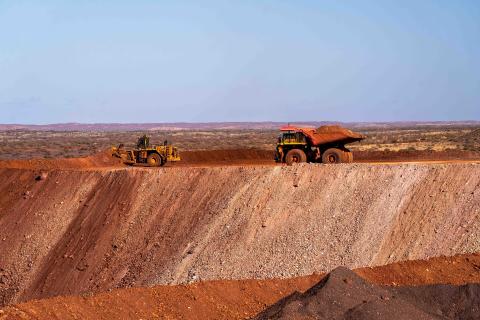
Rio Tinto says it's on track to release about $7.2 billion in capital by the end of 2026, after strong mine performance helped lift third quarter iron ore sales from its Pilbara operations above market expectations.
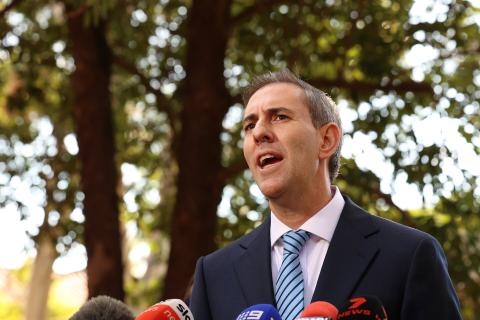
The treasurer remains upbeat as he tries to sell proposed changes to discretionary trusts, but it will be an uphill battle to appease both the small businesses and the progressive party the government needs onside to legislate the plan.
The Nasdaq ended lower on Tuesday, as chip stocks added to recent losses and investors parsed mixed quarterly results from Citigroup and other big US banks.
Australia's share market has trimmed some early losses for a flat finish despite a drop in mining and tech stocks, as financials lifted ahead of US bank earnings later in the week.
Australia's canola crop is forecast to bring home the gold, with forecasts of a record crop and high prices despite tough conditions in some key growing areas.
Telstra's chairman has warned that Australia's increasingly complex policy and regulatory settings make investment decisions difficult and risk being counter-productive.
The technology-heavy Nasdaq composite closed lower on Monday as oil prices jumped nearly $US2 ($A2.9) a barrelafter attacks on a Saudi airport, and investors waited for banks to kick off the third-quarter earnings season and for economic data this week.
Australia's share market has started the week higher after banks rallied in anticipation of US earnings season, while rebounding metals prices supported mining stocks.
The government has defended a messy transition period that is set to cost millions of dollars as it covers the bill for businesses' card surcharges on tax payments.
Wall Street has closed higher as investors shifted their focus to next week, with third-quarter earnings season set to start and inflation data expected, which could shed light on the Federal Reserve's next policy decision.
Australian shares have clocked a second week of modest progress, as global bond yields, stubborn oil prices and local economic woes cap investor confidence.
Small businesses that rely on credit cards to pay tax have been handed a reprieve after Treasurer Jim Chalmers forced the tax office to push back its controversial payment ban in exchange for more
What was set to be Australia's biggest initial public offering in a generation has collapsed in a stunning turnaround for the highly anticipated float.
US stocks have dipped as crude oil prices surged on a spike in Middle East tensions and a cut in US output that fed inflation and rate-hike fears, while semiconductor stocks slumped.