





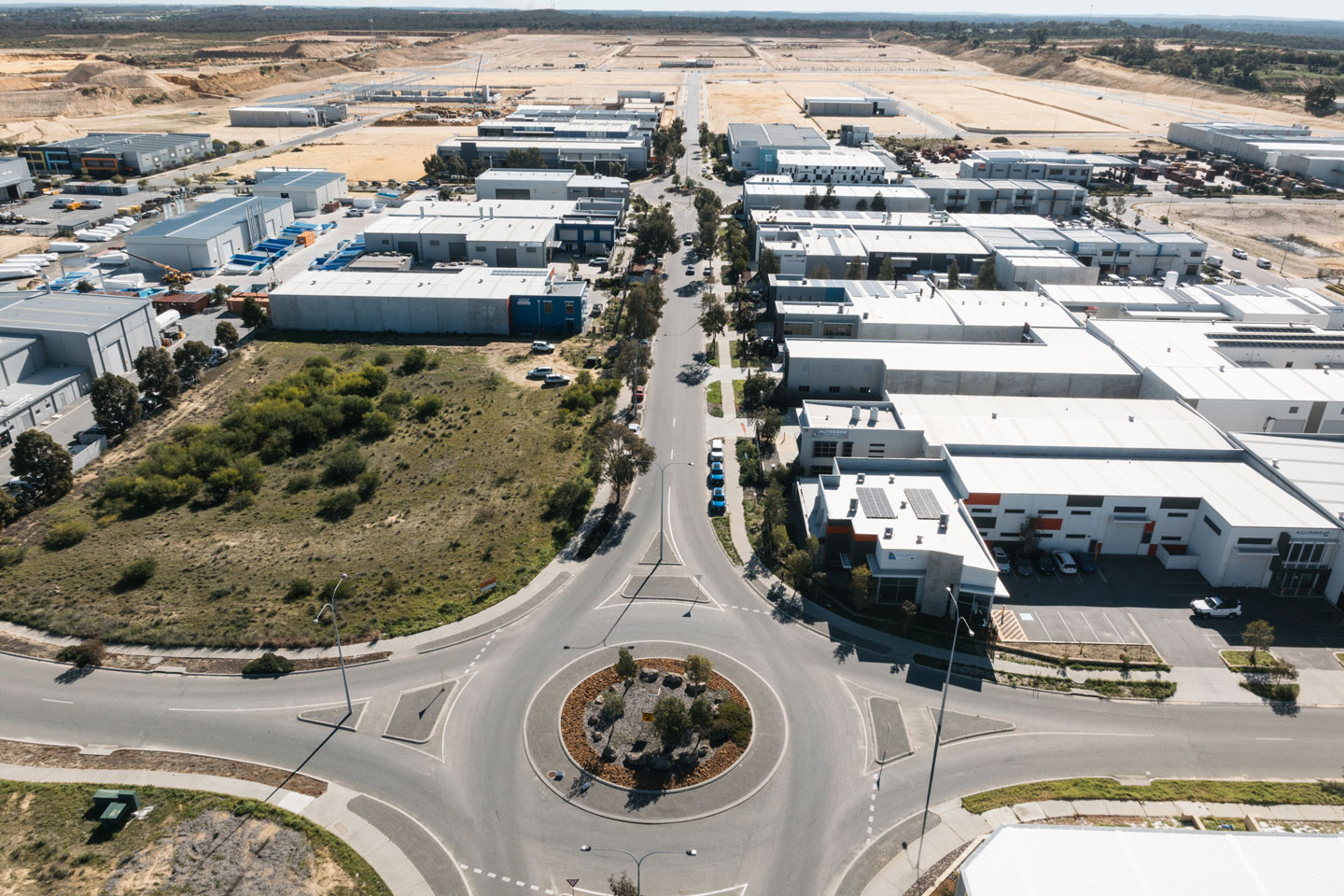
Technology, demographic shifts and the sustainability imperative are reshaping jobs of the future. In this evolving landscape, local governments are increasingly strategic enablers of economic transformation.
Creating jobs close to home builds resilient communities. It improves quality of life, reduces congestion and strengthens local economies. Employment self-sufficiency supports local businesses and more connected, sustainable workforces.
Local governments attract investment, support innovation and advocate for infrastructure, helping create conditions for high-productivity jobs and supporting businesses that will define tomorrows’ economy.
Roads, rates, rubbish… and robots
Research published by MIT Sloan’s Phil Budden and Fiona Murray highlights the importance of location in driving innovation[i]. When talent, technology, investors and entrepreneurs converge, proximity fosters knowledge-sharing, collaboration and support – ingredients for creating sustainable innovation ecosystems and future jobs.
Local governments are uniquely positioned to shape these ecosystems. We unlock industrial and commercial land, invest in infrastructure, collaborate with State agencies and industry and create environments that attract, retain and grow future-focused sectors like automation, clean tech and advanced manufacturing.
The State Government owned Australian Automation and Robotics Precinct (AARP), in Neerabup, is a prime example.
A world-leading collaborative innovation hub, the AARP is Australia’s largest test site for automation and robotics, enabling users to test technology in real-world conditions locally, avoiding operational downtime and reducing costs of transporting equipment to remote areas. Backed by a $28 million WA Government investment, it’s projected to contribute $600 million to the economy by 2030[ii].
Through a three-year Foundation Partner agreement with CORE Innovation Hub, the State Government's appointed operators of the precinct, the City supports activating the AARP in the Neerabup Industrial Area. This secures access to world-class facilities and programs for local businesses and start-ups, supporting diverse, quality local jobs, particularly in professional and technical roles.
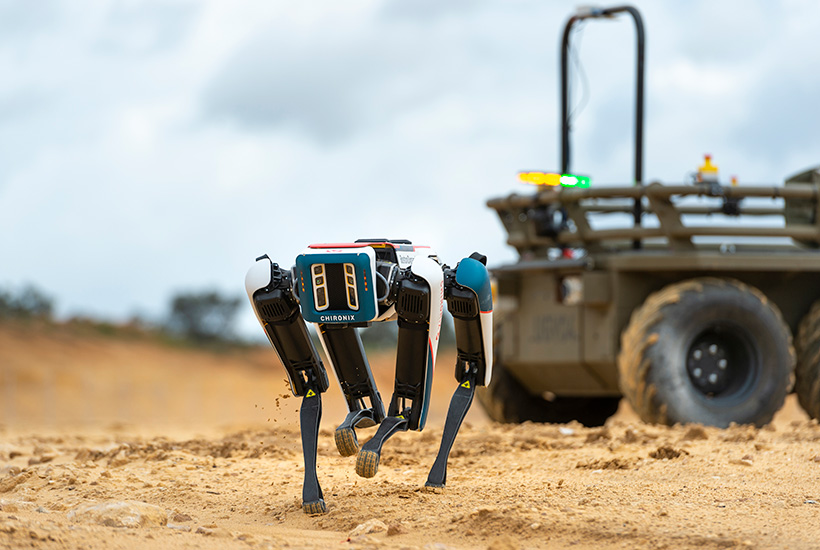
The AARP
Land is the lever for locational legacy
A research brief by The Global Institute on Innovation Districts notes that few levers match the impactful and transformative potential of land, especially when strategically planned and purposefully used[iii]. Land zoning and development directly influence innovation district success and regional economic outcomes.
Unlocking land for long-term economic and employment benefits is an important local government responsibility. The upcoming release of Lot 9100 in Neerabup exemplifies this.
The City will soon invite tenders for the civil engineering component of the development, with purchase and investment opportunities expected in 2026. This land release is designed to maximise local job creation and enable sustainable, employment-generating growth.
Data destination
As AI and automation accelerate, data centres are emerging as critical infrastructure for future jobs, supporting high-performance computing and secure data storage essential in innovation ecosystems.
Land and location are critical enablers.
Austrade posits WA is the “green data centre hub of the future,” thanks to competitive power costs, direct subsea cable connections to Asia and abundant renewable energy[iv].
To meet rising energy demand in Perth’s northern corridor, Western Power is upgrading Neerabup’s 132kV and 330kV terminal, boosting renewable energy flow to the terminal.
The City works closely with government and industry to unlock strategically zoned land to realise this opportunity. Unlike constrained inner-city areas, we offer room to grow.
With affordable land, a growing population and skilled workforce, the City presents a compelling location for data centre investment, particularly in Neerabup and East Wanneroo. Proximity to innovation clusters like the AARP further strengthens our position to support the infrastructure digital industries demand.
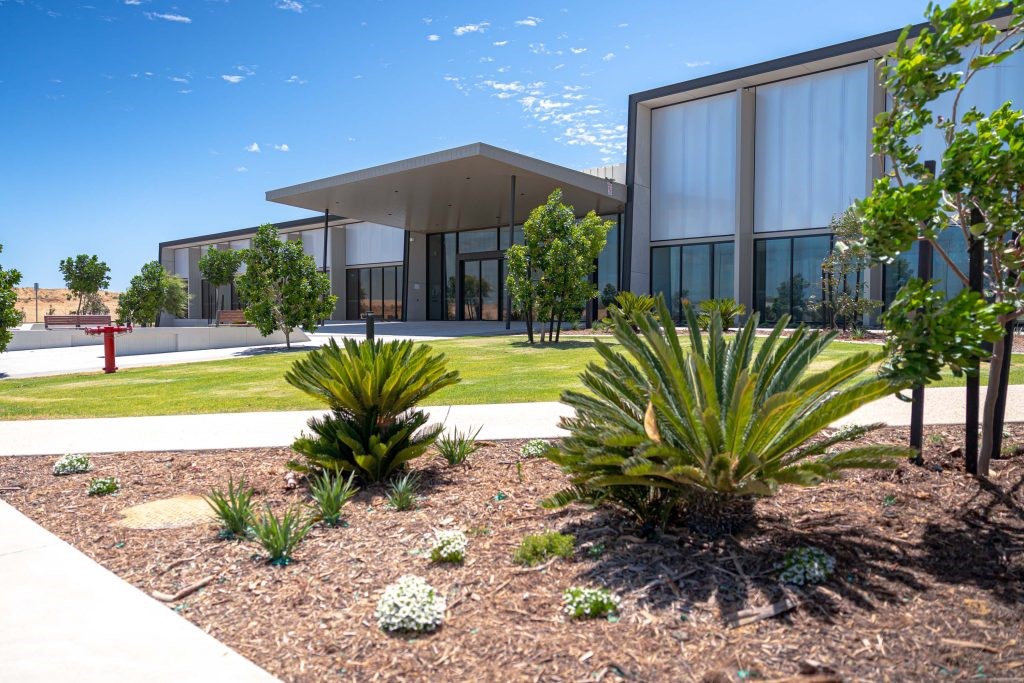
The Australian Automation and Robotics Precinct, Neerabup.
Modelling for local economic leadership
Local governments are increasingly responsible for creating conditions enabling new industries, including championing circular economy principles.
The City embeds this leadership in long-term strategy, including the proposed Resource Recovery Precinct. This precinct, also in Neerabup, will catalyse private investment and innovative waste solutions. Integrating collection, recovery, processing, and value-adding activities, it will transform waste into economic opportunity, supporting job creation and environmental outcomes.
Achieving transformative outcomes requires collaboration across government, industry and private sector[v]. Local governments offer place-based insight and community trust. State and Federal governments provide policy levers and funding. Private investors and technology providers contribute innovation and scalability.
Through coordinated, multi-stakeholder collaboration we can build the infrastructure, ecosystems and workforce capabilities needed for jobs of the future.
To learn more about investment opportunities, visit wanneroo.wa.gov.au/investment
[i]Phil Budden and Fiona E. Murray. What is an innovation ecosystem? (2025). Accessed from https://mitsloan.mit.edu/ideas-made-to-matter/what-innovation-ecosystem.
[iii] Innovation Districts and the Centrality of Land, Research Brief 2 (2024). Accessed from https://giid.org/app/uploads/2024/04/GIID_Innovation-Districts-and-the-Centrality-of-Land-2024.pdf, page 2.
[iv] Australian Government – Australian Trade and Investment Commission (2024). Australia: APAC’s rising regional hub for green data centres. Accessed from https://international.austrade.gov.au/en/news-and-analysis/news/australia-apacs-rising-regional-hub-for-green-data-centres.
[v] Sam Grayling and Till Leopold. Jobs of Tomorrow: Technology and the Future of the World’s Largest Workforce Whitepaper (October 2025). World Economic Forum. Accessed from https://reports.weforum.org/docs/WEF_Jobs_of_Tomorrow_Technology_and_the_Future_of_the_Worlds_Largest_Workforces_2025.pdf, page 14.


