



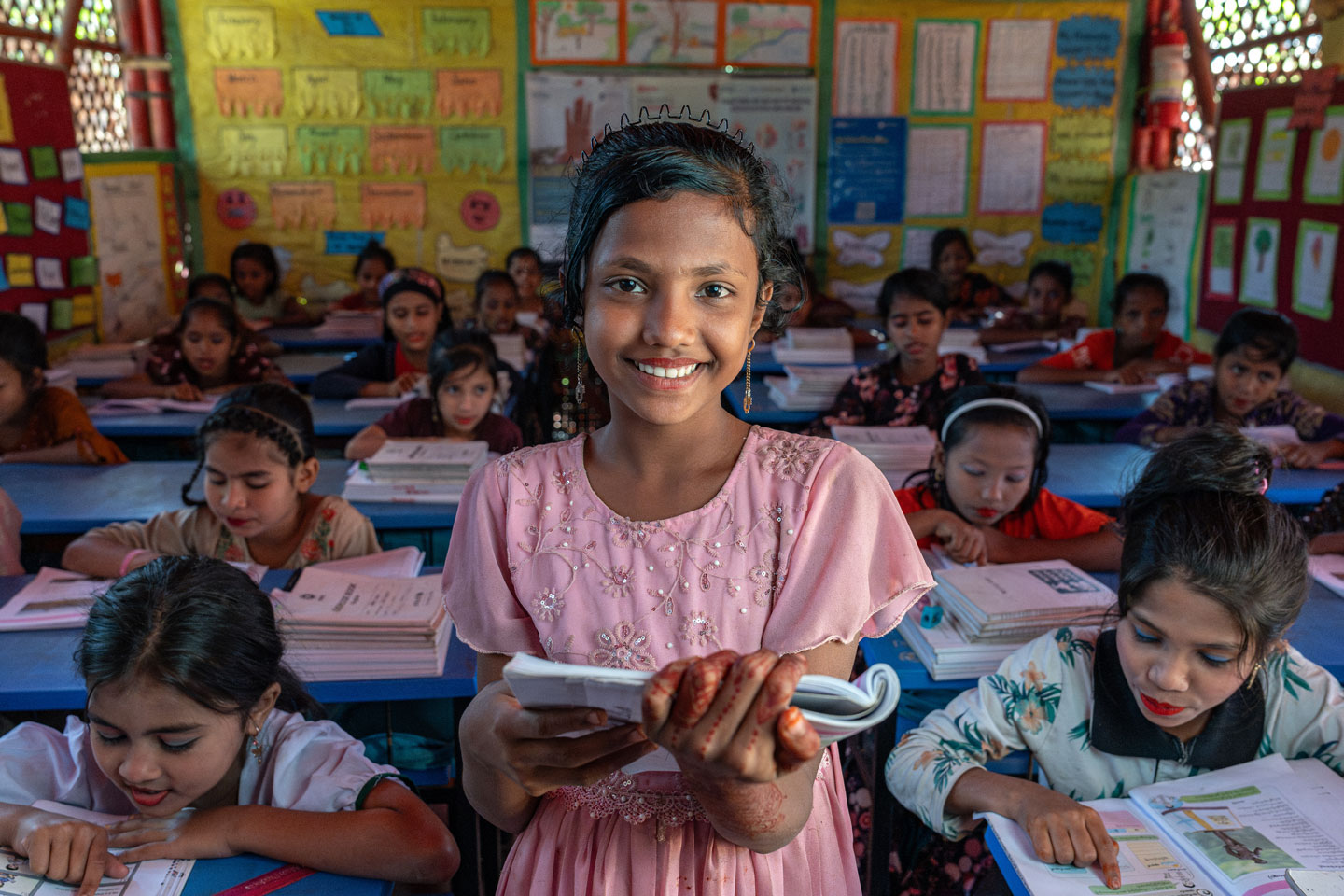
Over the next two decades, Australia is expected to hand down a $5.4 trillion intergenerational wealth transfer, with women forecast to control the vast majority of that wealth.
As that shift unfolds, giving is evolving too, with many women approaching philanthropy with a greater emphasis on participation, relationships and long-term impact, rather than transactional donations.
This is helping drive investment in initiatives that seek to improve girls’ education, economic engagement, leadership and gender equality.
For incoming UNICEF regional director for Asia Pacific Sanjay Wijesekera, investing in adolescent girls represents a significant opportunity to create lasting social and economic change.
“It is both the right thing to do and one of the smartest investments a country can make,” he said.
"When a girl stays in school, is protected from violence and child marriage, has access to health services and develops skills for the future, the benefits extend far beyond her own life. She is more likely to earn an income, participate in decisions, raise healthier children and contribute to her country’s economy.”
Research cited by UNICEF shows investing just US$1.53 a day per girl to achieve universal secondary education could increase developing countries’ GDP by around 10 per cent by 2030.
For Mr Wijesekera, the case goes beyond economics and is vital with 119 million girls out of school globally.
“It is also about recognising what girls are already doing. I meet girls who are leading change in their communities every day,” he said.
“The question is not whether girls have potential, it’s whether we are willing to invest in that potential and remove the barriers holding them back.”
Minderoo Foundation executive director of effective philanthropy and Philanthropy Australia board member Kristen Stevenson said sustained, long-term investment in girl- and women-led programs is “paramount because meaningful progress on gender equality does not happen overnight”.
“Their lived experience, local knowledge and deep community connections help ensure programs are more informed, locally grounded and more likely to achieve lasting outcomes,” she said.
Theá Advisory founder and chief executive Bree Fraser said lived experience is also a powerful driver of giving, with many women drawn to causes they have seen or felt closely, whether personally, through family, or within their communities.
“Women often approach philanthropy in a deeply values-led and relational way,” she said.
“They are seeking authentic partnerships where they can understand the impact of their giving and contribute meaningfully beyond funding, including through networks, experience and advocacy. Trust is central, it is what supports deeper, longer-term philanthropic partnerships.”
The trend is being seen across Australia. The She Gives initiative, launched in partnership with the Centre for Social Impact at the University of Western Australia, highlights the growing role of women in charitable giving and social change. Research through the initiative found almost 60 per cent of women engaged in the She Gives network intend to increase their giving in the next financial year, while more than a quarter of women surveyed nationally also expect to increase their contributions.
UNICEF’s approach reflects the shift, partnering with women-led, youth-led and girl-led organisations while working with governments to deliver impact at scale.
“We partner with organisations that understand the realities girls face and are often the most trusted voices in their communities,” Mr Wijesekera said.
“At the same time, we work with governments to strengthen systems so that support reaches millions of girls, not just a few thousand through individual projects.”
This model underpins UNICEF’s Adolescent Girls Accelerator Strategy, which includes a commitment that 10 per cent of resources – entirely donor-funded – are directed to girls’ and women’s organisations. A Global Girl Leaders Advisory Group also informs UNICEF’s own priorities, providing feedback from the perspective of girls themselves.
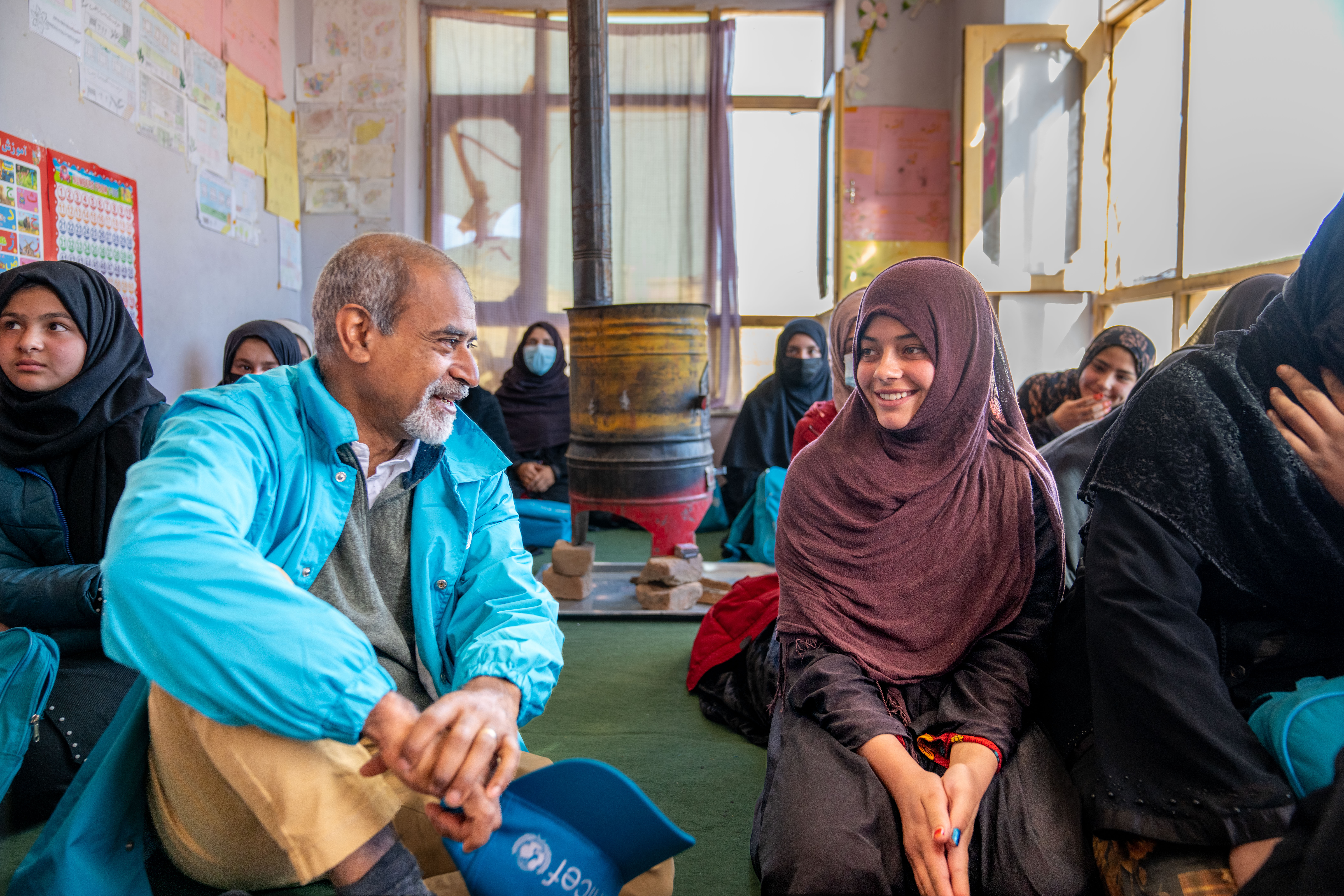
Incoming UNICEF regional director for Asia Pacific Sanjay Wijesekera visits a UNICEFsupported community-based education class in Afghanistan. Photo: ©UNICEF/UNI574234/Karimi
A strong example is Power4Girls, co-led by UNICEF in collaboration with grassroots fund Purposeful, it combines large-scale investment with direct support for girl-led movements and organisations. In its first year, Power4Girls has reached more than 5 million girls and community members across 22 countries. It is helping to expand access to education, skills, economic opportunities and services, while also tackling the underlying causes of gender inequality.
“But real success isn’t the numbers,” Mr Wijesekera said. “It’s that girls are being recognised as leaders, experts and partners.
“That’s the future we’re trying to build – not programs for girls, but progress led with girls.”
The growing focus on participation and leadership was a defining theme at Women Deliver 2026 in Melbourne, which brought together almost 6,000 delegates from 189 countries, including politicians, philanthropists and community advocates.
Mr Wijesekera, who was among the conference speakers, said one of the most insightful moments came from a young advocate named Tanya, who told delegates: “Representation is not participation, and participation is not power.”
“That insight captures the shift we need to make – from giving girls a seat in the room to ensuring they have a voice that is heard and the power to shape decisions,” he said.
For UNICEF Australia senior partnerships manager Nicolette Casella, hearing directly from girls and young women was one of the most powerful aspects of the conference.
“They spoke with incredible strength and conviction about their lived experience, showing that when empowered, they are an incredible force for change,” she said.
“Adolescent girls are driving change but ensuring they reach their full potential depends on long-term partnerships and the growing influence of women in philanthropy.”
Ms Stevenson said the shift reflects a broader evolution already underway.
“There’s a growing appetite for participatory philanthropy, where listening, learning and long-term commitment matter as much as the dollar amount,” she said.
With women set to inherit about 65 per cent of the $5.4 trillion intergenerational wealth transfer in Australia, she added that giving is “fast becoming an extension of their values and identity, not just about wealth distribution”.
Ms Casella said she had also seen growing engagement from female philanthropists and their families.
“At UNICEF, I have had the privilege of collaborating with many inspiring and highly engaged female philanthropists in Western Australia, and in some cases, have worked closely with their children, who have been involved every step of the way,” she said.
“I am endlessly impressed by how engaged the next generation is, and community-led solutions make so much sense to them.”
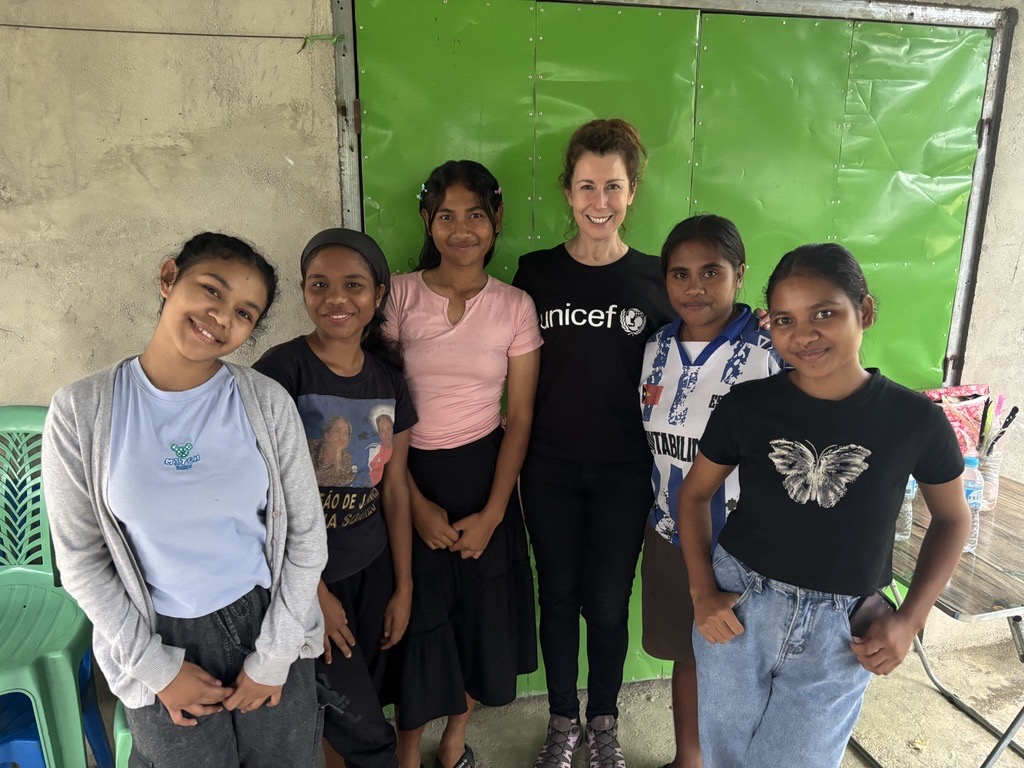
UNICEF Australia’s senior partnerships manager Nicolette Casella with participants in a UNICEF-supported Girls Empowerment program in Timor-Leste. Photo: ©UNICEF Australia/2025
For more information, please contact Perth-based UNICEF Australia senior partnerships manager Nicolette Casella at ncasella@unicef.org.au or read more here: Philanthropy UNICEF Australia

