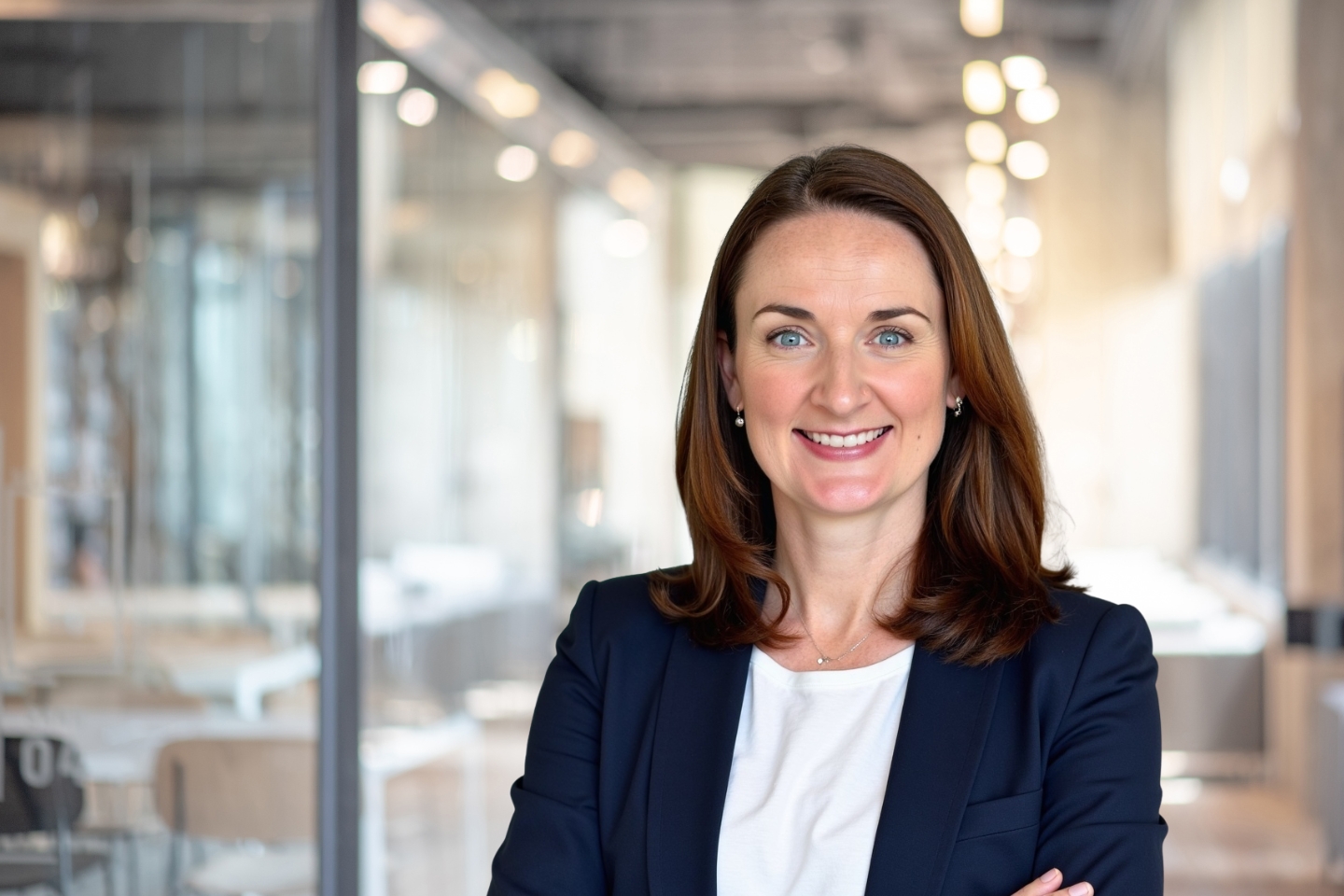
In boardrooms across Australia, a quiet shift is reshaping executive strategy. As artificial intelligence, cybersecurity and digital transformation become core to business performance, companies face a new dilemma, they need senior technology leadership, but not always on a full-time basis.
Few understand this transformation better than Ursula and Kim Phillips, co-founders of Batea Advisory, a Perth-based firm specialising in fractional leadership. Together they bring more than forty years of combined experience guiding companies large and small through complex digital change.
“Just because you can’t afford a CIO doesn’t mean you don’t need one,” Ursula Phillips says.
With more than twenty years in technology and transformation, Phillips has held CIO and CTO roles with PepsiCo, Real Pet Food, Minderoo Foundation and Tattarang. Three times recognised in the CIO50 , Australia’s Most Innovative CIOs and now a judge for the awards, she has led programs across consumer goods, mining, energy, property, retail and transport. A graduate of the Australian Institute of Company Directors (AICD) and IECL-certified coach, she also serves as an Independent Non-Executive Director at Black Rock Mining (ASX: BKT).
According to the latest Watermark Survey, interim leadership has become the new normal, with 64% of executives Surveyed, now working in temporary or fractional capacities which is a significant jump from 50% in 2024. Notably, almost one-third (31%) of these interim appointments are being deployed specifically to lead transformational initiatives, signalling a clear shift in how organisations are resourcing change and capability at the highest levels
“The model gives organisations a third lever allocation,” Phillips explains. “It avoids the trade-off between capability and affordability.”
One client that can attest to the impact of this model is Country Road Group. CIO Phil Lewis who reflected on the engagement, noting that “Ursula stepped in at a critical time allowing us to progress a significant deal ahead of my arrival. Her experience and leadership gave the team confidence to complete the agreement and achieve a successful outcome.”
The logic is hard to ignore. Hiring a permanent CIO can exceed A$350,000 a year, while the need for that level of engagement may fluctuate. Fractional leaders provide high-value guidance on a retained, part-time basis, whilst being able to scale up allocation during major transitions, such as acquisitions.
According to the Fractional Executive Playbook, the rise of fractional leadership reflects a structural shift in how organisations access senior talent.
Cost discipline is pushing boards to reduce executive overhead without losing strategic capability. The normalisation of hybrid work has made it seamless to share leaders across multiple companies. Chronic shortages in areas like cybersecurity and AI strategy mean fractional access is now the only viable path to senior expertise for many organisations.
Together, these forces confirm that fractional leadership is no longer a stop-gap solution but rather the new operating model for strategic capability.
Many organisations still place IT responsibility under the CFO or COO, leaving technology decisions influenced by operational priorities rather than strategic ones.
“When that happens, IT becomes an order taker,” Phillips says. “Vendors step in as trusted advisers, organisations lose control of their own direction, and with it competitive advantage.”
Fractional CIOs bring a broader perspective to governance, helping boards navigate vendor relationships, cyber risk and digital investment. “Bringing in a fractional leader adds a level of challenge and objectivity that’s often hard to achieve internally. It’s about introducing experience without bias , someone who can ask the right questions, test assumptions and hold the leadership team accountable in a constructive way. Organisations gain not just senior-level capability, but also access to the kind of perspective that drives better decisions and stronger outcomes.”
At Batea Advisory, each engagement begins with a discussion of needs. From there, an engagement can be scoped to fit the company’s scale and pace of transformation.
“There’s growing pressure to stay lean,” Phillips says. “People need capability but want flexibility. They want a model that can grow and shift with them. The fractional model does this.”
For many organisations this approach represents not just cost efficiency, but cultural evolution. It reflects a shift from static hierarchies to agile structures that can expand or contract with business cycles.
For boards considering the model, Phillips offers straightforward advice: try it. “Even a few days a month can make a measurable difference,” she says.
The benefits are tangible ; stronger governance, improved cyber resilience, clearer investment decisions and greater alignment between technology and business strategy.
“The organisations that adopt fractional leadership early will gain the capacity and capability to lead through disruption,” Phillips says. “Those that wait risk being left behind.”
As the global AI economy moves toward an expected A$20 trillion by 2030 and Australia finalises its National AI Strategy, the way companies access senior expertise will continue to evolve.
In this environment, the future of leadership may no longer be defined by headcount, but by impact. And for many boards, that impact begins with the decision to think fractionally.






 01 Oct 2024