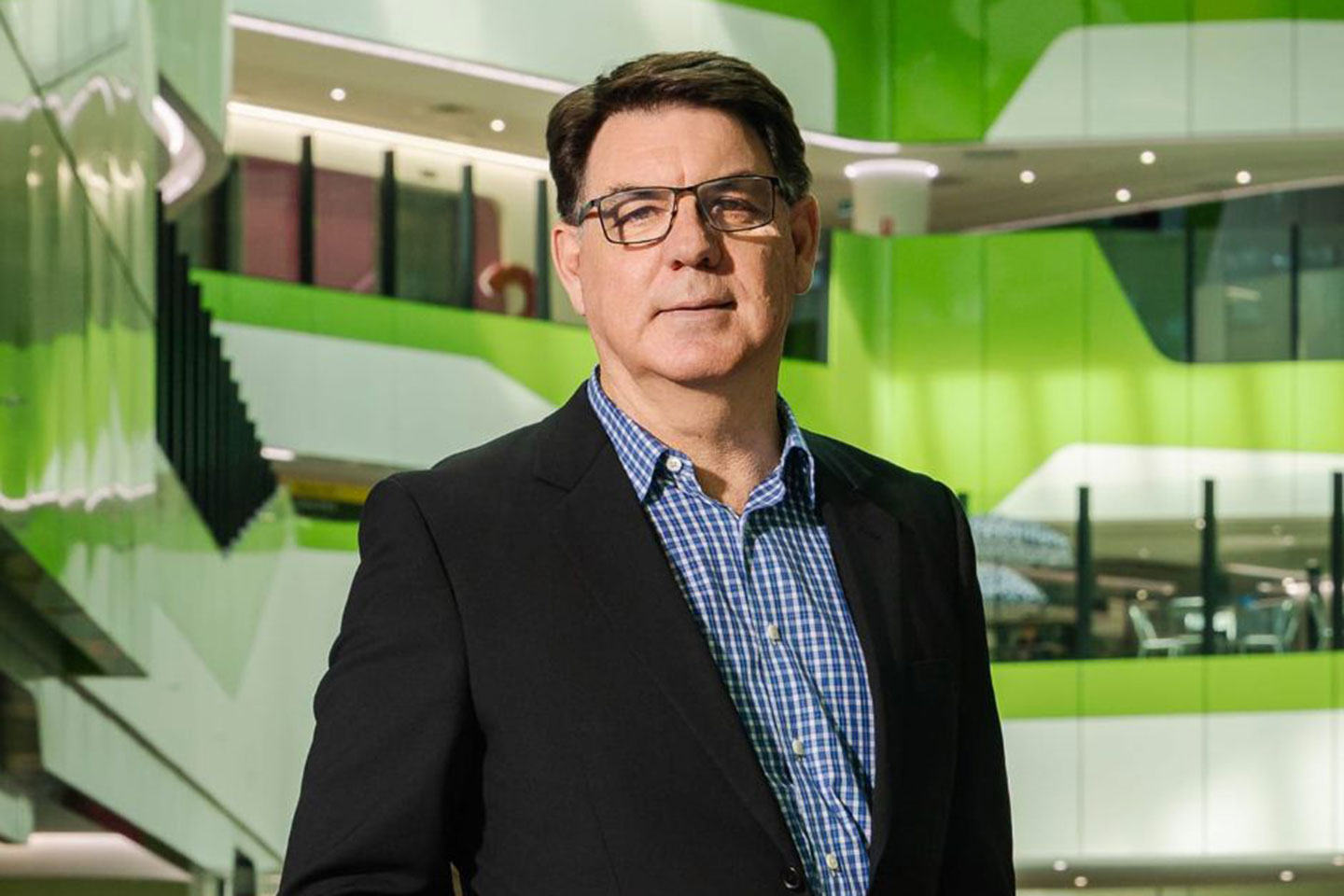
In the corridors of Perth Children’s Hospital, progress is rarely dramatic. It is incremental, measured in quieter victories , a diagnosis delivered earlier, a rehabilitation session that restores movement, a young doctor equipped with skills that will shape decades of care. For Carrick Robinson, Chief Executive Officer of the Perth Children’s Hospital Foundation, these are the true indicators of success.
The Perth Children’s Hospital Foundation (PCHF) is the only charity solely dedicated to supporting Perth Children’s Hospital. The Foundation has one focus, one mission: to help drive lasting improvements in paediatric healthcare so WA’s sickest kids, from every corner of the state, can get well and stay well.
Its remit is both strategic and deeply human to raise funds that ensure Western Australian children continue to receive world-class paediatric care close to home. That support extends across five core pillars: advanced equipment and technology, medical research, clinical expertise, education and training, and initiatives that improve the patient and family experience.
While the Foundation has contributed more than $100 million since its inception, Robinson is careful to redirect the conversation away from figures. “The number itself isn’t what matters,” he reflects. “What matters is what that funding translates into, better diagnostics, stronger clinical teams and a hospital that can keep pace with the best in the world.”
Robinson’s pathway into the role is rooted less in healthcare than in purpose-driven leadership. His early career in marketing and behavioural change campaigns exposed him to projects aimed at influencing public safety and saving lives. Over time, invitations to join several not-for-profit boards provided what he describes as “a fascinating insight into the challenges and the extraordinary commitment within organisations that exist purely to serve others.” The common thread, he says, was impact. “I realised I was drawn to work that had meaning beyond commercial success. These organisations play critical roles in society, and I wanted to contribute to that.”
That philosophy now underpins the Foundation’s operational approach. PCHF works in close partnership with clinicians and researchers inside the hospital to identify immediate priorities and long-term needs. The emphasis is on translational outcomes, funding that moves directly from concept to clinical benefit.
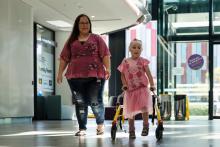
Equipment investments follow the same principle. Among the most striking examples is a zero-gravity rehabilitation system integrated into the hospital’s specialist rehabilitation department. Designed for children suffering from Cerebral Palsy or recovering from brain and spinal injuries, the system allows them to relearn fundamental movements in a supported environment that reduces physical strain. “When you watch a child take steps they couldn’t take weeks earlier, you understand exactly why this work matters,” Robinson says. “It’s life changing.”
Similarly, philanthropic support for glucose monitoring pumps has enhanced daily stability for children living with diabetes, easing both medical and emotional pressures on families. These interventions are not merely upgrades; they significantly change quality of life for the better. “Impact, for us, is outcome-driven,” Robinson notes. “It’s about speed to improvement, accuracy in diagnosis and access to care that wasn’t previously available.”
The Foundation’s reach extends beyond technology into workforce development. Fellowships and training programs help emerging clinicians build specialist expertise and remain within Western Australia’s health system. “When we support young doctors, we’re investing in the future of care,” Robinson explains. “The benefit isn’t just immediate; it compounds over time.”
One of the most visible manifestations of the Foundation’s mission is the Sandcastles Children’s Hospice, a $37 million capital project realised through coordinated donor and community support in just two and a half years. Approaching completion, it will become Australia’s fourth dedicated children’s hospice, offering families a level of compassionate care previously unavailable in the state. “For many families, this creates a choice they never had before,” Robinson says.
Yet the challenges confronting paediatric healthcare continue to intensify. Western Australia’s rapid population growth has introduced greater diversity in disease profiles and increasing clinical complexity. Rising rates of eating disorders, often linked to the pressures of social media have added further strain to hospital resources. Federal research funding gaps remain, leaving critical studies dependent on philanthropic intervention. Positioned within the hospital environment, the Foundation is able to respond with immediacy. “Being embedded allows us to hear directly from clinicians,” Robinson explains. “We can act quickly on what matters most.”
Looking ahead, Robinson’s priorities centre on expanding the Foundation’s reach while preserving its core principle of partnership. “We want long-term relationships,” he says. “Whether it’s corporate Western Australia, professional philanthropy or families giving what they can, the strength of our impact comes from collaboration.” Community involvement, he emphasises, is not limited to large donations. Workplace giving, volunteering, advocacy and legacy gifts all play a role in sustaining progress. “Every contribution is part of a bigger story,” he adds. “Western Australians have a strong belief that our children deserve the very best care and that belief drives everything we do.”
In a sector often defined by budgets and constraints, the Perth Children’s Hospital Foundation operates on a different currency, possibility. Under Carrick Robinson’s leadership, its success is measured not by the scale of funds raised, but by the scale of futures restored.