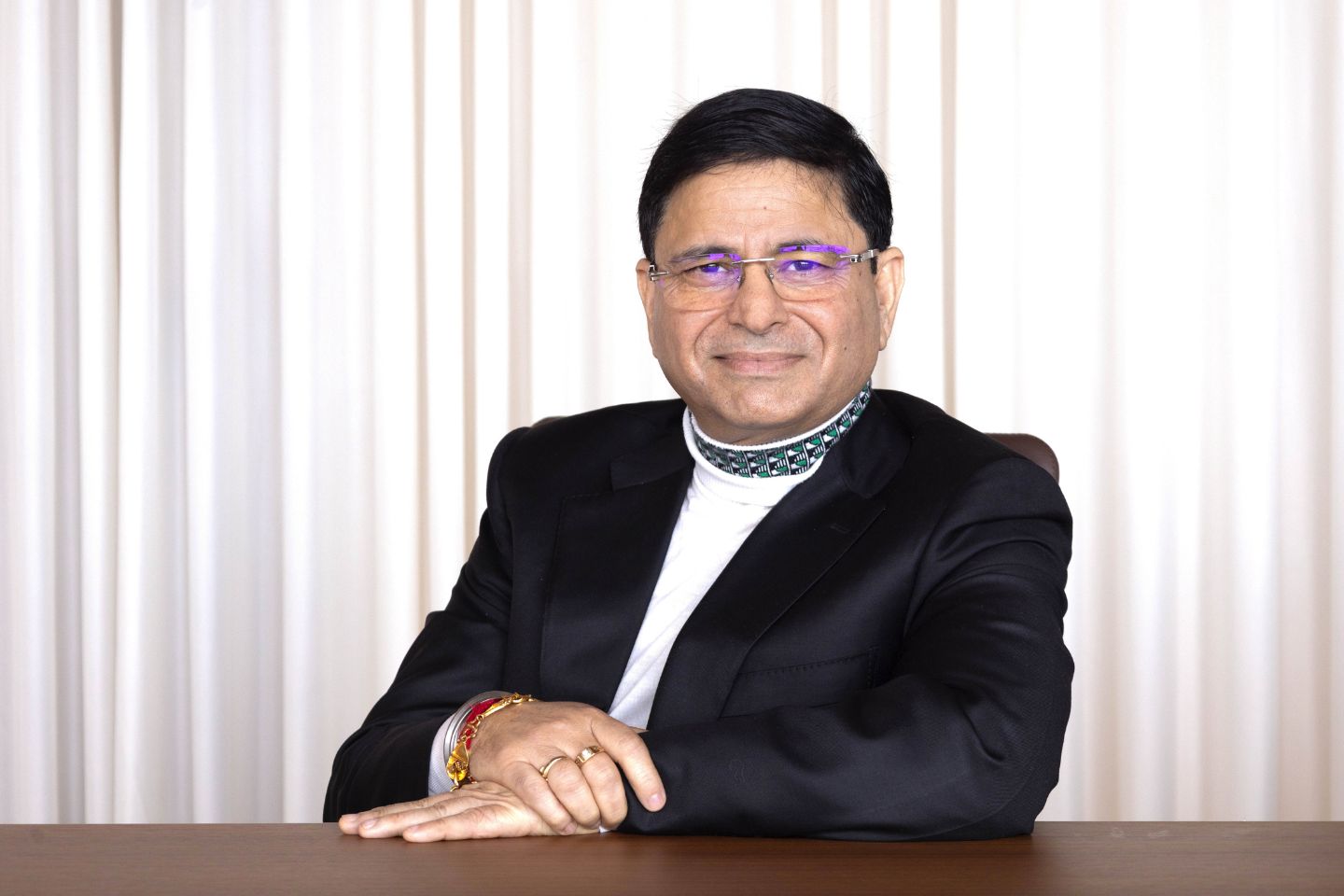
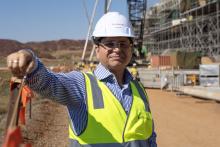
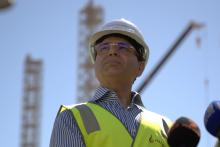
Vikas Rambal speaks of his Project Ceres as game-changer for Australia; a piece of infrastructure so important it has the capacity to alter the trajectory of the nation’s future.
The headlines about the project in the Pilbara focus on its end output: 2.3 million tonnes per annum of urea (a key agricultural input), making it the biggest plant in Australia and one that has global scale.
But Mr Rambal believes the facility his company, Perdaman, is building is much more than that.
The scale and complexity of the project, as well as the key products at various stages in the manufacturing process – hydrogen and ammonia – make Project Ceres a proving ground for hundreds of highly skilled people at the vanguard of renewable energy.
It also has land in the Maitland industrial area, near the Burrup Peninsula, to support its plan to construct a 100-megawatt solar power facility, backed up by a proposed full synchronisation between renewable and gas-powered electricity generation.
“I am producing hydrogen and ammonia. Young kids will be trained on this project,” Mr Rambal told Business News.
“I am building a new skill set for Australia and future young engineers.
“Perdaman will become the biggest manufacturing story of this country for years to come.
“The biggest Southern Hemisphere chemical manufacturer, that is my dream.”
Mr Rambal said the template for Australia was found in the industrial development of countries such as Japan, India and Singapore, where investment in industry led to a rising skills base and generated significant wealth for those nations.
“We have to create a human resource. This industry can’t run on AI,” he said, highlighting the risks associated with complex manufacturing, especially chemicals such as hydrogen and ammonia.
“Unless your young generation is ready for the future, that society will pay in the long run.
“And unless you have industry, you can’t grow skills.”
Many of the skills Project Ceres needs when it starts production will need to come from overseas, and it is those people who will train a domestic workforce.
Mr Rambal points to his own experience as a defining element in the project, having learned transferrable skills in big projects in his native India.
“This country gives you a fair go,” Mr Rambal said.
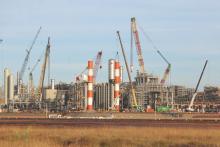
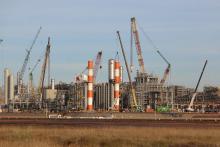
Sitting on a 100-hectare site on the Burrup Peninsula, next door to the operating Yara Fertilisers ammonia plant Mr Rambal helped build, the $6.3 billion Project Ceres is about 60 per cent complete and running on schedule.
With 45 per cent of the project acquired for $2.1 billion by private equity giant Global Infrastructure Partners in 2023, the project is now thought to have an enterprise value of between $7.5 billion and $8 billion.
Throw in Mr Rambal’s offshore interests in India, and a domestic property portfolio focused on shopping centres, and it is thought he is worth about $4.85 billion.
While Mr Rambal doesn’t discuss his personal circumstances, he is more than keen to highlight the factors that could make Project Ceres worth a lot more.
Firstly, there is the obvious value of urea: a fertiliser vital to farming around the world. Project Ceres will produce about as much as Australia needs, so it technically makes the nation self-sufficient in the vital input.
However, Mr Rambal prefers to look at the mechanics of his project’s early establishment to underscore where the real value may lie.
For instance, feedstock is gas from Woodside under a 20-year agreement and there is a 20-year offtake agreement for the urea with Incitec Pivot.
The Woodside deal was struck in 2018 when gas prices were low and the future of domestic fossil fuel supplies was less questionable than today. It is understood the contract period, for 125 terajoules of natural gas per day, has considerable flexibility for the user.
And it is also worth highlighting the approvals required to build such a facility.
The extensive land envelope (including logistics corridors for port access and electricity supply), the emissions from production and heritage approvals in what has proved a sensitive area, would, arguably be impossible to replicate these days.
At the very least such a project would come a significantly higher cost than what Perdaman expects to pay, Mr Rambal said.