For most Western Australians, this week will pass much like any other.
They'll head to work, take the kids to school, worry about rising grocery bills, rising mortgage repayments or another rent increase, before returning home at the end of the day.
For thousands of others, there is no certainty of returning home.
Instead, this week will be spent searching for somewhere safe to sleep, stretching the last few dollars to cover food or fuel, staying with friends, living in a car, or hoping that crisis accommodation becomes available.
That is the reality behind Homelessness Week.
For many, it is an annual awareness campaign. For thousands of Western Australians, it is simply another week of navigating one of the most difficult periods of their lives.
The conversation around homelessness has changed dramatically over the past decade. Once largely associated with rough sleeping, homelessness today is increasingly driven by a combination of rising housing costs, financial pressure, family and domestic violence, mental ill-health and a chronic shortage of affordable housing.
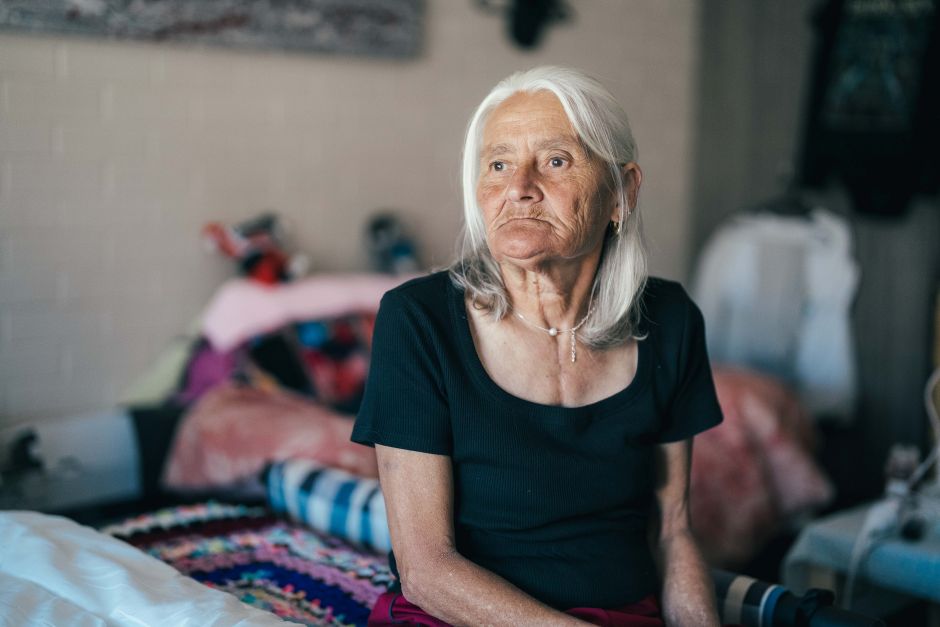
It is no longer an issue affecting only society's most vulnerable. Increasingly, it is affecting people who are working, studying, raising families and contributing to their communities.
Western Australia sits at the centre of this growing challenge.
According to the most recent Census, more than 9,700 Western Australians are experiencing homelessness, an increase on previous years, while more than 2,300 people are sleeping rough across the state. Today, Western Australia records the highest rate of rough sleeping per capita in Australia, with around 24 per cent of people experiencing homelessness sleeping rough, compared with approximately six per cent nationally.
At the same time, almost 20,000 households remain on the waiting list for social housing, while demand for homelessness services continues to outpace available resources. Every day, almost 100 requests for homelessness support in Western Australia go unmet because services simply do not have the capacity to assist everyone seeking help.
The pressures driving those numbers continue to grow.
Rental prices across Western Australia have increased dramatically over recent years, significantly outpacing wage growth. For many households, the rising cost of rent is compounded by increasing grocery prices, electricity bills, insurance premiums and transport costs. What may begin as financial stress can quickly become housing insecurity.
Alex Hughes, CEO of No Place for Poverty, says secure housing remains the foundation upon which every other aspect of life is built.
"Everyone deserves a safe, stable home. It is the foundation for our health, our relationships, our sense of belonging, and our ability to participate fully in our community."
He says homelessness can affect anyone, but disproportionately impacts people already facing structural barriers, including single mothers and women over 55, one of the fastest-growing groups experiencing homelessness and poverty.
"The scale of the challenge is increasing," Hughes says.
"These are not just statistics. They are our neighbours, friends, workmates and members of our community."
He believes addressing the crisis will require sustained long-term investment in social and affordable housing, with many housing experts suggesting around ten per cent of Australia's housing stock should be dedicated to social and affordable housing if demand is to be met.
Yet housing is only one part of a much larger picture.
Ben Smith, CEO of Holyoake, says homelessness rarely occurs in isolation.
"Our award-winning RISE program demonstrates that family and domestic violence, alcohol and other drug use, mental ill health, and homelessness are often deeply interconnected issues," he says.
"We regularly work alongside people whose experiences of violence are compounded by substance use, trauma and a lack of safe and stable housing."
His comments reflect what frontline organisations across Western Australia continue to witness: homelessness is often the result of multiple challenges occurring simultaneously rather than a single life event.
Nick Mathieson, Housing Coordinator for South West Metro and Peel, agrees.
"Homelessness is more than the absence of housing," he says.
"It is often the culmination of trauma, poor health, addiction, financial hardship, family breakdown and social isolation."
While providing safe accommodation remains essential, Mathieson believes lasting outcomes require investment in education, employment, wellbeing and community connection so people can rebuild meaningful and independent lives.
The changing face of homelessness is also evident at Vinnies WA.
Director of Specialist Community Services Chrissie Smith says the organisation is supporting an increasing number of women and children escaping family and domestic violence, more young people, more struggling families and, increasingly, people who never expected to need assistance.
"The face of homelessness is certainly evolving. We're seeing more women and children fleeing domestic violence, more struggling families and more people who are working who are turning to us for help for the first time."
The organisation's own figures tell a similar story.
Women accessing Tom Fisher House were 16 times more likely to require crisis accommodation because of family and domestic violence, while 46 per cent of young people accessing Passages Youth Engagement Hubs were girls or young women experiencing homelessness.
For children, the impact often extends far beyond housing.
Chris Chatterton, CEO of Variety WA, says housing insecurity can disrupt education, affect physical and mental health and significantly reduce opportunities later in life.
"No single organisation can solve these complex challenges alone," he says.
"By working together, we can ensure children experiencing disadvantage continue to access the equipment, education, opportunities and support they need regardless of the circumstances they face."
The cost-of-living crisis is also placing unprecedented pressure on food relief services.
Kate O'Hara, CEO of Foodbank WA, says housing affordability and food insecurity have become inseparable.
"Every day, we see people doing everything right working hard, paying their bills and contributing to their communities yet still struggling to make ends meet."
"When rents rise faster than incomes and household budgets are stretched beyond their limits, food is often the first thing to be sacrificed."
It is a reality that Foodbank WA sees every day as more working families seek assistance simply to put food on the table while keeping a roof over their heads.
Homelessness Week is an opportunity to acknowledge these realities, not simply by recognising the thousands of Western Australians currently experiencing homelessness, but by recognising the growing number living one unexpected setback away from it.
It is also an opportunity to acknowledge the organisations working tirelessly every day to provide crisis accommodation, food relief, domestic violence services, youth support, mental health care and pathways back to independence.
While there is no single solution, there is growing agreement across the sector that addressing homelessness requires more affordable housing, greater investment in prevention, stronger support services and continued collaboration between government, business and the not-for-profit sector.
Because behind every statistic is a person.
And behind every person is a story that reminds us homelessness is not simply a housing issue , It is a reflection of the economic, social and human challenges facing Western Australia today.