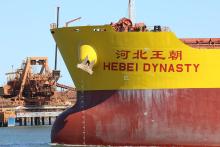
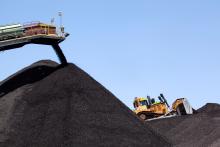
The Pilbara has long been the powerhouse of Australia’s iron ore industry, underpinning Western Australia’s economy for decades. The state produces 99 per cent of Australia’s iron ore exports, worth $116 billion last year.
As the world’s largest iron ore exporter, supplying almost 55 per cent of global trade, Australia’s challenge is no longer simply extracting and exporting more ore.
With global markets shifting and steelmakers pursuing lower-emissions production, the next phase of the industry will be about creating more value from those resources before they leave Australian shores.
China’s push to decarbonise steelmaking is increasing demand for higher-grade iron ore, while a slowdown in its property sector is weighing on domestic demand. As Australia’s largest export market, those changes carry significant implications for our resources sector.
Those questions framed the discussion at Business News’ From Ore to Opportunity: The Path to a Green Industry breakfast, presented in partnership with the Chamber of Minerals and Energy WA at Crown Metropol Perth on July 17.
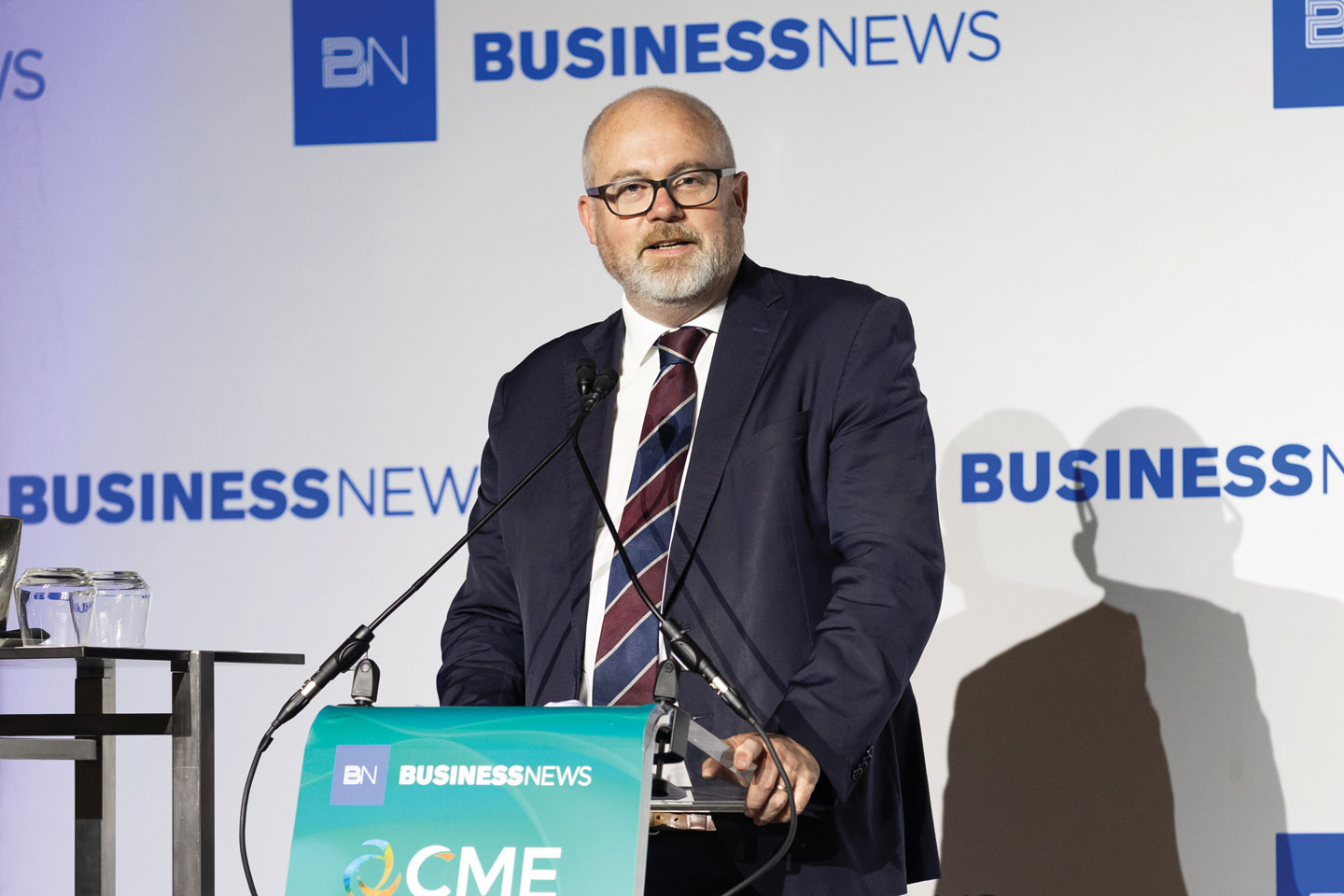
In an opening address, Industry and Innovation Minister Senator Tim Ayres said Australia had a significant opportunity to build on the resources sector’s success by moving further up the value chain.
“Our task is to protect the value of our resources – to move further up the value chain and build the low-emissions metals capability the world is going to need,” he said.
Accenture research estimates Australia’s low-emissions iron opportunity could be worth more than $122 billion in annual export revenue by 2040, with countries including Japan and South Korea expected to seek reliable supplies of lower-emissions iron and steel products.
To help position Australia for that opportunity, the federal government has committed more than $5 billion to support the nation’s metals industries, including the $1 billion Green Iron Investment Fund and the Future Made in Australia Innovation Fund, which includes $750 million for green metals pilot and demonstration projects.
“Future Made in Australia is about adding value to and protecting the wealth generated from our commodities – in the face of fierce competition for control over supply chains – and to shape a stronger Australia with a more resilient economy,” Senator Ayres said.
The government is also seeking to streamline major investment pathways through its Investor Front Door initiative, designed to bring project facilitation functions together to accelerate nationally significant projects.
Senator Ayres pointed to Alcoa’s gallium processing plant at its existing Wagerup alumina refinery as an example of the type of industrial capability Australia is seeking to develop. The project reached a final investment decision during the same week as the event and is expected to produce about 10 per cent of the world’s gallium supply while supporting decades of jobs and investment.
Chamber of Minerals and Energy WA chief executive Aaron Morey said industry welcomed the federal government’s collaborative approach as it worked through the transition.
“We found government to be open, to be listening and to be collaborating,” Mr Morey said.
Mr Morey said maintaining policy certainty and investor confidence would be critical if Australia was to capitalise on the opportunity.
But policy alone will not be enough. Realising that opportunity will also depend on the energy and infrastructure needed to support new industries.
Fortescue chief executive Dino Otranto said the miner had deliberately built renewable energy capacity in the Pilbara beyond its current operational requirements.
“We’ve built a massive grid of nearly 1,000 kilometres, with a couple of gigawatts of power. We’ve invested in that grid to have more than we need,” Mr Otranto said.
That surplus capacity could support industries beyond mining.
“We see the fact that we can probably use that electricity ourselves to create a lot of downstream products in metals, ammonia and hydrogen,” he said.
BlueScope general manager NeoSmelt and head of future technologies Chris Page said collaboration across the supply chain would also be essential to developing commercially viable lower-emissions ironmaking.
“We’ve got partners across the value chain – steelmakers, miners and energy companies – trying to solve that problem together,” Mr Page said.
Western Australia already has globally significant iron ore resources, deep operational expertise, established export infrastructure and growing renewable energy capability.
The challenge now is to convert those advantages into globally competitive industries that create more value at home, strengthen economic resilience and secure Australia’s place in the next generation of metals manufacturing.
“That’s the Australian opportunity. That’s the future competitive advantage,” Senator Ayres told the audience.