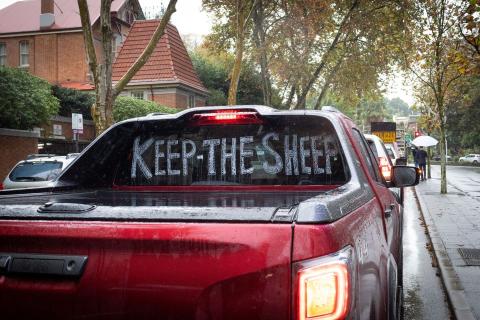
WAFarmers has warned Elders' retreat from selling Western Australian wool locally is the first domino in the sector's supply chain to fall as the federal government's live export ban looms.
Farmers are facing the prospect of needing another bumper crop to turn a profit should the rising costs of diesel and fertiliser not be brought under control.
One of Western Australia's most remote bowsers is now also its cheapest, offering diesel at a discount of more than 50 cents per litre compared to Perth outlets.
Farmers, truckers, airlines, and fuel distributors have descended on Dumas House to iron out a plan to ease pressure on Western Australia's fuel supply.
Leadership WA has appointed Candy Choo as chief executive as the not-for-profit prepares for Dominique Mecoy's departure. Ms Choo will take over from Ms Mecoy from October 6.
The nation's peak farmers' lobby group has rebuffed calls from its WA counterpart to sack Federal Agriculture Minister Murray Watt over his handling of a stranded livestock vessel.
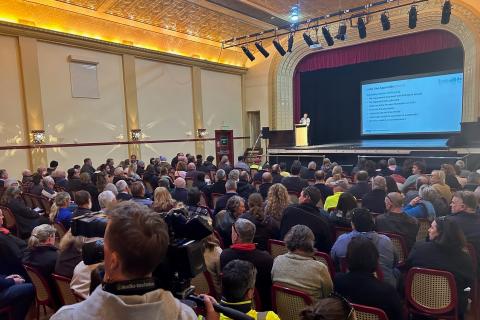
WA Agriculture Minister Jackie Jarvis has delivered a stunning rebuke of commentary suggesting she does not support the live export sector, in a passionate speech that earned her praise from what was expected to be a tough crowd.
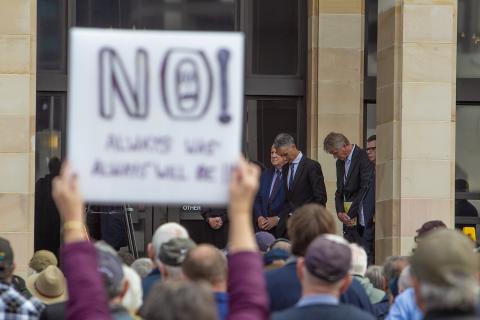
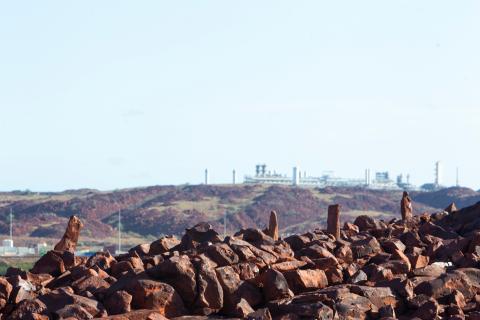
Juukan Gorge's traditional custodians have blasted the state government for treating First Nations people as “second class citizens” in the fallout from Tuesday's unprecedented decision to scrap the Aboriginal Cultural Heritage Act one month after coming into effect.
Whispers the Aboriginal Cultural Heritage Act will be scrapped by the State government just over a month after its implementation have been met with varied responses from parties across the state.
A petition against the imminent rollout of Aboriginal Cultural Heritage laws has attracted more than 27,000 signatures, but the government is holding firm on a July 1 implementation date.
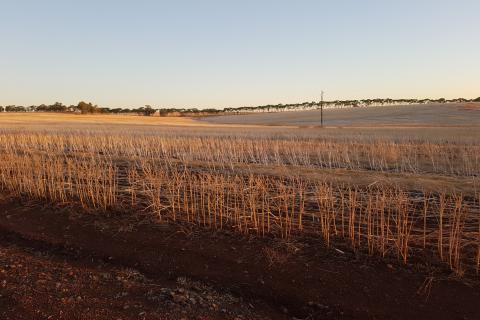
Grain farmers "nailed the jackpot" in a financial year where transport, ICT and the arts also delivered double-digit growth; and the state's economy increased by 3.1 per cent.
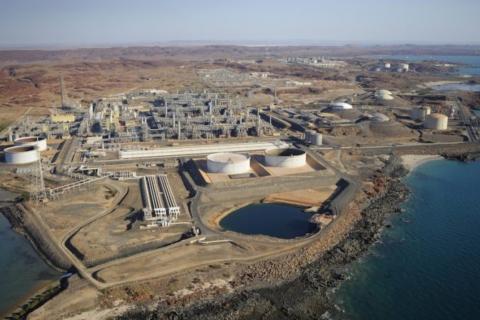
The federal government's NAIF fund has chipped in for the Perdaman project, a $4.3 billion proposed fertiliser plant tipped to produce 2 million tonnes of urea per year.
Western Power estimates the price tag of union requests in a worsening industrial dispute could be $31 million a year, with a further work stoppage looming next week.
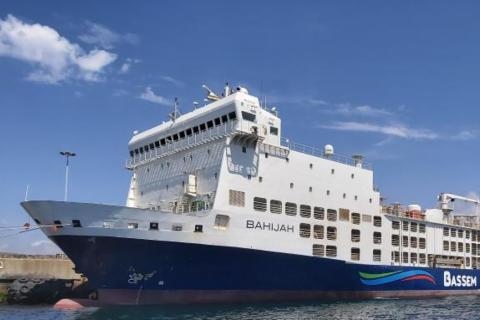
The federal government has refused an exemption to its live export ban that would have allowed 56,000 sheep to be transported to the Middle East, and they will now be sent to abattoirs in Western Australia.
UPDATED: The state government has called an “urgent” summit of farm leaders to discuss workplace safety, at a time when a broad coalition of industry groups have been pushing to halt controversial changes planned to its Work Health and Safety legislation.
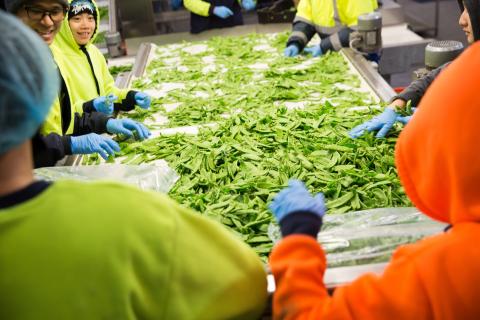
SPECIAL REPORT: Securing workers has become a major concern for food producers across Western Australia, with restrictions on movement and border closures affecting their ability to find temporary staff.
SPECIAL REPORT: Institutional investor interest is continuing to grow in WA's agricultural sector, unaffected by the global uncertainty of the novel coronavirus crisis.
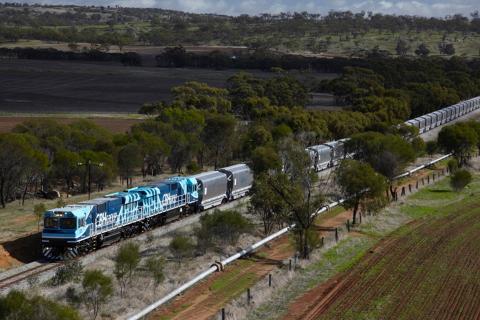
An arbitration process has declared tier three rail lines in Western Australia's Wheatbelt are not economically viable, nearly a decade after industry groups and the state government agreed to shut the lines down.
Our weekly appointments wrap includes Mark Glasson, Philippa Boldy, Chandra Sundareswaran, Rhys Turton, Tracy Taylor, Dean Humphrey, Phill Theunissen, Charlie Gunningham, Robyn Sutherland and Trent Cheetham.
SPECIAL REPORT: The state's agriculture sector has been ruffled by falling exports and revenues, coupled with growing animal welfare concerns and international competition.
After eight months of community protest over its education spending cuts, the state government has reversed its decision to close Moora Residential College following an $8.7 million federal grant.
Milk production in Western Australia has recovered to levels approaching those before the industry's deregulation nearly two decades ago, a recent report has found, while the number of milk-producing farms in the state has fallen significantly.
Federal Labor has effectively committed to end live sheep exports with its agriculture spokesman, Joel Fitzgibbon, telling an Adelaide radio station the party does not believe there is a future for the sector.
The cost to Western Australian farmers of a ban on live sheep exports could be more than 10 times previous estimates, as much as $150 million, according to a report released today.
Agriculture Minister Alannah MacTiernan has suggested a summer ban on livestock exports after video emerged showing sheep dying in extreme heat and filth on a Middle East-bound vessel.
SPECIAL REPORT: Increasing energy costs and ongoing reliability issues are two major challenges for farmers with moves afoot to provide relief on both fronts.
An upgrade to a meat processing plant at Katanning, a chicken feed mill in Muchea, a new piggery at Moora and a live lobster holding facility in Welshpool are the latest in a string of investments that will boost the agribusiness sector in Western Australia.
A particularly stressful week for farmers has come to a relieving end with the Greens today supporting the federal government's proposed 15 per cent backpacker tax after voting against it yesterday.
The federal government's plan for a 15 per cent rate backpacker tax has been knocked down in the Senate, with the state's farming body left furious and desperate for a solution.
The state's agricultural body has welcomed the Commonwealth's decision to reduce its planned backpacker tax to 15 per cent, less than half than what was originally proposed.