WA has again claimed the top spot in the CommBank State of the States report, the fifth consecutive quarter it has been named the nation's best performing economy.
WA has maintained its spot at the top of the CommSec State of the States report for the second quarter running, ranking first in five of eight economic indicators.
Western Australia has recorded the strongest job market and population growth nationally after the state recently surpassed 3 million people, according to CommSec's latest report.
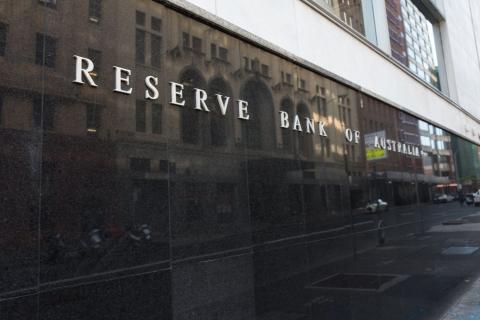
The cash rate has been hiked for the seventh consecutive month, up 25 basis points to be 2.85 per cent, as the Reserve Bank predicts inflation will hit 8 per cent this year.
There's hope that families and small businesses could soon get a reprieve from high petrol prices, with Commsec predicting a 19 cent per litre drop ahead.
WA has been among the most significant beneficiaries of what is being dubbed the “pandemic baby boom”, recording the second strongest population growth in the country.
Confidence has dropped to its lowest level since mid-August 2020 as cost of living pressures mount, not helped by an expected further rise in interest rates.
The unemployment rate among women in Western Australia is just 3 per cent, the lowest since 2008, with the state posting a sharp improvement in the jobless rate in March.
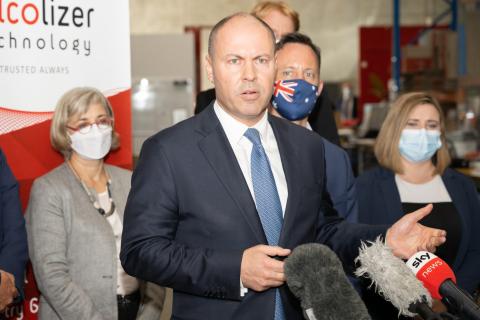
Households are in a strong enough position to handle a rise in interest rates, Josh Frydenberg says, as the RBA appears to be losing patience with inflation.
The national unemployment rate is now lower than Western Australia's, with a rate of 4 per cent across the country slightly less than 4.1 per cent out west.
While Western Australia has recorded solid growth in residential property values in recent months, it's still yet to catch up to its east coast counterparts.
Relatively high confidence among shoppers and the continued drop in the unemployment rate saw modest retail spending growth in the first few weeks of 2021.
More than 32,000 Western Australians found jobs in August, and the unemployment rate plunged 1.3 percentage points, as the nation posted a big improvement.
Retail trade rebounded a record 16.3 per cent in May, following a 17.7 per cent plunge in April, amid a gradual easing of coronavirus-related restrictions during the month.
Western Australia's internal economy grew 0.9 per cent in the March quarter even as Australia as a whole contracted 0.3 per cent, but those numbers mostly predate the economic impact of the COVID-19 lockdowns.
Australia could experience a sustained recession into the second half of 2020, new research from Bank of America predicts, while the latest data from the Australian Bureau of Statistics offers little insight into the impact of shutdowns on unemployment in Western Australia.