Hopes for a May rate rise reprieve look to be dashed after new ABS data, released today, revealed inflation has hit its highest point in almost three years.
Australia's central bank has held the cash rate steady at 3.6 per cent, amid an uptick in inflation readings and widely inline with market expectations.
Big Four bank ANZ has been slugged with one of the largest penalties ever for widespread misconduct, ranging from overstating trades to charging dead customers.
ANZ has announced some 3,500 jobs will be cut over the next twelve months in a $560 million restructure, which will also see consultant numbers trimmed.
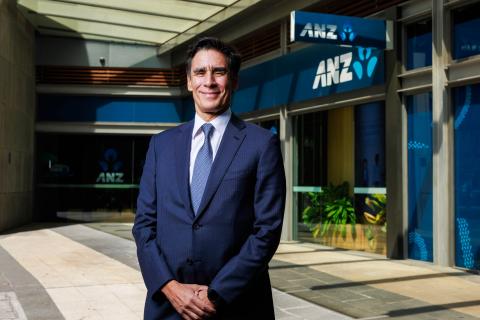
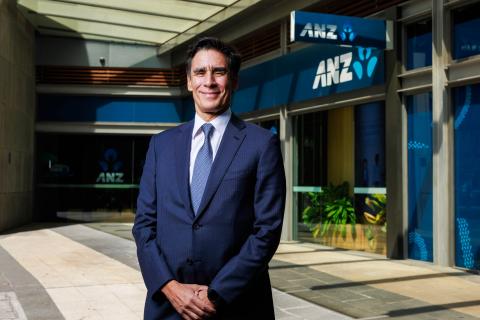
ANZ Bank's newly appointed chief executive says Australia is “an extraordinary case of stability” and as such was an attractive market for global investors.
A dispute between NXT TEC and ANZ has continued, with a Supreme Court judge describing some of the building technology company's pleadings as “embarrassing”.
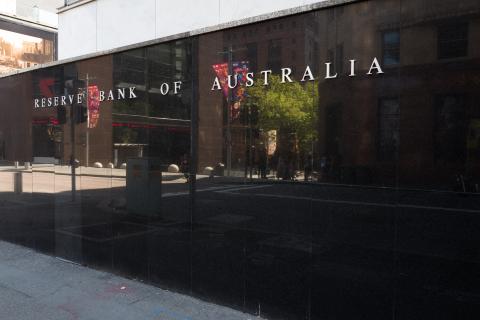
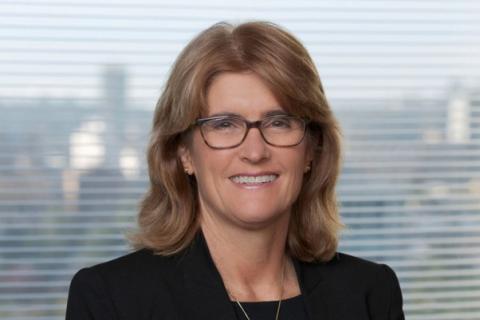
The Reserve Bank of Australia has cut the cash rate for the first time since November 2020, but governor Michele Bullock has warned the inflation fight isn't over.
Federal Treasurer Jim Chalmers will take his time to consider ANZ's acquisition of Suncorp Bank, after a tribunal overruled the consumer watchdog's refusal of the $4.9 billion sale.
The competition regulator has blocked ANZ's acquisition of Suncorp's banking arm in what was a $4.9 billion transaction that would have shaken up the banking industry.
Consumer sentiment is still very low although mortgage holders have curiously regained some confidence ahead of the Reserve Bank's next cash rate decision.
Western Australia has recorded the largest drop in retail sales in December compared to other states and territories, according to the latest monthly retail turnover data released by the Australian Bureau of Statistics.
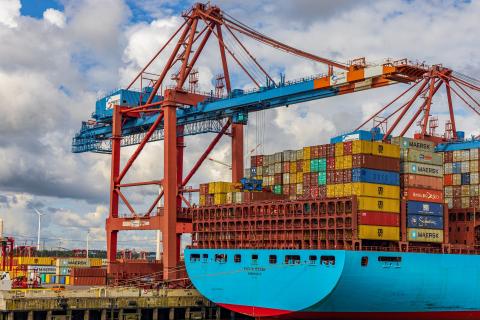
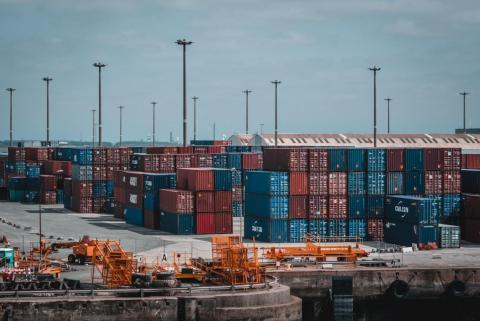
WA exports have doubled over five years to be $256 billion in the 12 months to November, while the national trade surplus was $13.2 billion in that month alone.
The eighth interest rate hike in a row has been met with indifference by consumers, with households likely banking on a pause at the next Reserve Bank meeting.
The cash rate has hit its highest level since December 2012, with a $500,000 home loan now costing $880 more per month than before the hikes started in May.