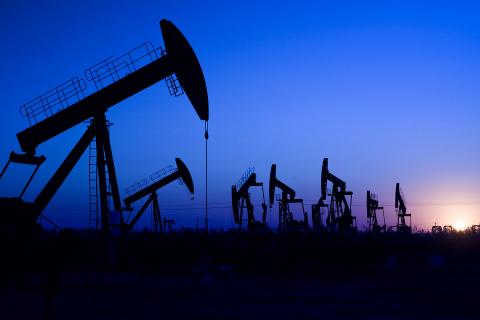
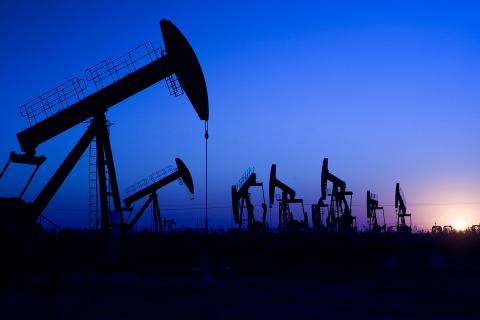
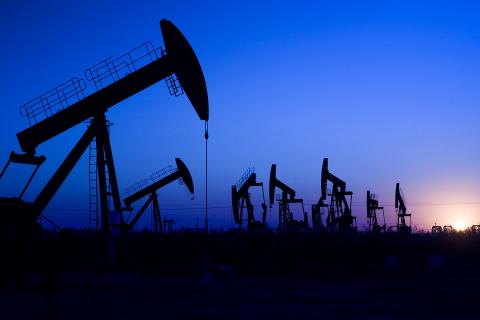
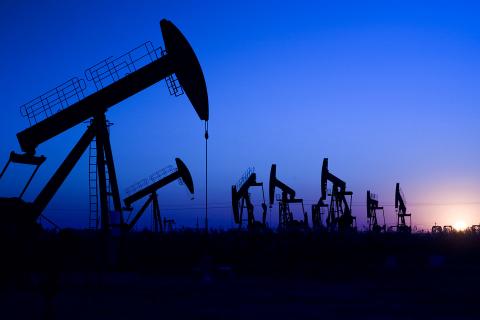
Oil reversed course and rose as much as three per cent overnight after industry sources said Russia had accepted the need to cut production, together with OPEC ahead of its meeting next week.
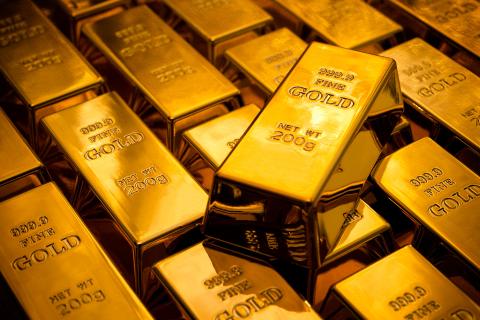
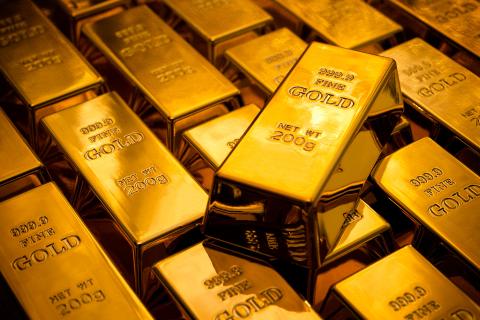
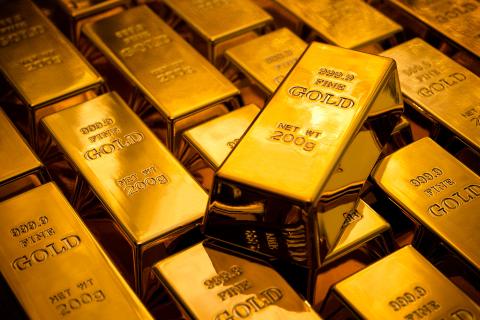
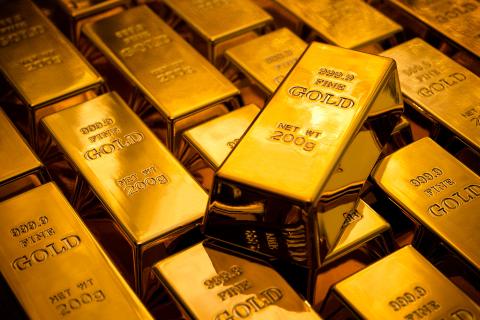
Gold held steady but pared some gains as the dollar recovered and minutes from the US Federal Reserve's recent meeting showed an interest rate hike was imminent in December.
Shares in Norwest Minerals fell 10 per cent to close its first day of trading at 18 cents each, after the company raised $6.6 million via an initial public offering.
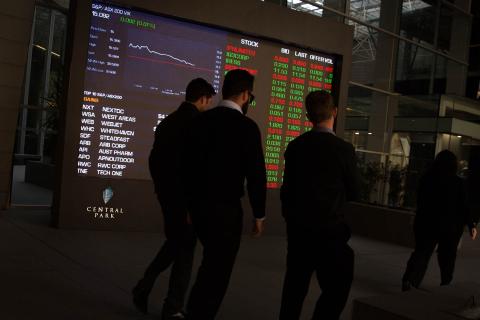
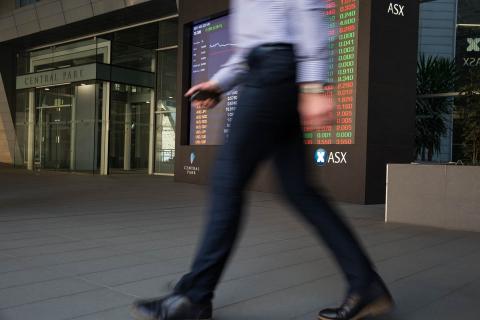
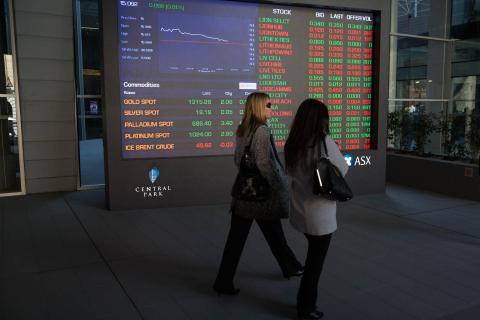
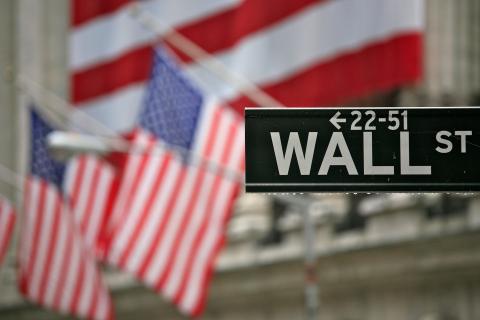
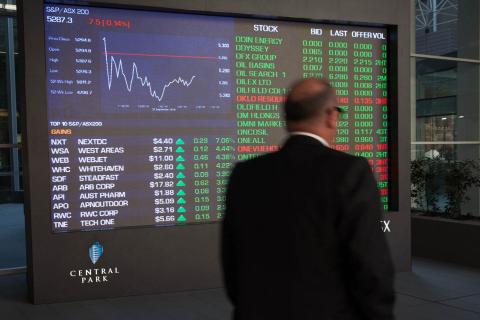
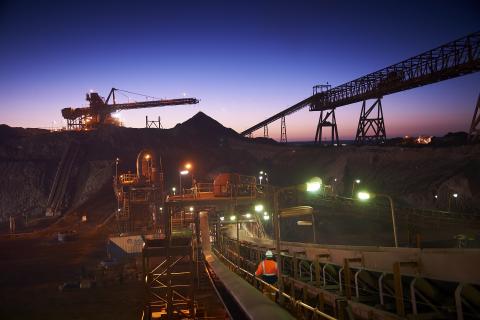
The Australian share market burst out of the gates after a strong lead from Wall Street and held onto most of its gains by the close, buoyed by the banking sector and mining stocks on higher commodity prices.
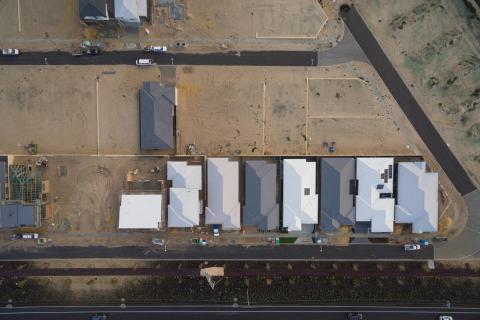
The number of new homes being built in Western Australia has fallen to its lowest level since records started in 1984, with little signs of improvement predicted in the next few years, according to the latest report from the Housing Industry Forecasting Group.
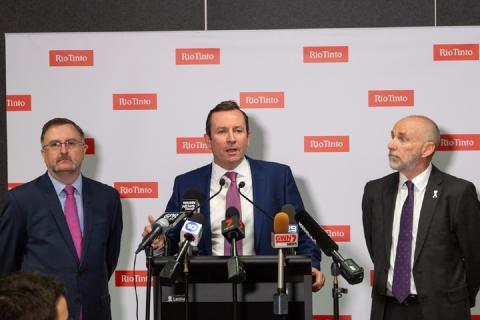
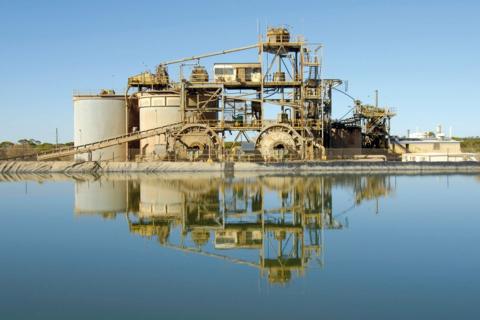
Rio Tinto has approved a $3.5 billion investment to develop its Koodaideri iron ore mine in the Pilbara, lifting the total amount to be spent on new iron ore projects in Western Australia to $12 billion.
Gold prices have risen by as much as one per cent from two-week lows as the US dollar tumbled after Federal Reserve Chairman Jerome Powell indicated that interest rates were near normal, soothing investor worries over the pace of rate hikes.
Local tech company Nuheara has won a two-year contract to provide the UK's National Health Service with its IQbuds Boost hearing bud for adults and children with mild to moderate hearing loss.
West African Resources has awarded a five-year, $152 million underground mining contract to fellow Perth-based miner Byrnecut at its Sanbrado gold project in Burkina Faso.
The S&P 500 and the Dow Jones Industrial Average have edged higher after White House economic adviser Larry Kudlow said an upcoming meeting between US President Donald Trump and his Chinese counterpart is an opportunity to "turn the page" on a trade war.
Oil prices fell more than one per cent overnight, in conjunction with sagging stock markets after US President Donald Trump threatened more tariffs on Chinese imports ahead of the coming G20 summit.
Gold fell overnight to its lowest in more than a week, as the dollar rallied after comments from US Federal Reserve Vice Chair Richard Clarida bolstered expectations that the central bank would continue raising interest rates.
The Australian share market has closed higher after a positive afternoon of trading, buoyed by the financial sector and supported by commodity-related stocks.
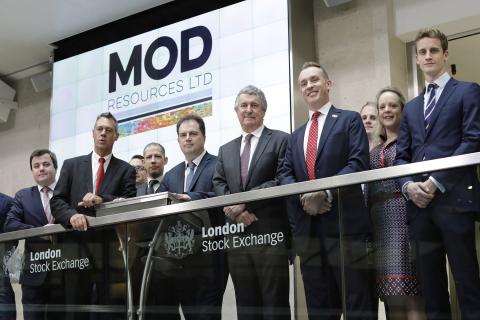
Resolute Mining has announced plans to list on the London Stock Exchange, just a day after fellow Africa-focused miner MOD Resources was admitted to the LSE.
Western Australian small and medium enterprises are the second least confident of all states and territories, but are the most optimistic for the long-term future, a survey of 1,000 SME operators has revealed.
The federal government will lay out its tax and spending plans unusually early in 2019, after the budget brought forward by a month to allow for an election in May.
BHP Group has identified a new copper find near its Olympic Dam operations in South Australia, as speculation continues that Rio Tinto has also made a big copper discovery, in the Pilbara.
Oil prices have risen about three per cent, clawing back some of the previous session's steep losses, although gains where capped by uncertainty over global economic growth and further signs of increasing supply, including record Saudi production.
Gold firmed overnight, supported by uncertainty over the future pace of US interest rate hikes and the outcome of the G20 summit later this week when global leaders will focus on trade tensions.
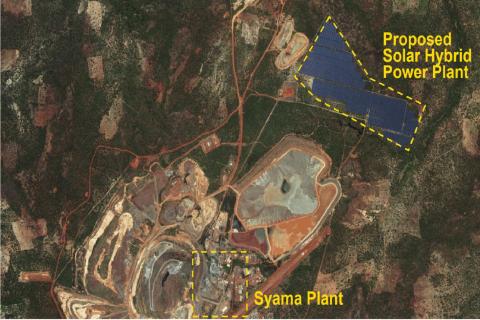
Resolute Mining has signed a joint development agreement with Africa-focused power developer Ignite Energy to set up a 40-megawatt hybrid solar, battery and fuel oil plant at its Syama gold mine in Mali.
The Australian share market suffered broad-based losses but it was the commodity-related stocks bleeding red which was the biggest drag on the indices.