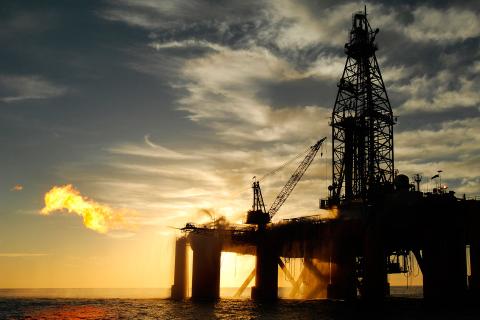
Oil prices fell overnight as investors worried that the unrelenting US-China trade conflict would keep squeezing the global economy and that swelling US crude inventories would further pressure prices.
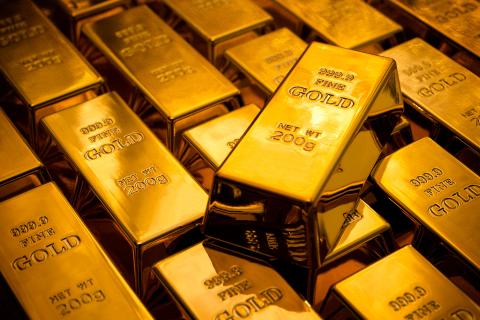
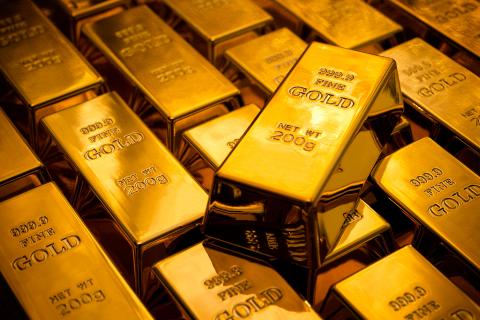
Gold fell 1.0 per cent overnight as growing risk appetite boosted investor demand for equities while a sustained supply crunch in palladium propelled the price of that precious metal to a record high.
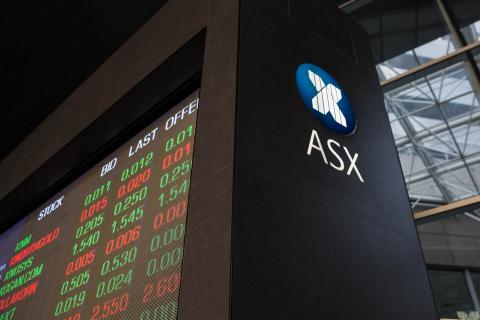
The Australian share market has finished a touch higher despite stocks of media companies and retailers taking a hit amid reports their businesses are suffering.
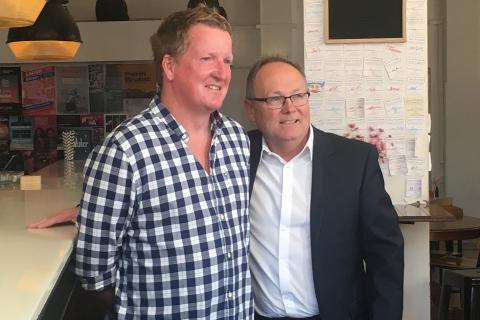
The owners of Northbridge's Picabar have signed a five-year lease agreement with the Perth Theatre Trust (PTT), Culture and the Arts Minister David Templeman announced this morning, bringing to an end a year of uncertainty for the venue.
Oil prices slumped more than 2.0 per cent overnight on worries that global crude demand could stay under pressure as a lack of details about the first phase of a US-China trade deal dimmed hopes for a quick resolution to the tariff fight.
Gold gained overnight as optimism over a potential US-China trade deal waned while palladium notched an all-time high driven by short supplies of the auto-catalyst metal.
Oil prices rose as high as $US60.65 a barrel on Friday after Iranian media said a state-owned oil tanker had been struck by missiles in the Red Sea near Saudi Arabia but bearish oil demand forecasts soon pulled crude off session highs.
Gold fell over 1.0 per cent on Friday, en route to its biggest weekly decline since March, as easing concerns about the US-China trade conflict and Britain's exit from the European Union renewed appetite for riskier assets.
Oil prices rose overnight, buoyed by comments by the head of OPEC that the organisation could take action to balance oil markets and that it will decide in December on supply for next year.
Gold prices retreated from a one-week peak overnight while palladium prices marked an all-time high after a report suggested that the Chinese government wants to reach an agreement with the US administration to avoid further escalation of a ongoing trade row.
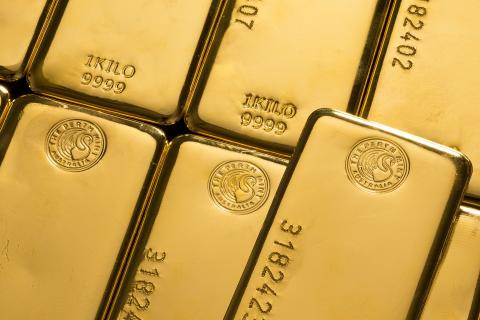
The Perth Mint has today announced the launch of a gold token, partnering with fintech startup InfiniGold to launch the world's first gold token guaranteed by a sovereign entity.
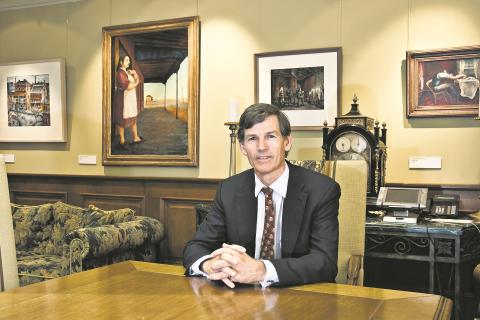
Peter Gammell and Jeff Kennett will step down as directors of Seven West Media, while Micromine and Global Rapid Rugby have appointed new chief executives.
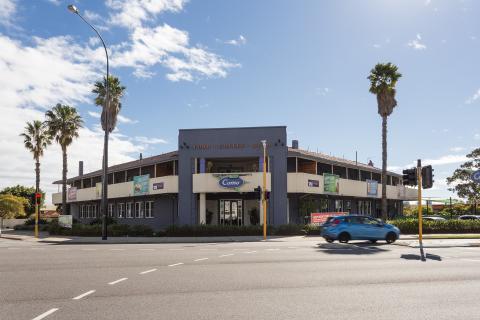
Redevelopment plans for The Como Hotel are a step closer to reality, with property developer and Woolworths subsidiary ALH Group having been granted a variation on its existing liquor licence.
Oil prices rose overnight following media reports that China's government was open to a partial trade deal with the United States and after Turkey launched a military operation in northern Syria but a build in US crude inventories limited gains.
Gold eked out gains on bets of further rate cuts by the US Federal Reserve as investors awaited minutes from the central bank's September meeting overnight but hopes of a China-US trade deal buoyed risk sentiment and capped bullion's gains.
Power Ledger has announced it will launch a pilot trial of its blockchain-enabled renewable energy trading platform, partnering with Malaysia's Sustainable Energy Development Authority (SEDA).
Tourism Council WA has encouraged the state to attract more international students and events, as the state government touted figures from Tourism Research Australia as proof its marketing campaigns were paying off.
Oil prices slid about 1.0 per cent overnight as the US government's plans to blacklist more Chinese companies dampened hopes for a trade deal between the two countries, although unrest in Iraq and Ecuador lent some support to crude prices.
Gold prices gained overnight, bouncing off a one-week low touched earlier in the session, as uncertainties over US-Chinese trade talks and Brexit drove a decline in stock markets and prompted investors to seek refuge in the safe-haven metal.
Yesterday, Business News published an article titled “Prominent Perth restaurateur accused of extortion”, which featured a photo of Giovanni Pezzano and Badri Gosavi prior to the formal opening of The Meatball Bar in Leederville in 2014.