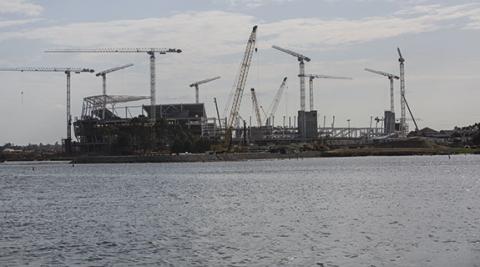
The state government expects lower contracting and construction rates will deliver savings of more than $1 billion on its asset investment program over the next four years, but has not committed to any major new infrastructure projects.
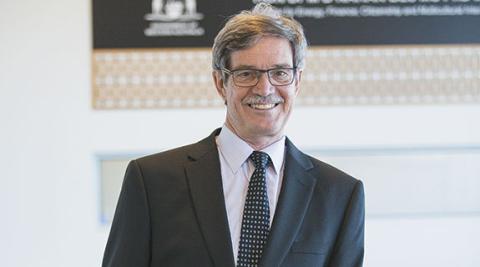
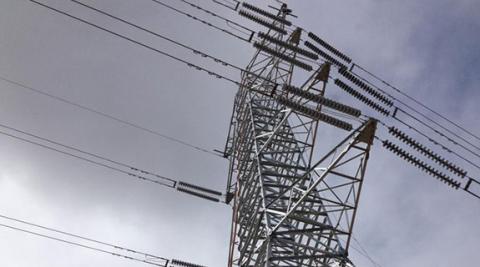
Treasurer Mike Nahan hopes to raise $16 billion from an expanded asset sales program, with Western Power and Horizon Power's Pilbara transmission lines now targeted but two other assets unexpectedly removed from the government's sell-off list.
The Barnett government expects to deliver Western Australia's largest budget deficit of $3.9 billion next financial year as it continues to grapple with shrinking revenue and higher spending.
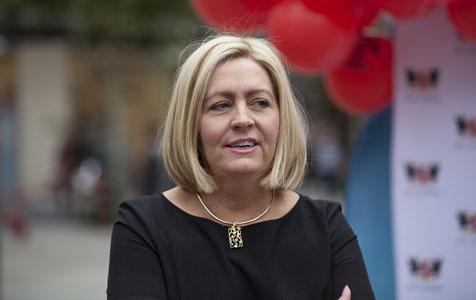
Embattled Perth Lord Mayor Lisa Scaffidi has lost the support of her deputy, with James Limnios calling for her to step aside following the release of another report into her conduct.
Newly appointed Labor candidate for Fremantle, Josh Wilson, says he sympathises with the man he has replaced in what he has described as extraordinary circumstances.
US stocks dropped and the Dow Jones industrial average suffered its worst day since February as feeble quarterly reports from Walt Disney, Macy's and Fossil undermined confidence across the consumer sector.
Treasurer Mike Nahan has poured cold water on a report that argued Western Power was a major cash spinner for the government, saying the corporation paid a net dividend of less than $30 million to the state last year.
The gap between the state's minimum wage and the national floor should be reduced to prevent putting low-paid workers at risk of job losses, according to the Chamber of Commerce and Industry of WA's submission to the upcoming state wage case.
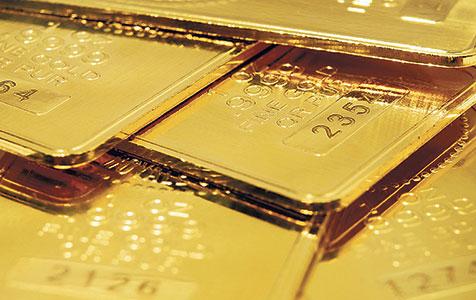
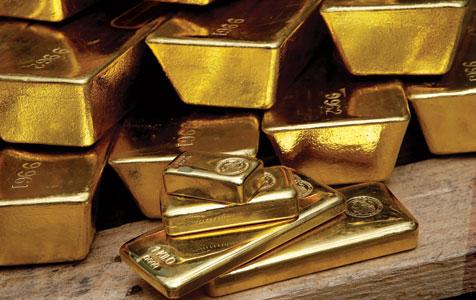
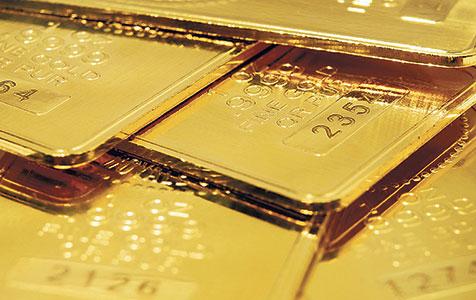
Gold has closed slightly higher after earlier falling to a near two-week low, after its steepest loss since March in the prior session, as a firm US dollar and higher equities curb appetite for the precious metal.
Perth Lord Mayor Lisa Scaffidi could face proceedings in the State Administrative Tribunal after a report tabled in parliament alleged that she failed to declare travel and gifts up to 45 times over seven years.
More than 1,000 Western Australian companies went into external administration in the 12 months to March, an increase of nearly 36 per cent on the same period last year, according to the latest ASIC data.
Gold has fallen two per cent in its biggest one-day drop in nearly seven weeks as the strengthening US dollar and a sharper appetite for assets seen as higher risk sparked selling across commodities.
The Australian dollar has fallen on the back a decline in China's imports.At 0700 AEST on Tuesday, the currency was trading at 73.16 US cents, down from 73.63 cents on Monday.
Gold has jumped one per cent after US non-farm payrolls data for April came in weaker than expected, boosting expectations the Federal Reserve will delay further interest rate increases.
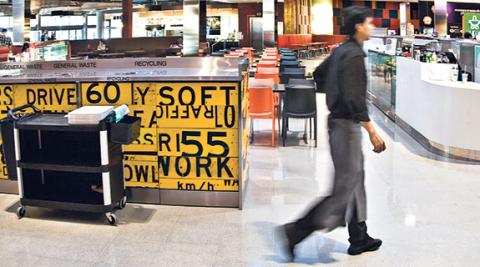
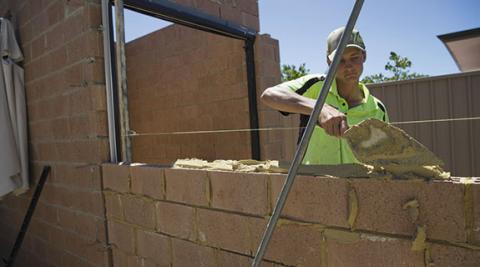
The cost of hiring tradies in Western Australia has fallen over the past year but continues to be substantially more expensive than other states, an industry survey has found.
WA business leaders have bemoaned the state government's failure to plan for life beyond the mining construction boom, but still see opportunities in other sectors.
Gold turned lower on Thursday, dropping for the fourth straight session on pressure from the firm U.S. dollar ahead of Friday's U.S. payrolls report, which will give clues about whether the Federal Reserve will soon raise interest rates.