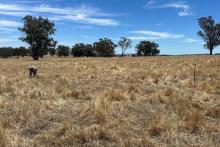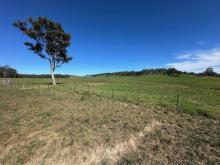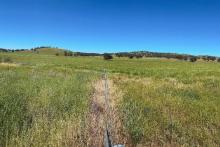


Xpedra Resources has continued to deliver wide, shallow zones of gold at its new Springfield project in New South Wales, with the latest batch of assays returning multiple thick hits, including a 52-metre intercept grading 1.35 grams per tonne gold from just 20m downhole. Management says the consistency of the thick gold hits from the first five holes at its project is reinforcing its confidence in the potential scale of its deposit.


Xpedra Resources has continued to serve up wide, shallow zones of gold at its fresh Springfield project, outside Gulgong in New South Wales, with the newest batch of assays returning multiple thick hits, including a 52-metre intercept grading 1.35 grams per tonne (g/t) gold from just 20m downhole.
The broad hit came from the latest set of three reverse circulation (RC) drill holes in a 27-hole maiden campaign at the project, which sits in the state’s gold renowned Lachlan Fold Belt.
Other significant results at the emerging system included a 25-metre intercept grading 1.23g/t gold from 42m, and a 24-metre hit going 1.03g/t gold right from surface.
The latest results follow on from the initial two holes of the campaign, which returned impressive intercepts, including a 36-metre hit running 1.84g/t gold from 19m.
Management says the impressive consistency of the wide, shallow mineralisation across the first five holes has reinforced its confidence in the scale and continuity of the deposit, with a big tonnage resource now emerging from the recently acquired ground.
Xpedra’s current campaign has been designed to test and extend the historically known zones of gold, with all results so far more than sufficient to demonstrate the scalable characteristics of the shallow mineralised gold system.
With the maiden RC program completed in mid-April, the company says it expects a steady stream of news as assays from the remaining 22 holes flow in over the coming weeks.
Xpedra Resources managing director Scott Funston said: “Results from the latest three drill holes continue to reinforce our confidence in the scale and continuity of the Springfield Gold Deposit. Importantly, all holes reported to date have intersected broad zones of shallow gold mineralisation, including multiple higher-grade intervals.”
Xpedra scooped up the promising Springfield project late last year, after it sat largely untouched by modern exploration for more than a quarter of a century.
The prospect sits near Gulgong in New South Wales, planted firmly within the richly endowed Lachlan Orogen, a belt renowned for hosting some of Australia’s most prolific gold systems, such as Newmont Corporation’s monster 15-million-ounce Cadia Mine.
Despite historical drilling outlining a mineralised intrusion stretching over a substantial 1700m of strike, when gold struck $450 an ounce in 1999, exploration was abandoned.
The company believes the historical work barely scratched the surface, with deeper drilling constrained to only about 500m of the total strike length, leaving the system open in all directions.
Geologically, the company believes the higher-grade mineralisation occurs within structurally controlled quartz vein zones at depth. The evolving understanding has provided valuable information to target extensions and plan future drilling.
With five from five solid gold intersections under its belt at Springfield, Xpedra is already well advanced in its preparations for a follow-up RC drilling program slated for June.
The next phase will aim to expand its ounces further and refine the known mineralised footprint.
After a 25-year nap, the Springfield project is certainly getting a jolt back to life, with initial drilling already confirming its promise. Xpedra certainly looks set to generate plenty more shallow gold results from its long-neglected NSW gold asset.
Is your ASX-listed company doing something interesting? Contact: matt.birney@businessnews.com.au