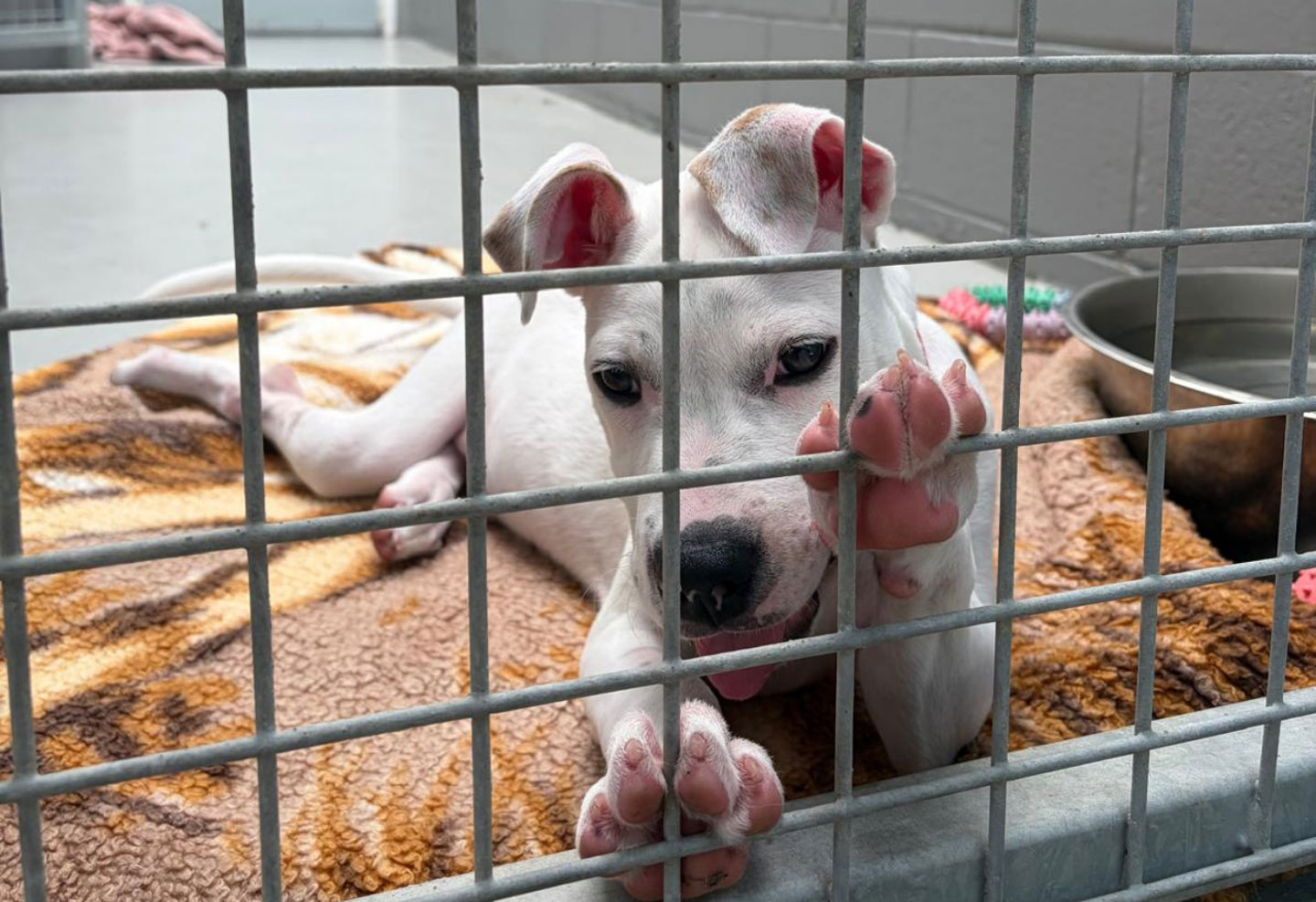
Most Western Australians associate animal welfare work with the cases that make headlines. The dramatic rescue operation that sees dozens of animals removed from appalling conditions, a puppy farm shut down by inspectors, or a deliberate act of cruelty that leaves us wondering how anyone could treat an animal that way.
These highly visible cases attract attention and outrage. They remind us why organisations like RSPCA WA exist and why protecting vulnerable animals matters. But they only represent the tip of the animal welfare iceberg.
Last year alone, RSPCA WA investigated more than 8,000 cruelty reports and travelled over 333,000 kilometres across the state. Only a small portion resulted in animals being seized or prosecutions. Much of the work was quieter, but no less important: improving an animal's welfare before a difficult situation became a crisis.
Increasingly, animal welfare concerns are linked to financial hardship, and rising living costs can leave owners struggling to afford food, parasite treatment or vet care. A manageable health issue can become a painful condition when treatment is delayed, leaving families facing choices they never expected to make.
Prevention over intervention
RSPCA WA's mission to improve the lives of animals increasingly relies on prevention. From supporting individual owners and working with local communities to advocating for state-wide reforms, the organisation seeks to address the causes of poor animal welfare before they escalate into cruelty.
Alongside investigating reports of cruelty and neglect, RSPCA WA inspectors work directly with owners to improve animal welfare outcomes through education, advice, referrals to veterinary care, monitoring, and practical support. In many cases, the best possible outcome is not an animal entering a shelter. It is an animal remaining safely at home because help arrived before the situation escalated.
Staying connected and serving our community
Last year, RSPCA WA brought its cruelty hotline back to Western Australia, strengthening its connection to the communities it serves and ensuring reports are assessed by people with a strong understanding of local challenges.
This strategic change unlocked valuable local knowledge and deeper community insight, helping identify emerging trends and areas of concern and direct support where it is needed most.
One way this support is delivered is through RSPCA WA Community Action Days, which bring together inspectors, vets, dog trainers, local governments and community partners to provide free pet health checks, parasite treatments, microchipping, pet food, behavioural advice and animal welfare education.
Last financial year, this initiative assisted more than 1,800 people, distributed over 2.6 tonnes of pet food and provided hundreds of animal health checks across Western Australia.
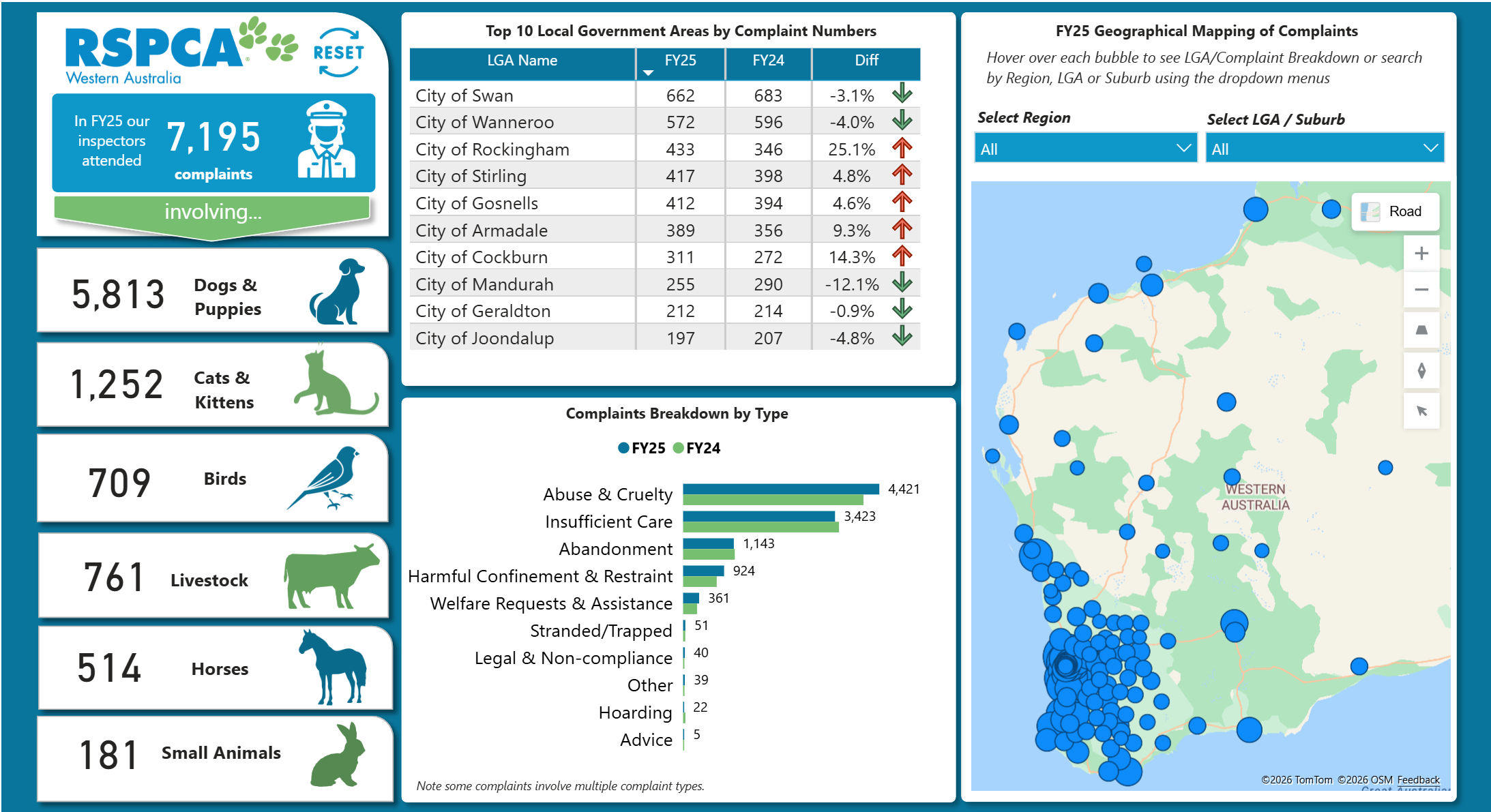 2024/25 FY animal cruelty data by region, local government area, and suburb across WA. Available from WA Animal Cruelty Hotspots Report | 2024-25 - RSPCA WA
When intervention is needed
Prevention cannot eliminate the need for intervention. RSPCA WA cares for around 2,500 animals each year, and those entering care increasingly require more intensive medical treatment, rehabilitation and behavioural support.
The number of RSPCA WA veterinary consultations and procedures climbed to 14,713 last year, more than 60 per cent higher than two years ago. Cases involving neglect, untreated medical conditions and significant rehabilitation needs are growing, requiring costly medical intervention and lengthy recovery periods.
Partner shelters, other rescue groups, and an 1,800 strong foster network help extend RSPCA WA’s capacity, allowing suitable animals to move through the shelter more quickly or recover in a loving home, making shelter space available for urgent cases.
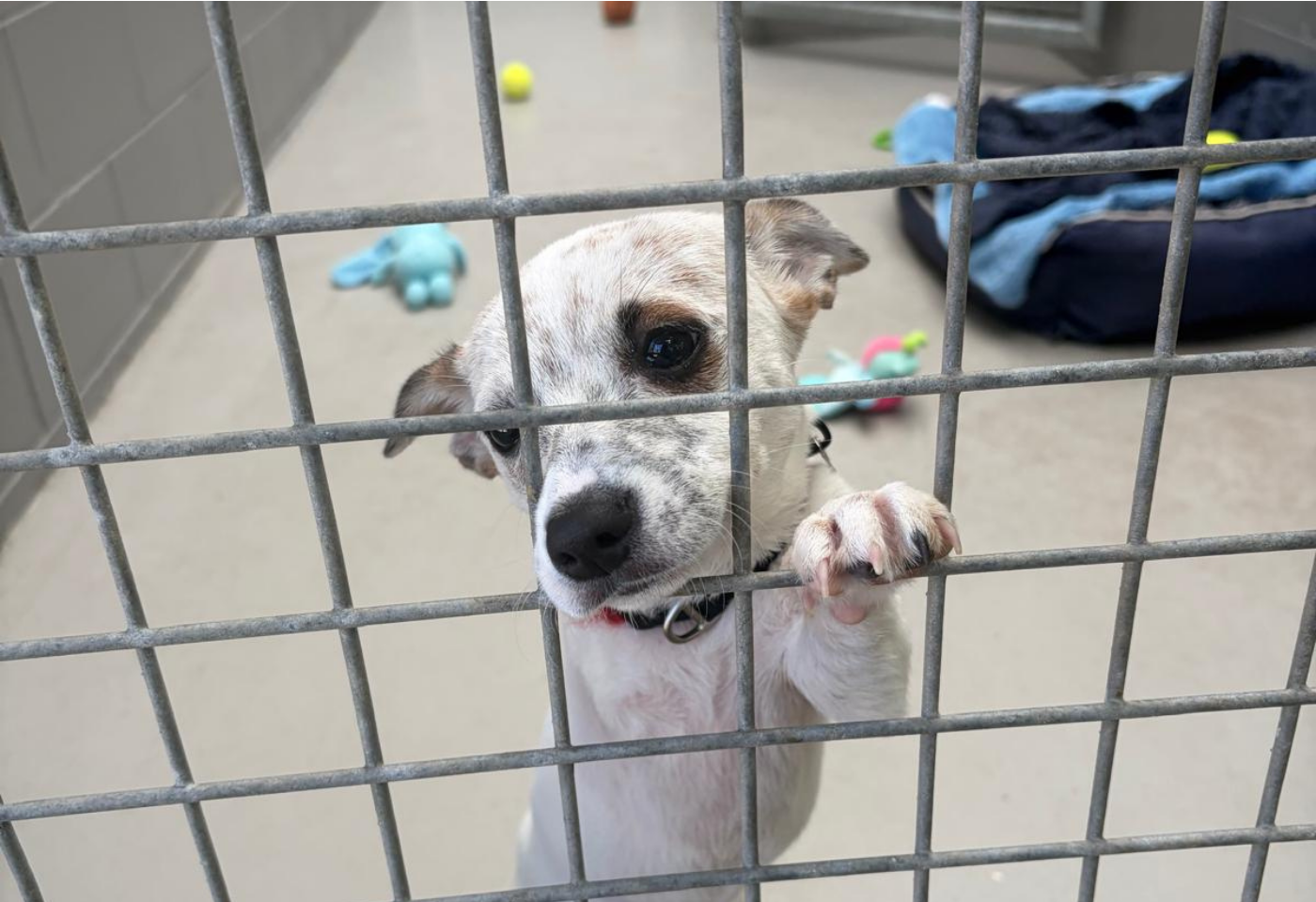
Increasingly, animals entering the care of RSPCA WA require more intensive medical treatment, rehabilitation and behavioural support.
Getting them home takes a community
Community support underpins every part of RSPCA WA's work. It helps prevent suffering before issues escalate, supports owners who need a helping hand, expands our reach into regional communities, and gives vulnerable animals the opportunity to recover, heal and find loving homes.
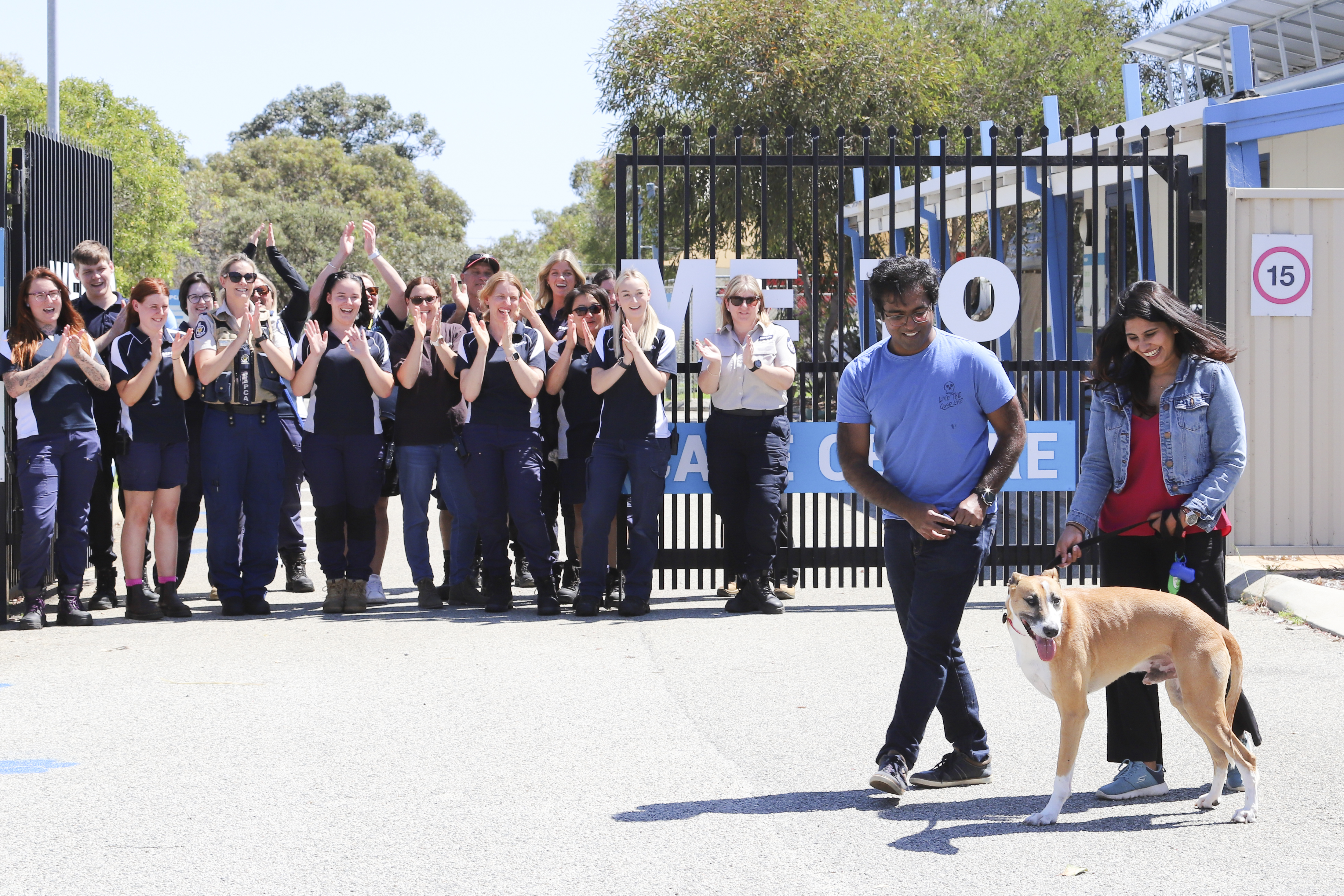
When a community comes together, more animals get the second chance they deserve. Support RSPCA’s Give to Get Them Home campaign and help them find loving homes.
On 1 October, we will once again bring our community together for Give to Get Them Home, RSPCA’s annual matched giving day.
This year, our goal is to raise $400,000 for animal welfare programs across WA. Before campaign day, we need to build the $200,000 matched giving fund that will make the campaign so powerful.
We are inviting our most committed supporter and business partners to become Leading Matchers.
By pledging to the matched giving fund, your generosity does more than provide vital support in its own right. It inspires the wider community to give, because every donation made on 1 October will be matched dollar for dollar while matching funds are available.
That means your generosity can have double the impact. Your pledge as a Leading Matcher can help twice as many animals benefit from the care, protection and second chances they deserve.
While dramatic rescues may capture public attention, they represent only one part of the story. Every day, RSPCA WA is working behind the scenes to prevent suffering, support communities, rehabilitate vulnerable animals and create pathways to loving homes.
As a Leading Matcher, you can make more of those moments possible.
Please join us as a matched giver for Give to Get Them Home. Your generosity will encourage others to give, double the impact of their donations and help us reach more animals across WA when they need us most.
Together, we can turn one act of generosity into two, and give twice as many animals the opportunity for a better life.
For more information on Give to Get Them Home campaign and to discuss matched giving opportunities, contact Gosia Paton on gpaton@rspcawa.org.au