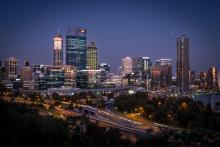



The South West is fast becoming a focal point for industrial development opportunities, with demonstrated economic growth across key sectors including advanced manufacturing, energy, agri-tech and the circular economy. Bunbury's recent announcement as one of Western Australia's Seven Cities signals its pivotal role in supporting the State’s future population growth and industry expansion objectives.
More and more WA businesses are finding opportunities in the South West. With strategic infrastructure advantages, including bulk port capacity and existing rail network, and Government funding initiatives supporting major industry attraction and diversification, there are many high-value production and supply chain opportunities.
Such initiatives include the almost $700m State Government investment to support Collie to diversify beyond coal into new industries, the recent opening of expressions of interest for defence manufacturing, and the $55 million committed to establish an advanced manufacturing hub near Bunbury.
These developments are helping shape the South West’s next phase of industrial growth and will be a key focus of the Innovative Industries of the Future conference (iiF26) in Bunbury on 27 and 28 October, which is expected to draw participants from Perth, Sydney, Melbourne and across regional WA.
Manufacturing capability taking shape
Advanced manufacturing sits at the heart of the region's trajectory, with a focus on automation, robotics and precision production. Through the Regional Economic Development Grants, the State Government is supporting an advanced manufacturing training hub with RCR Mining Technologies and South Regional TAFE.
For Perth companies in engineering, technology and defence supply chains, there is opportunity to join early-stage industry and workforce formation. These themes anchor an iiF26 conference panel featuring Bosch Automation Manufacturing Services, Defence West and ECU.
Energy projects moving toward delivery
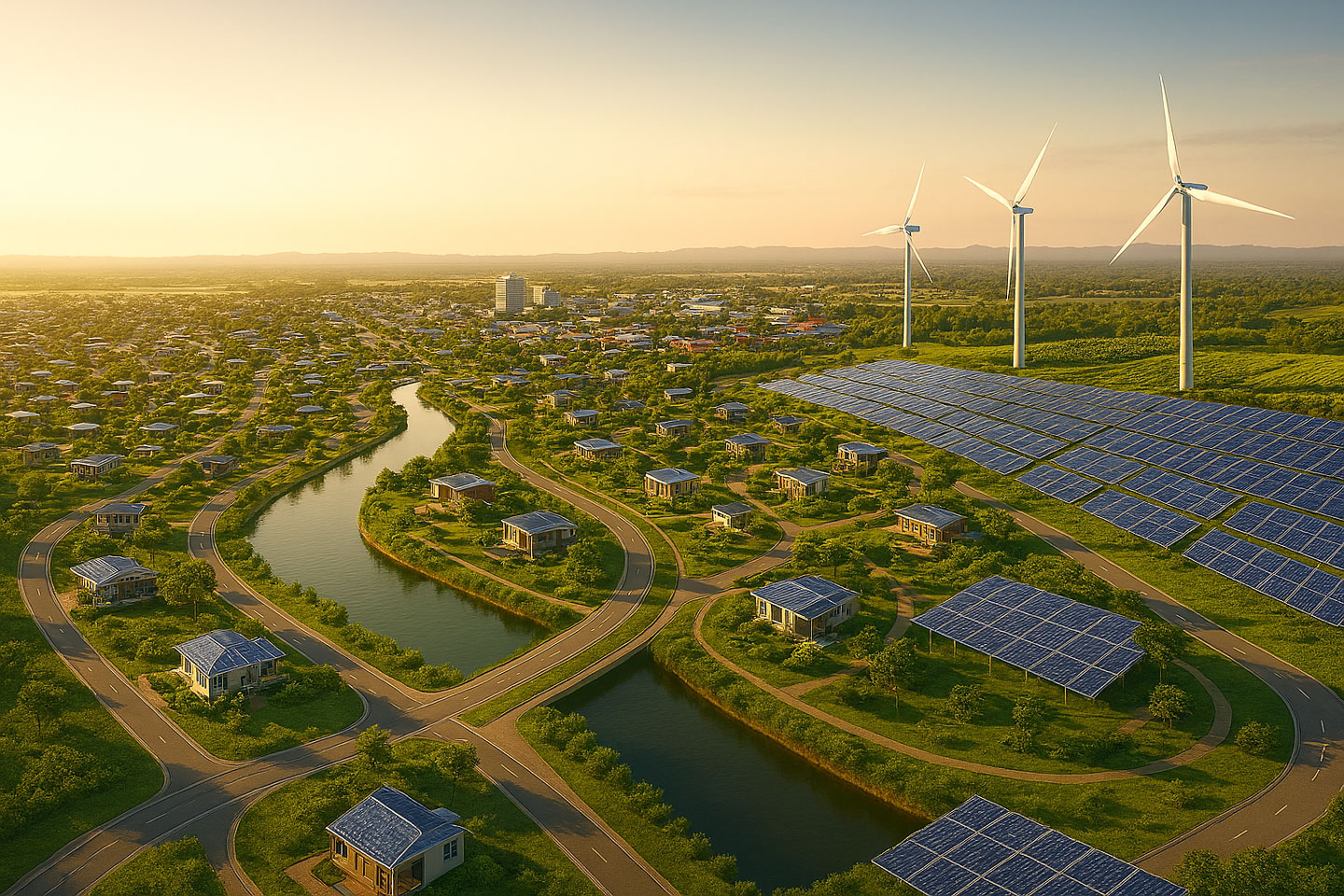
The booming energy sector offers many more prospects for the South West, particularly in lower-emissions power at scale. Proximity to high voltage transmission networks and an existing industrial skills base present opportunities to support and service a growing renewables sector. Sessions at iiF26 will centre on commercially-viable solutions, featuring Tesla, the Energy Institute at UNSW, Climate Energy Finance, and New Volt, with real scope for businesses across engineering, construction, maintenance and energy services to get involved in projects of national significance.
Circular economy and agritech working together
Agricultural growth is increasingly dependent on advanced processing and technology to lift productivity. Agritech enables this through data-driven systems and precision farming, complemented by value-added processing and export-oriented manufacturing. The circular economy is critical to making that growth sustainable. Companies including Bega Circular Valley, Craig Mostyn Group, and Aqwest are using cutting edge technology in water reuse, agricultural by-product processing and the integration of industrial outputs into new value chains
Speakers framing the bigger picture
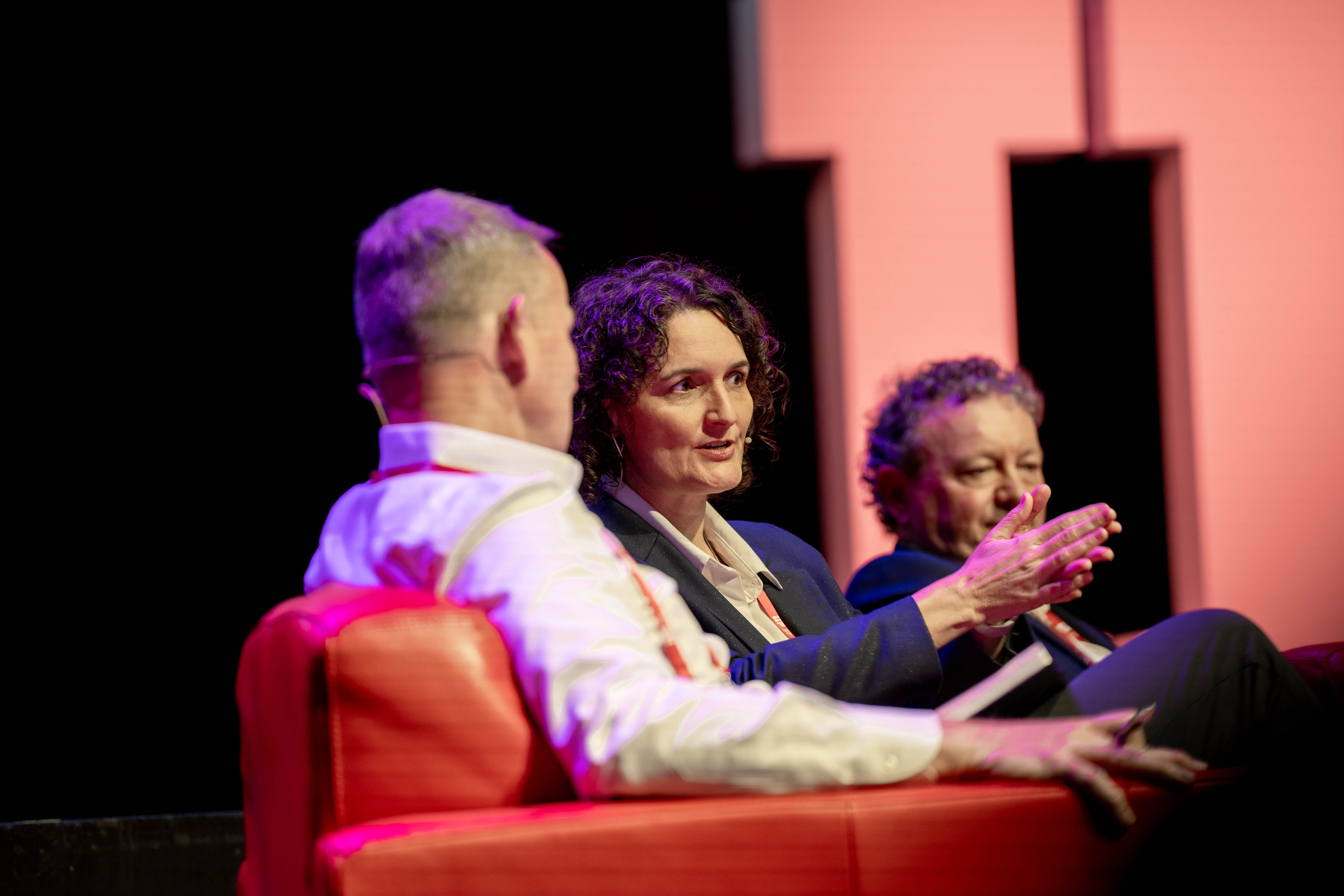
The keynote speakers at iiF26 will position these local opportunities in the context of global trends. Dr Jordan Nguyen, an engineer, inventor and Australian of the Year finalist, builds technologies designed to change how people live.
“Powerful technologies are becoming more accessible than ever, and that creates enormous opportunities for regional industries,” Dr Nguyen says.
Renee Wootton Tomlin, an aerospace engineer and proud Tharawal woman whose career spans NASA's Jet Propulsion Laboratory, Qantas and the scaling of sustainable aviation fuel at Lanza Jet, argues that economic and environmental goals are not rivals, but the same undertaking.
“Every grain farmer in regional Australia is managing a waste stream that has real commercial value they’re not capturing yet,” she says, a link that runs straight through the region's agritech, energy and circular economy ambitions.
Both speakers will widen the lens for regional WA on how technology and sustainability are reshaping industries across Australia and around the world.
A program built around creating opportunities
Across two days, iiF26 pairs these discussions with site visits and networking, giving delegates room to meet the operators, investors and researchers shaping each field.
Backed by the State Government and supported by the City of Bunbury, iiF26 connects industry, government and academia to turn “Innovation into Impact” - the theme for the conference.
Limited early bird tickets are now available at $790 (full price $1590) and include priority access to the industry tours and film screening. Register now at iifconference.com.au