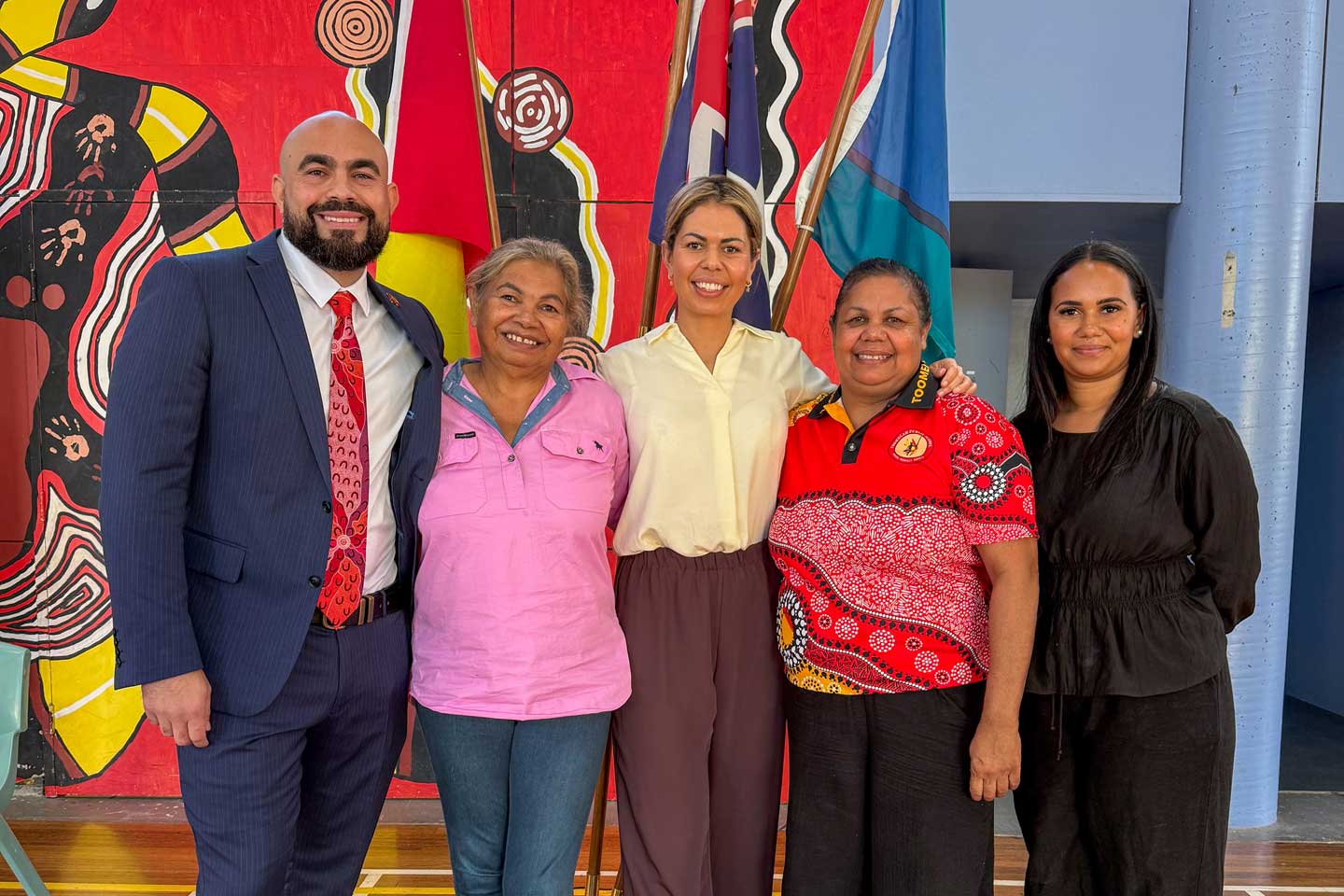
Australia’s leading salary packaging and novated leasing provider Smart has strengthened its community ties in Western Australia through a partnership with Indigenous-owned non-bank lender First Nations Finance, in a move designed to align commercial growth with social impact.
The partnership places First Nations Finance on Smart’s approved lender panel, enabling employees across Australia to access novated leasing finance through the Indigenous-owned provider.
Smart currently manages more than 85,000 novated lease vehicles nationally across the government, health, education, not-for-profit and corporate sectors.
A novated lease allows workers to pay for their vehicle finance and running costs with their pretax salary, with additional tax savings available on eligible electric vehicles.
Under the partnership, First Nations Finance will provide consumer finance for a share of Smart’s novated leasing pipeline, creating a new revenue stream for the Indigenous-owned lender.
In turn, First Nations Finance directs 70 per cent of its profits to the Pauline E. McLeod Foundation, which funds programs focused on mental health, education, employment pathways and Indigenous entrepreneurship
Smart’s group executive for novated leasing Sid Jha said the partnership was designed to link financial benefits for customers with broader community outcomes. “A novated lease through Smart is about helping people keep more of what they earn,” Mr Jha said.
“Partnering with First Nations Finance means that, while customers are saving, they’re also contributing to real outcomes such as supporting Indigenous education and entrepreneurship. This is a genuine partnership delivering commercial outcomes and social impact together.”
Smart is also developing its second Innovate Reconciliation Action Plan, to be published later this year.
“As a business, we are focused on promoting Indigenous employment and partnering with Indigenous businesses to drive positive economic outcomes and contribute to financial wellbeing,” Mr Jha said.
First Nations Finance is a Supply Nation-certified Indigenous non-bank lender and joint venture with alternative asset manager Remara, which manages approximately $3 billion across credit and real estate.
First Nations Finance director Stephen Rutter, a Trawlwoolway man from Tebrakunna Country, said the partnership represented an important opportunity to expand Indigenous-led finance and entrepreneurship initiatives.
“The Smart partnership allows us to secure recurring finance and scale First Nations Finance without needing the level of resources and sales opportunities
we would otherwise require,” Mr Rutter said.
“Because of the significant volume, the partnership is providing more returns into the Pauline E. McLeod Foundation, allowing us to drive social impact and provide stronger support systems for Indigenous businesses looking to scale.
“Currently, [Australia needs] about 40,000 more Indigenous businesses to cater to Indigenous procurement policy requirements and reconciliation commitments across corporate Australia.”
Mr Rutter noted that the Commonwealth Government’s Indigenous Procurement Policy will increase from 2.5 per cent to 3 per cent on 1 July, potentially directing billions more dollars to Indigenous businesses.
“We need a catalyst to help build the next generation of Indigenous businesses and provide the ecosystem support around them,” he said.
In Western Australia, revenue generated through the partnership with Smart will directly support Indigenous entrepreneurs through initiatives linked to the Pauline E. McLeod Foundation and the First Nations Entrepreneurs’ Academy.
The program is designed to help Indigenous entrepreneurs scale sustainable businesses and strengthen long-term economic participation.
Perth-based entrepreneur Yuluwirri McGrady, founder of Yuluwirri Consulting, is among the WA business owners selected to receive support through the Entrepreneurs’ Academy.
Mr McGrady launched his consultancy after more than a decade working in the mining industry, with the business focused on helping mining companies strengthen engagement with traditional owners and supporting Aboriginal businesses seeking to grow within the resources sector.
Mr McGrady, who grew up in Toomelah, New South Wales, said stronger Indigenous business support networks would help create new pathways and role models for younger generations.
“When I was young, all I ever wanted to do was play professional sport because those were the role models we saw,” he said.
“The opportunity Indigenous business hubs create is showing the next generation that you do not just have to be a professional athlete – you can also be a business owner and create positive impact in your community.”
Mr McGrady said building financial capability remained one of the biggest challenges facing Indigenous entrepreneurs.
“Aboriginal people are great storytellers and that side of business often comes naturally, but the financial side – understanding balance sheets, BAS and profit and loss – is still new for many people,” he said.
“Having First Nations Finance there to support businesses with that financial literacy gives them a solid foundation to grow and create significant impact.”
Broome-based entrepreneur Cara Peek has also been selected by the First Nations Entrepreneurs’ Academy for potential support to help scale her social impact enterprises: Cultural IQ, Make It Happen HQ and Saltwater Country. Her focus is on building cultural capability, driving Indigenous innovation and strengthening community connection across regional Western Australia.
She echoed Mr McGrady’s views that financial knowledge, and particularly access to capital, are often the main barrier that Indigenous entrepreneurs face in scaling their businesses.
She said initiatives supporting Indigenous entrepreneurship could help unlock long-term economic participation.
As novated leasing adoption grows, Smart’s partnership with First Nations Finance demonstrates how financial services can enable broader economic inclusion and community impact.
https://www.smart.com.au/
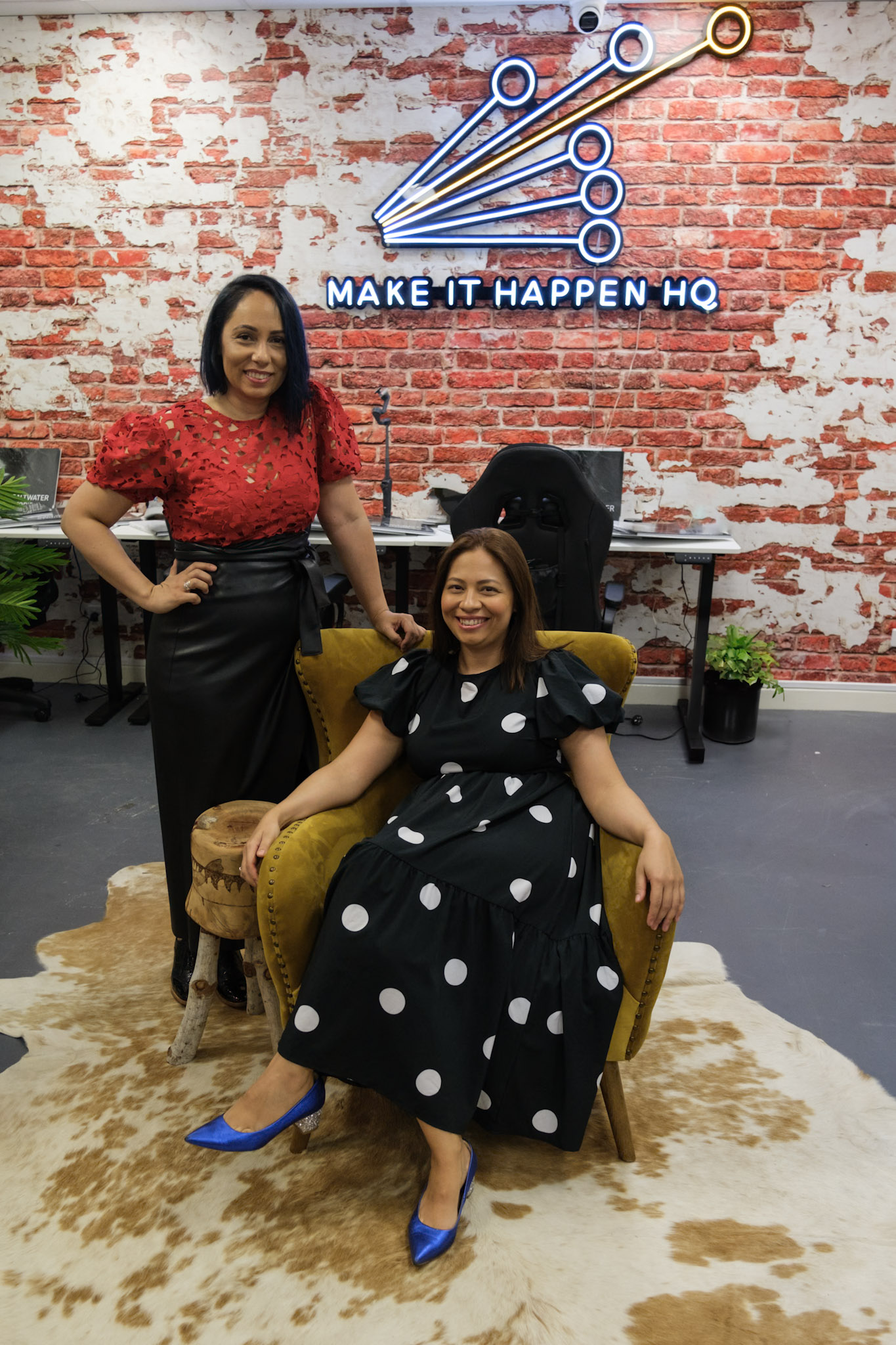
Cara and Adele Peek, the founders of Make it Happen HQ in Broome.


 By Smart™