
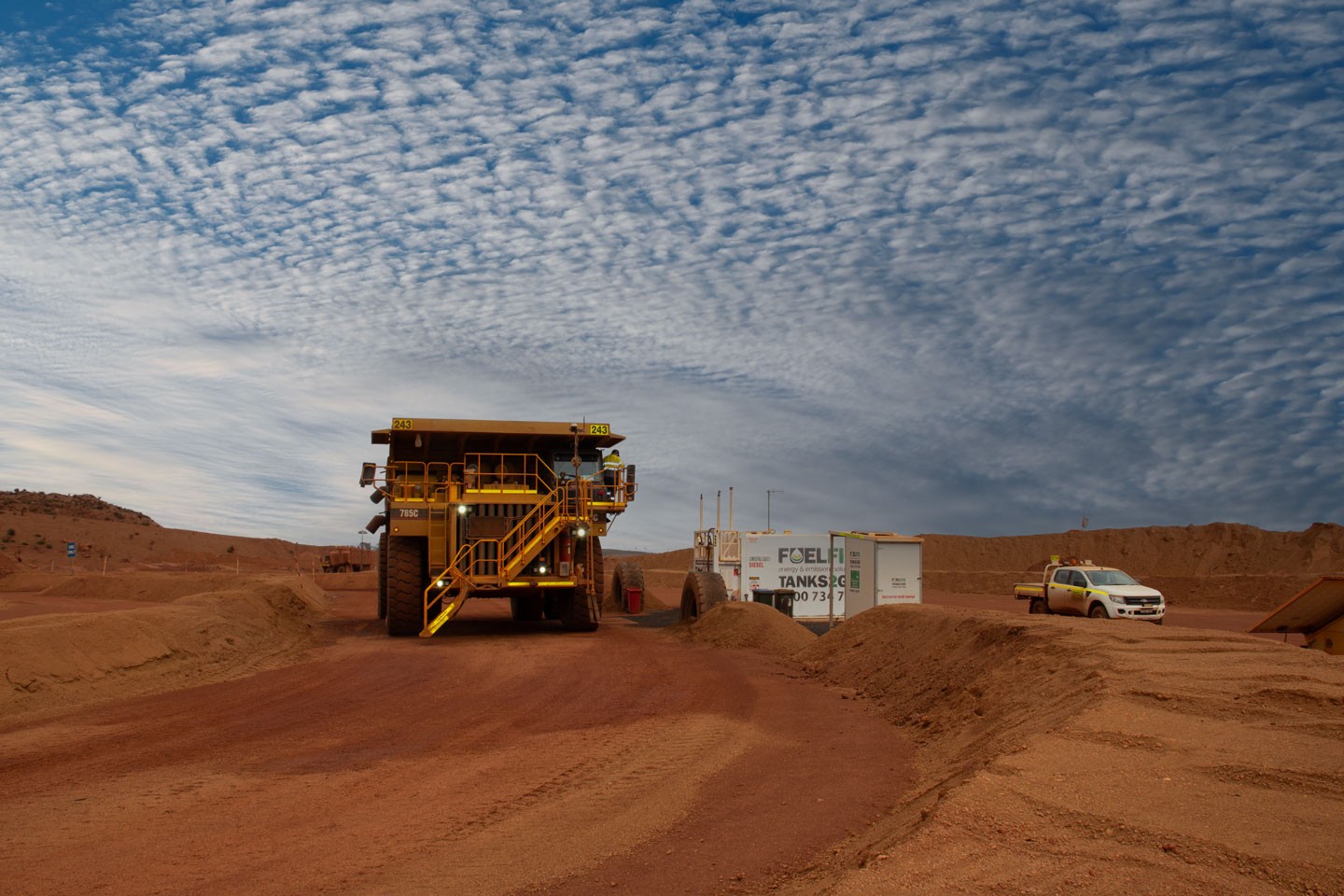
For companies operating in Australia’s resources sector, the energy transition is far more incremental than a rapid shift away from fossil fuels to renewables and electrification.
Fuelfix chief executive Tricia Welsh says the pathway to decarbonisation will come through practical changes that improve efficiency, reduce costs and support operational reliability rather than sudden transformation.
Speaking ahead of Business News’ Future of Resources Sector Briefing, Ms Welsh said the industry’s focus remained firmly on maintaining production whilst navigating the complexities of the energy transition.
“For miners, the priority is always digging rocks out of the ground as efficiently as possible,” she said. “They want the infrastructure around them to allow them to do that safely and reliably.”
For a company like Fuelfix, that means helping mining companies optimise how energy is used on site, whether through traditional diesel systems, battery storage or hybrid solutions.
Fuelfix, headquartered in Perth, has a strong national footprint and specialises in energy storage and fuel management infrastructure. Recently marking 20 years in operation, the company operates multiple branches across Western Australia, including the South-West, Mid West and the Pilbara, along with sites in Queensland and New South Wales, supporting mining activity across key resource regions nationwide.
Each year, Fuelfix supports over 750 customers across mining, transport, civils and construction. Many have partnered with the business since its earliest days, a testament to Fuelfix’s long‑standing commitment to helping customers operate safely, reliably and successfully.
“We pride ourselves on making sure customers have the right energy management and emissions solutions for the business they’re trying to operate,” she said.
“That might be large fuel tank storage for powering mining equipment, or helping transport operators and mining contractors who subcontract to the mining industry.”
“It’s always about having the right-sized energy infrastructure in the right place and measuring where the fuel goes.”
Efficiency as a first step
Fuel consumption remains one of the largest operational costs for resource projects, particularly in remote operations where logistics and storage add complexity.
In periods of strong demand, conserving fuel helps companies ramp up production efficiently. During slower cycles, the same discipline helps control operating costs.
Ms Welsh said those realities mean efficiency improvements are often the first step in a broader decarbonisation strategy.
“In boom times, conserving fuel is important because operations are trying to ramp up,” she said.
“But when costs are escalating and activity slows, conserving fuel and using it as efficiently as possible becomes just as important.”
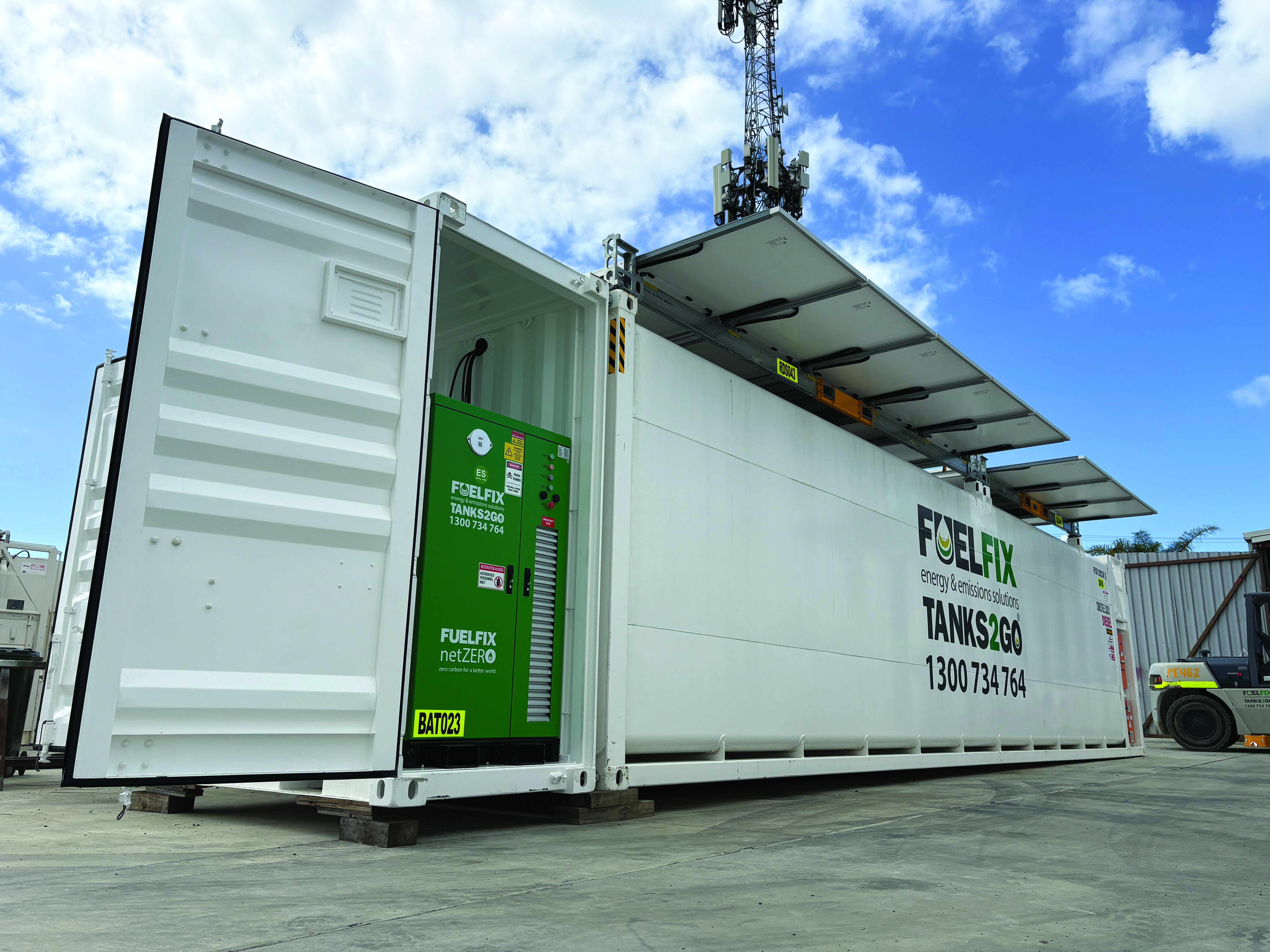
The company’s work spans the entire hydrocarbon supply chain – from fuel storage and transport infrastructure to energy management systems that monitor usage and optimise supply across a site.
Efficient storage and management are critical for industries that rely heavily on diesel-powered equipment. Fuel security also remains an important factor for large industrial users.
“For fuel-intensive operations, success comes from more than just supply. How its planned, stored and managed makes a real difference.
“By partnering closely with customers, we help them take control, improve performance and get more from every litre,” Ms Welsh said.
“Making sure you’re managing that fuel as efficiently as possible is so vital to both operations and the bottom line.”
Making incremental changes
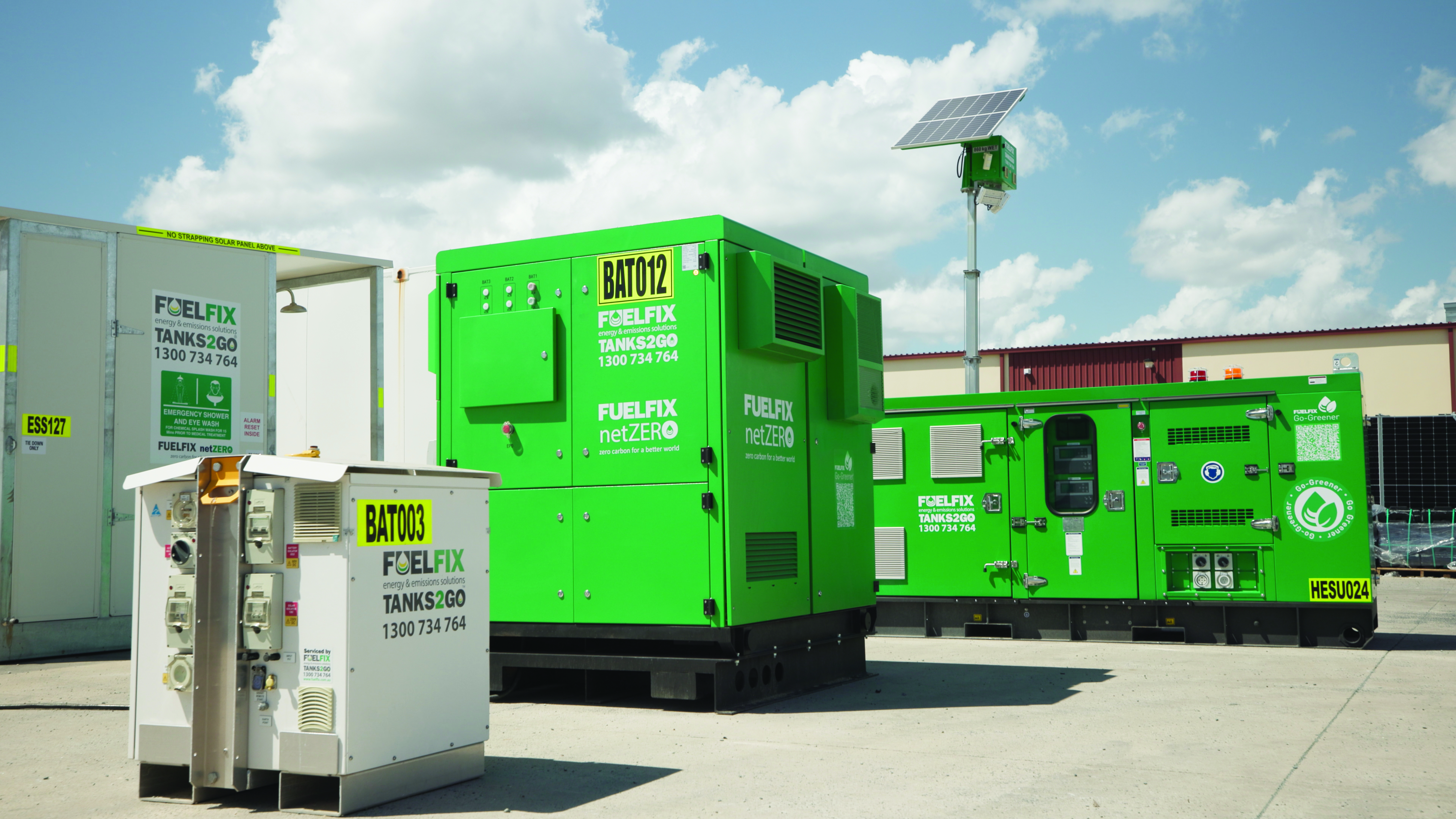
At the same time, Fuelfix has expanded its capability in battery technology and hybrid energy systems. Initially, this shift was driven by expectations that decarbonisation would accelerate rapidly across the mining sector.
Fuelfix’s technology offering is underpinned by its partnership with Sicon Chat Union Electric Co., Ltd (SCU), a global leader in battery energy storage, combining international engineering expertise with Fuelfix’s on‑the‑ground knowledge to collaboratively develop mine‑spec battery energy storage systems (BESS) for large‑scale resource operations. “Our team has worked closely with SCU to develop products that are fit for purpose for mining sites, ensuring we have equipment that can be deployed in tough conditions and deliver operational reliability,” Ms Welsh said.
While the long-term direction toward lower emissions remains clear, the pace of change across the sector has proven more complex than expected.
Global energy markets, shifting geopolitical dynamics and operational constraints have all shaped how quickly companies can transition. Ms Welsh said that meant a more pragmatic approach was emerging across the industry.
“People sometimes think decarbonisation means replacing every piece of diesel equipment with batteries overnight,” she said. “That simply doesn’t happen. Every operation is on a pathway, and every company will be at a different stage of that journey.”
For many sites, hybrid energy systems – combining traditional diesel infrastructure with battery storage or renewable generation – are becoming a practical starting point.
Introducing batteries, for example, can reduce generator run time, extend equipment life and lower maintenance costs.
“By introducing batteries where possible, you reduce the amount of maintenance required on diesel equipment and reduce movements around site,” Ms Welsh said. “That improves safety and lowers the cost of production.”
Importantly, those improvements can often be implemented without disrupting operations.
“There is a role for this equipment on every mining operation, regardless of where you are on the transition journey,” she said.
“It doesn’t need to be difficult or risky, and it doesn’t need to affect reliability.”
A full-system approach
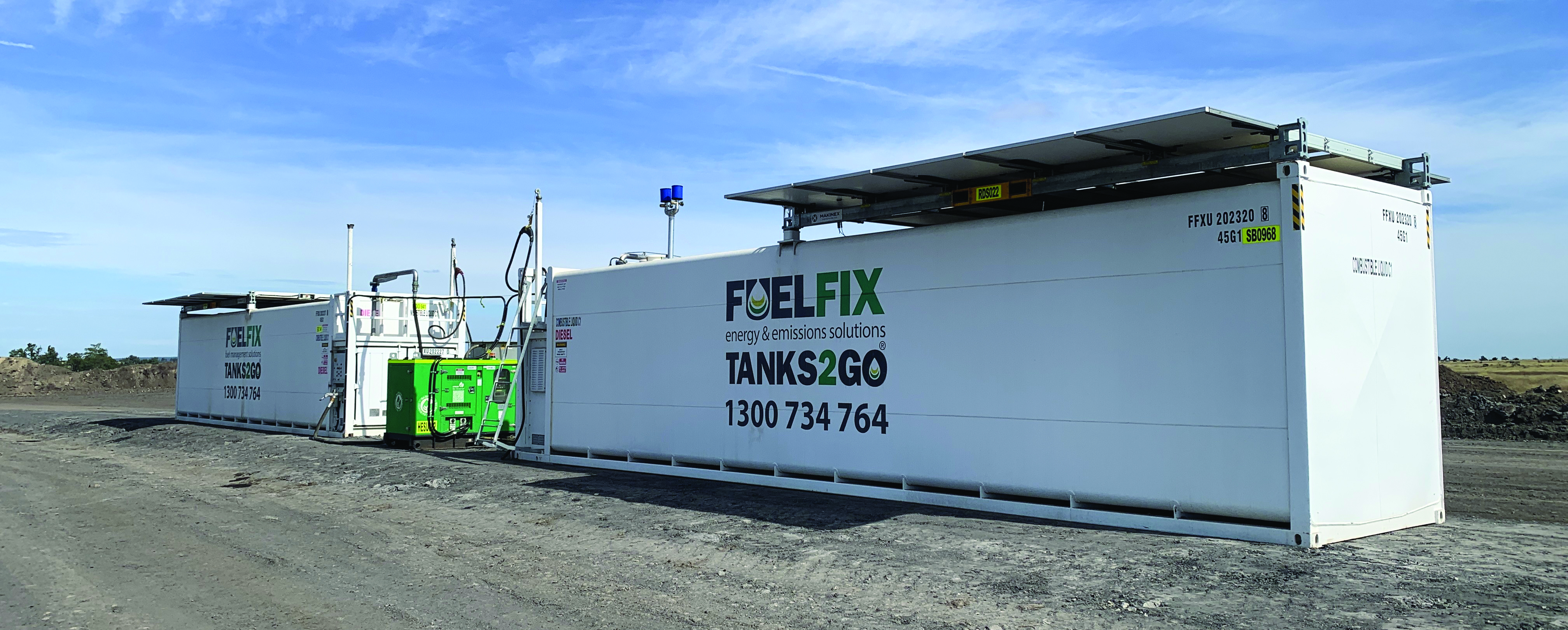
One of the biggest challenges for companies exploring energy transition is managing multiple systems – fuel infrastructure, renewable generation, storage and data monitoring.
Fuelfix’s approach has been to integrate those elements into a single offering.
“We’re probably one of the only organisations that covers the full breadth of energy management and storage,” Ms Welsh said.
“There are competitors that focus on fuel storage and others that focus on batteries, but we deal with the entire journey.”
That capability is supported by a workforce that spans traditional hydrocarbon expertise and emerging electrical technologies.
Fuelfix teams manage services ranging from port operations and fuel transfers to engineering design and battery integration.
“We’ve got a talented team of people across the country doing a variety of activities from discharging and bunkering fuel onto ships to designing complex pumping and dispensing systems,” Ms Welsh said.
“We’ve also built a team that can specify and deploy battery systems that are the right size for the application. With our strong history of hydrocarbon storage and systems and our growing technical capability in hybrid and battery systems, we can provide support and advice to enable customers to use their energy efficiently.”
The next phase
As the resources sector continues to navigate its energy transition, Ms Welsh said the focus would remain on practical solutions that deliver measurable results.
“Decarbonisation matters, and most companies are committed to it,” she said. “But progress starts with using energy more effectively, whatever form that energy takes.
“By optimising existing energy sources, whether diesel, solar or stored power, operators can reduce costs, cut emissions and improve reliability simultaneously.”
For many in the sector, that steady, incremental approach may ultimately deliver greater impact than large‑scale transformation.
“The transition doesn’t need to be overwhelming or disruptive,” Ms Welsh said. “It’s about taking the steps that make sense today and building momentum from there.”