Western Australian employers are increasingly recognising that supporting workforce health requires more than simply funding treatment when something goes wrong. As workforce expectations evolve and pressure on the health system continues to grow, forward-thinking organisations are looking beyond traditional insurance models and towards prevention, wellbeing and early intervention.
This shift reflects a broader transformation occurring across Australia's health sector. Increasingly, health leaders agree that the best health outcome is often the claim that never needs to be made. Rather than focusing solely on funding care after illness or injury occurs, private health insurers are exploring how they can help people stay healthier for longer by supporting prevention, identifying health risks earlier and encouraging more proactive health decisions.
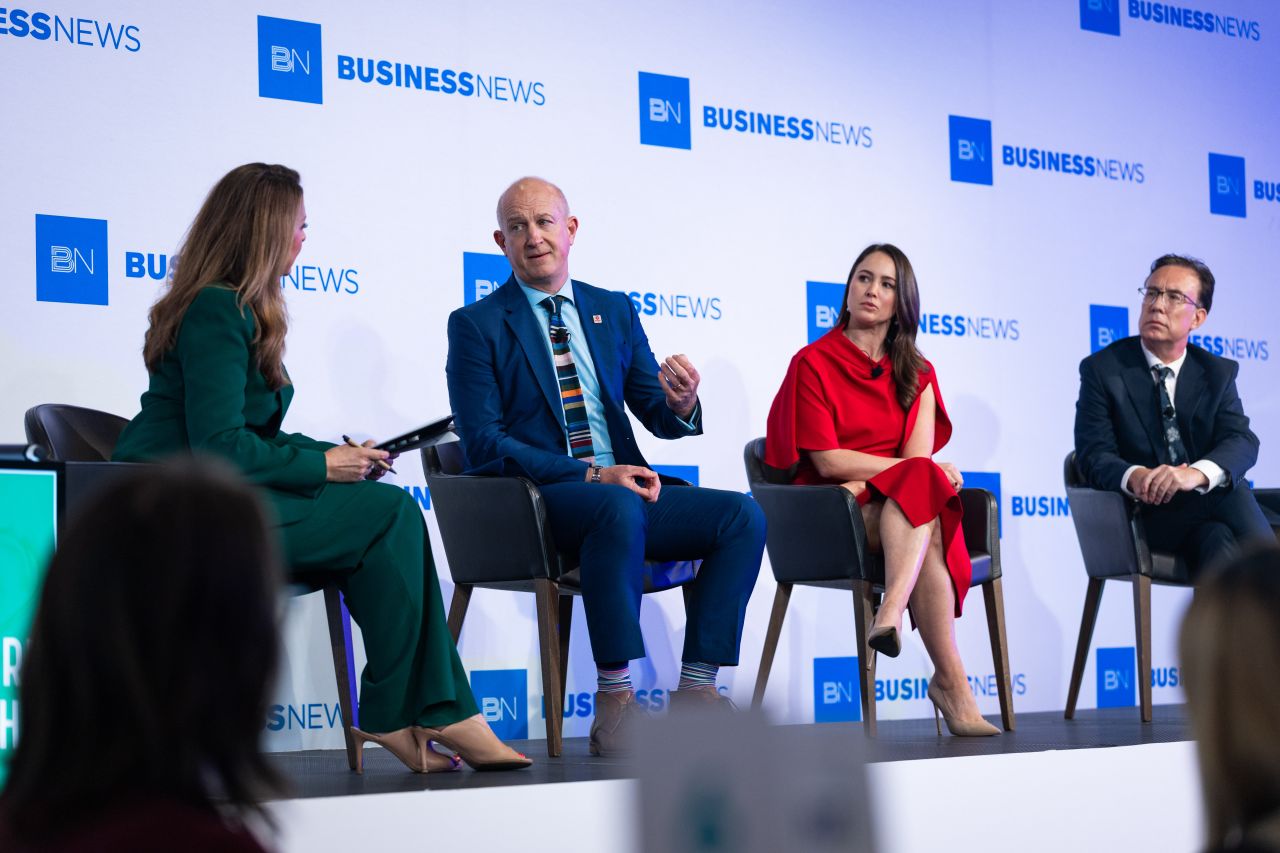
It was against this backdrop that HIF Health Insurance Chair Paul Hersey joined a panel at Business News' recent Future of Health 2026 Sector Briefing, which brought together leaders from across the healthcare landscape to discuss the future of health in Western Australia.
A central question posed during the discussion by WA Health Director General Dr Shirley Bowen was, ‘what if the future of health was smarter, more predictive and more sustainable?’
For HIF, the answer lies not only in advances in technology and data, but also in maintaining a fundamental principle that sits at the heart of every successful healthcare system: healthcare is ultimately about people caring for people.
While emerging technologies such as artificial intelligence, predictive analytics and digital health tools are expected to play a significant role in shaping future healthcare delivery, panellists agreed that technology alone will not solve the challenges facing the sector. Sustainable improvement requires a stronger focus on prevention and earlier intervention across the entire health ecosystem.
Demand for healthcare services continues to increase as Australia's population grows and ages. At the same time, rising healthcare costs are placing pressure on governments, providers, insurers and consumers alike. Waiting until people become seriously unwell or require hospitalisation is becoming an increasingly expensive and unsustainable model of care.
Instead, prevention must become a shared priority.
From individuals and families to general practitioners, community organisations, employers, health insurers and governments, every part of the system has a role to play in helping people maintain their health and wellbeing before problems escalate.
At the centre of this conversation is an increasingly important concept: healthspan.
While Australians continue to enjoy longer life expectancies, the period of life spent in good health is not keeping pace. Living longer is a positive, but longevity alone is not enough if additional years are characterised by chronic illness, reduced mobility or declining independence.
A future-focused health system should aim not only to extend lives, but also to improve the quality of those years. By helping people stay healthier for longer, prevention delivers benefits that extend far beyond individuals to families, workplaces, communities and the broader economy.
For employers, these trends have significant implications.
Employee wellbeing is increasingly being viewed as a strategic business issue rather than solely a human resources function. Healthy employees are more likely to remain engaged, productive and connected to the workforce, while organisations benefit through improved retention, reduced disruption and stronger workplace culture.
As a result, many employers are considering how they can provide greater support throughout an employee's health journey, rather than engaging only when a health issue begins to affect workplace performance.
This presents an opportunity for private health insurers to play a more active role in workforce health. Western Australia benefits from a highly skilled health workforce, strong clinical capability and comparatively high participation in private health insurance. These strengths contribute to significant private sector activity and help ease pressure on the public health system. However, no single organisation or level of government can deliver a healthier future alone.
HIF believes health cover should help people navigate their healthcare options, access support earlier and make informed decisions about their wellbeing. Health decisions are not made exclusively in hospitals and clinics. They are made every day in workplaces, homes and communities.
Creating a more sustainable health system will require collaboration across hospitals, primary care providers, private health insurers, researchers, technology partners, community organisations, government and consumers. Employers also have an increasingly important role to play, given the amount of time people spend in the workplace and the influence organisations can have on health behaviours and wellbeing outcomes.
As a Western Australian-based, not-for-profit health fund based, HIF is seeing growing interest from corporate clients seeking values-aligned partners that share their commitment to employee wellbeing. Increasingly, organisations want to work with providers that focus on member outcomes and long-term value rather than short-term returns.
This aligns closely with HIF's approach, which is focused on delivering genuine value through competitive premiums, meaningful member benefits and services that support members throughout their health journey. HIF has a long-standing commitment to its local community in WA, and sees corporate partnerships as an important opportunity to support employers, strengthen workforce wellbeing and contribute to better health outcomes across the state.
Let HIF support your business to build a healthier, more productive workplace—explore HIF Corporate Health Insurance for WA businesses