Growing demand for reliable energy is bringing the mining and technology sectors closer together, as resources companies increasingly turn to renewable power solutions to support their operations.
With investment in data centres, mining developments and other energy-intensive industries placing greater pressure on energy infrastructure, businesses are exploring alternative power generation and storage technologies to meet their future needs.
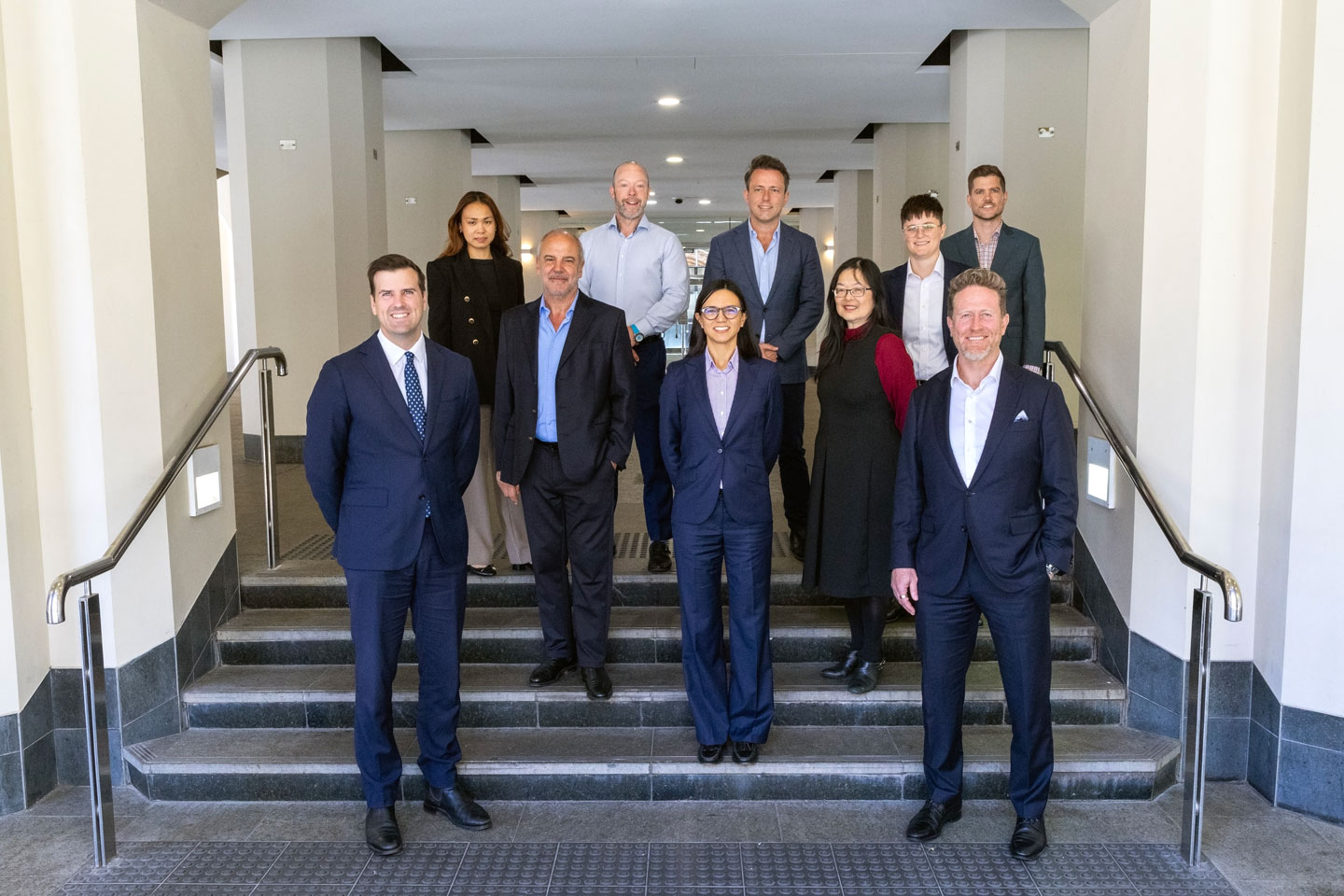
According to MPH Lawyers Managing Director Grant Pestell, the shift is creating new opportunities for collaboration, investment and innovation across Western Australia's resources and technology sectors.
"At MPH, we are seeing significant synergies between our clients operating in the mining resources sector and our technology clients, as mining operators look more towards renewable energy solutions for their businesses," Mr Pestell said.
Perth-based MPH Lawyers advises major mining producers alongside emerging and established technology businesses, providing the firm with insight into the changing commercial needs of both sectors.
Mr Pestell said growing competition for energy resources was accelerating the move towards alternative power solutions.
"Given Australian government investment in data centres and the competition that such investment generates for limited energy resources, our mining producer clients are moving rapidly towards diversifying their energy production and consumption through renewable energy technologies," he said.
This shift is creating opportunities for technology companies developing battery energy storage systems, microgrids and hybrid power solutions designed to meet the demands of mining operations.
Such technologies can offer greater flexibility in power generation and storage, particularly for remote mining operations where reliable energy supply is essential.
“On the technology side, a number of our clients who originate, develop and deliver battery energy storage systems, microgrid and hybrid power solutions for mining are engaged at various levels with both mining companies and the state government to expand capabilities,” Mr Pestell said.
The growing relationship between mining operators and technology providers also presents opportunities to develop and commercialise Australian-originated energy solutions.
As businesses seek to diversify their energy sources, the ability to finance, develop and scale these technologies is becoming increasingly important.
Challenges
However, despite the opportunities presented by the energy transition, emerging technology businesses continue to face challenges in attracting investment and managing commercial growth.
Mr Pestell said recent federal budget changes had introduced additional considerations for startups and investors, particularly those operating in the energy technology sector.
"Recent budget changes have certainly impacted investment into the startup sector, regardless of the future viability or pipeline of work in the energy space," he said.
Changes affecting capital gains tax concessions, research and development incentives and venture capital arrangements are also prompting businesses to review their corporate structures and investment strategies.
"Those changes, including the new CGT concession for startups, changes to R&D tax incentives and venture capital incentives recently announced, have meant our tax advisory business is part of many new restructuring conversations, whether for joint ventures, scaling up operations or overseas operations," Mr Pestell said.
For businesses developing renewable energy technologies, securing investment and establishing appropriate commercial arrangements are important considerations as they seek to expand their operations.
IP protections
Beyond financing and investment, the convergence of mining and technology is also placing greater emphasis on intellectual property protection.
As WA seeks to diversify its economy and develop new industries, protecting locally developed technologies and specialist expertise will become increasingly important.
Mr Pestell said intellectual property was emerging as a key consideration for clients, particularly given the state's workforce constraints and competition for specialist skills.
"Given the need to future-diversify the Western Australian economy and the labour constraints that currently exist within that economy, acquisition and protection of IP, both from a people and technological perspective, is also rapidly becoming a focus for our client base," he said.
For technology businesses, this includes protecting innovations and managing commercial relationships with investors, development partners and customers.
Mining operators adopting new technologies must also consider contractual arrangements, technology ownership and ongoing operational requirements.
MPH Lawyers advises businesses across these areas, drawing on its experience in corporate transactions, commercial agreements, taxation, intellectual property and dispute resolution.
Mr Pestell said energy security and the ability to expand renewable energy capabilities would remain central to business planning.
"We see energy security and the capacity to scale renewable technologies, such as vehicles, generators and microgrids, as being at the forefront of our clients’ strategic considerations for the foreseeable future," he said.
As demand for energy continues to grow, collaboration between mining operators and technology providers is likely to play an increasingly important role in WA's economic development.
For businesses operating across both sectors, navigating the commercial and investment challenges of the energy transition will be essential to turning emerging opportunities into sustainable growth.