

Financial viability, particularly for medium and high-density residential projects in the current West Australian property market, is challenging. That is why UDIA WA is making several recommendations in advance of the next State Budget for supporting residential development feasibility. We are also offering education opportunities for industry and stakeholders through our Professional Development offering.

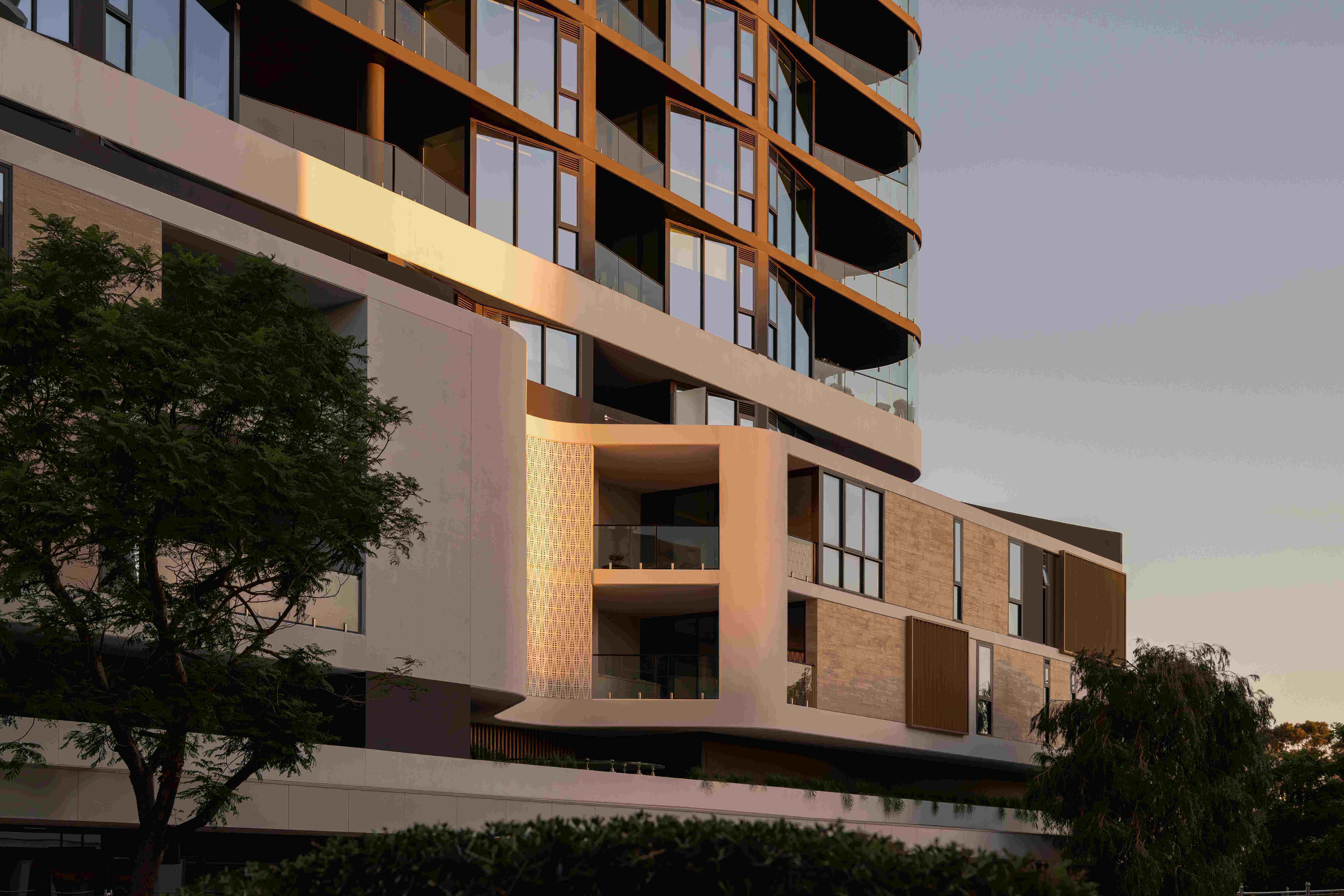
Financial viability, particularly for medium and high-density residential projects in the current West Australian property market, is challenging.
A range of external factors from materials and labour costs to layering of regulation, policy, taxes, fees and charges, all impact on the financial viability of residential property development projects in the built form space.
That is why we have been seeing relatively few townhome and apartment projects emerge in recent years in WA, outside of premium locations where developers can make the project ‘stack up’ from a financial perspective due to high property values. This impacts housing choice and affordability for consumers, in a time when housing supply is heavily constrained and cost of living pressures are high.
UDIA WA has been advocating for a range of measures to be implemented to support financial viability of more medium and high-density projects in WA. This would have the potential to unlock much needed housing supply and diversity in a range of areas.
Expanding support for apartment feasibility
In our recent State Budget submission one of our recommendations includes that the State Government creates a facility for low interest mezzanine finance loans and underwriting of stock to boost medium and higher density project viability.
Keystart providing low interest mezzanine finance would help to bridge the feasibility gap for shovel-ready projects, getting more supply on the ground quicker. Coupling the loans with underwriting of stock to help achieve pre-sales requirements would further assist feasibilities.
Our State Budget submissions also recommends the extension and expansion of the existing Infrastructure Development Fund (IDF).
The IDF was established to assist with the cost of resolving infrastructure constraints that impact the supply of medium to high density housing projects in priority infill locations within metropolitan Perth; and key worker accommodation and community housing in the regions.
The IDF consists of three funding programs including a targeted apartment rebate of up to $10,000 per multiple dwelling to assist with water, wastewater and electricity infrastructure connection and contributions costs incurred with Water Corporation or Western Power.
The second stream of the IDF has been designed as an infrastructure investment program to address constraints in the water, wastewater and electricity network at a precinct scale, to facilitate medium to high density development within designated areas.
The third tranche is aimed at regional accommodation.
It is positive to see that since the IDF launched, funding has been allocated through the Apartment Rebate to 112 projects that are expected to provide 8,021 dwellings across 55 suburbs.
However, as at early November 2025, only 2,204 of these dwellings (~28%) had commenced construction thus far.
Further, while there has been an overallocation of IDF funds, many projects will not receive their full allocation because the headworks costs are lower.
Extending the IDF beyond its current expiry of 31 December 2025, as well as increasing the per dwelling amount to at least $20,000 and expanding it to allow a broader range of statutory fees and charges on infill development to be recouped, will provide much needed aid to project feasibilities.
You can read our full pre-budget submission here that has more detail on these recommendations and a range of other key asks that will support the delivery of much needed housing supply to the market.
Building capability in the property industry
While support measures aimed at aiding financial feasibility of projects is essential given the current housing supply shortage, UDIA WA is also facilitating greater capability across the property industry to understand the fundamentals of assessing project feasibility, including market analysis and financial metrics, with a dedicated course run through our UDIA WA Educate program.
UDIA WA’s Project Feasibility, Risk and Finance in Property Development Course has been specifically curated for the WA context and is run by local experts with firsthand knowledge of project planning and delivery.
The course is relevant for those involved in built form and residential land development, with course presenters from a range of large development companies including Cedar Woods, Urban Quarter, DevelopmentWA, Peet and Mirvac , along with The Civil Group and Winsome Capital.
Across two days, the highly experienced presenters will step participants through the key considerations and processes that drive successful property developments, drawing on real examples and providing hands-on learning opportunities.
Day one of the course runs through creating a project feasibility and product selection before moving into a risk and return workshop where participants can get a practical understanding of risk management principles through hands on exercises.
The second day focuses on developing value and preparing a compelling business case, concluding with another interactive workshop to ensure participants leave with a practical understanding of how to apply what they have learned throughout the course.
Find out more
If you would like to find out more about UDIA WA Educate’s Project Feasibility, Risk & Finance in Property Development course, that will be running on 17 and 18 March 2026, please visit here.
To view all the courses on offer from UDIA WA Educate, visit here.
Thank you to UDIA WA’s Education Partner, Stockland, for supporting our Professional Development programs.