




The state government has paid $10 million to secure four million litres of diesel to create an emergency stockpile to be based in the Kimberley.

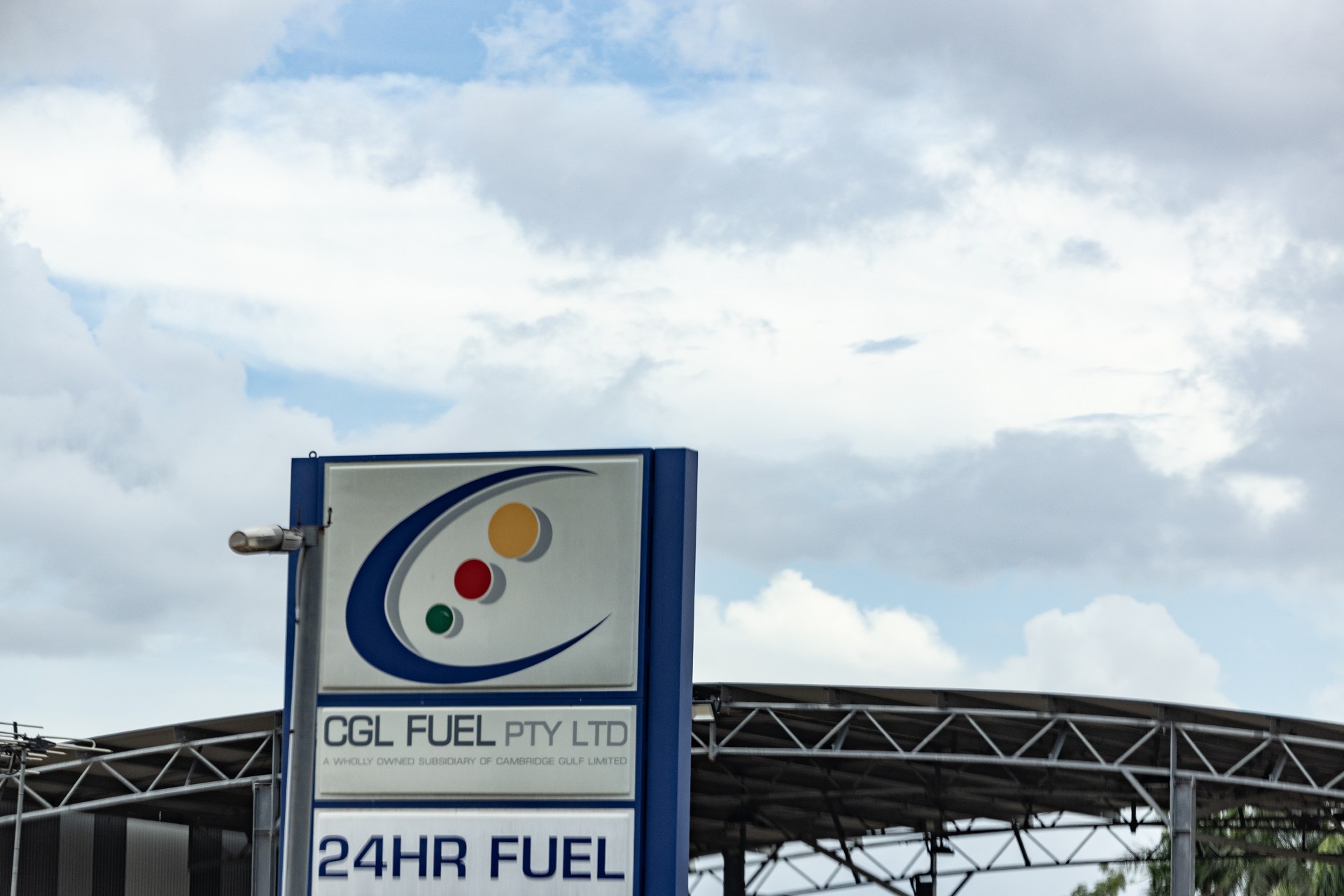
The state government says it has secured four million litres of diesel to create an emergency stockpile to be based in the Kimberley.
The deal, struck with Cambridge Gulf, is costing taxpayers $10 million and has been signed outside of the national fuel security arrangements.
“The fuel, which is expected to arrive in the coming weeks, will be stored free of charge by Cambridge Gulf in the Kimberley,” Premier Roger Cook said.
Energy Minister Amber-Jade Sanderson said the new stockpile was the start of a plan to create fuel reserves across the state.
“This strategic stockpile will be a lifeline for regional areas at times of acute need, an emergency supply of diesel 100 per cent owned by the state for the use of West Australians,” she said.
“We are different to every other state. We are the largest single jurisdiction in the world. We have specific needs, which is why we need to have our own stockpile.”
The state government said the option for future fuel purchases was being considered, as Cambridge Gulf's facility has the capacity to store up to 12 million litres of fuel.
On the issue of fuel retailers’ current petrol and diesel pricing, Mr Cook said Consumer Protection Commissioner Trish Blake was writing to all outlet companies asking for information around price settings in recent weeks.
He said the commissioner will determine whether fuel gouging has been occurring on the back of the Middle East war.
Nationals MP Lachlan Hunter said despite the government’s efforts Wheatbelt farmers are still anxious about fuel supplies across the seeding timeline.
“In my own electorate of Dowerin, we've seen eight days that that town has gone without diesel,” he said.
“It took me, as a local member of parliament, to raise it with the minister via the media to let them know that there was a problem.
“Farmers in the state of Western Australia are going to be planting their crop right now and in the next coming weeks, with little to no fuel in their bowsers on their farms.”

