Australia's energy transition depends on an unglamorous but critical piece of infrastructure: the high-voltage transmission lines carrying electricity from wind and solar farms to the cities and industries that need it. Building that network requires crane & EWP solutions capable of working safely at height, and the logistics discipline to move oversized components into remote terrain. Boom Logistics, Australia’s only ASX-listed lifting solutions and labour hire specialist, has spent over a decade building that capability, and its recent contract wins show how transmission work has become mission-critical to its renewable future growth story.
Australia's energy transition is fundamentally an infrastructure challenge. Every transmission line, substation, wind farm and battery installation requires specialist lifting capability. With one of the nation's largest crane fleets, Australia's leading Travel Tower capability, and an established regional footprint, Boom Logistics is a critical delivery partner in building the infrastructure that will power Australia's future. The company delivers major transmission line and energy distribution projects nationally, servicing metro, regional and remote sites, and works in greenfield, brownfield and de-energised environments for repair and maintenance works – a distinction separating general lifting contractors from those trusted with live grid infrastructure.
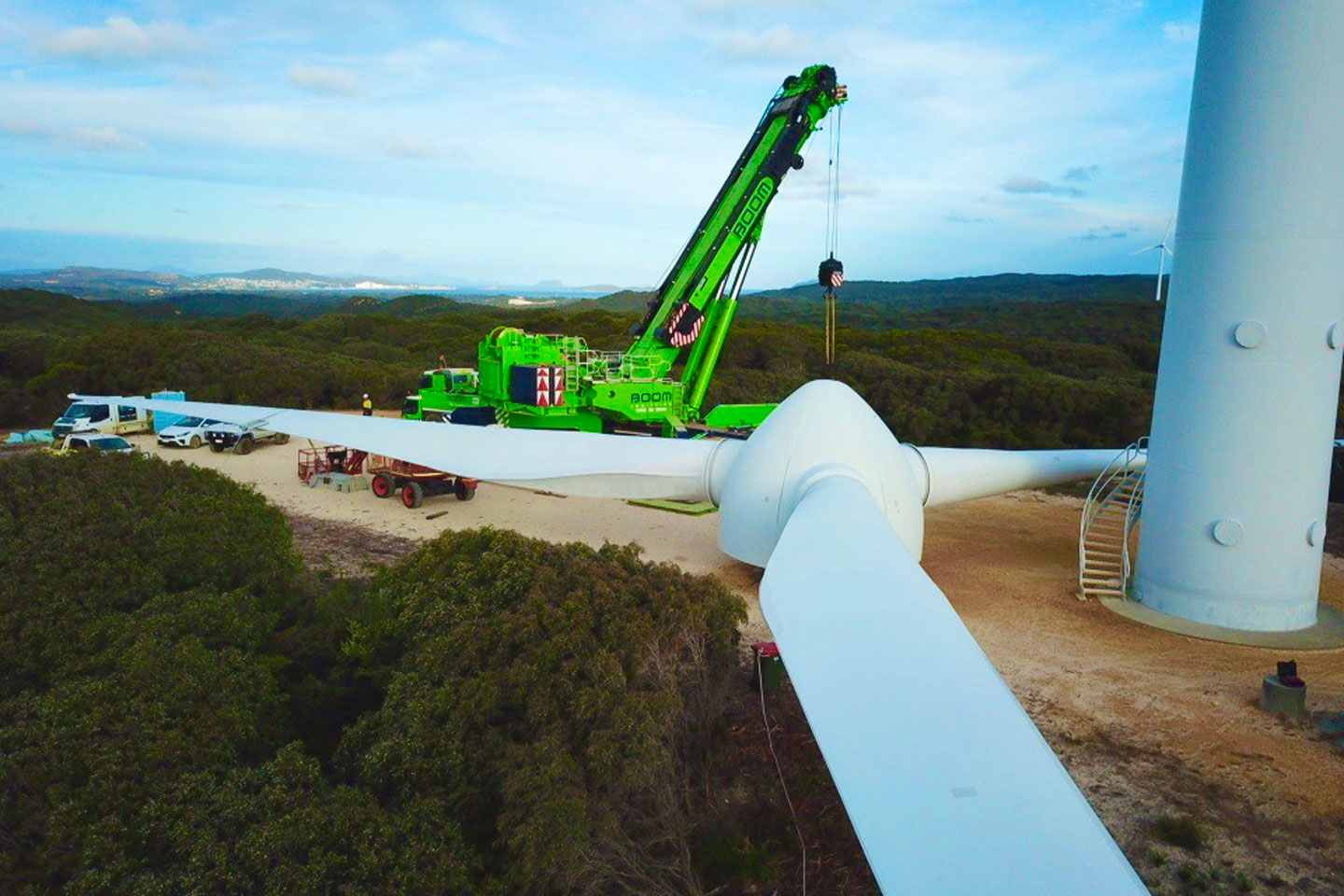
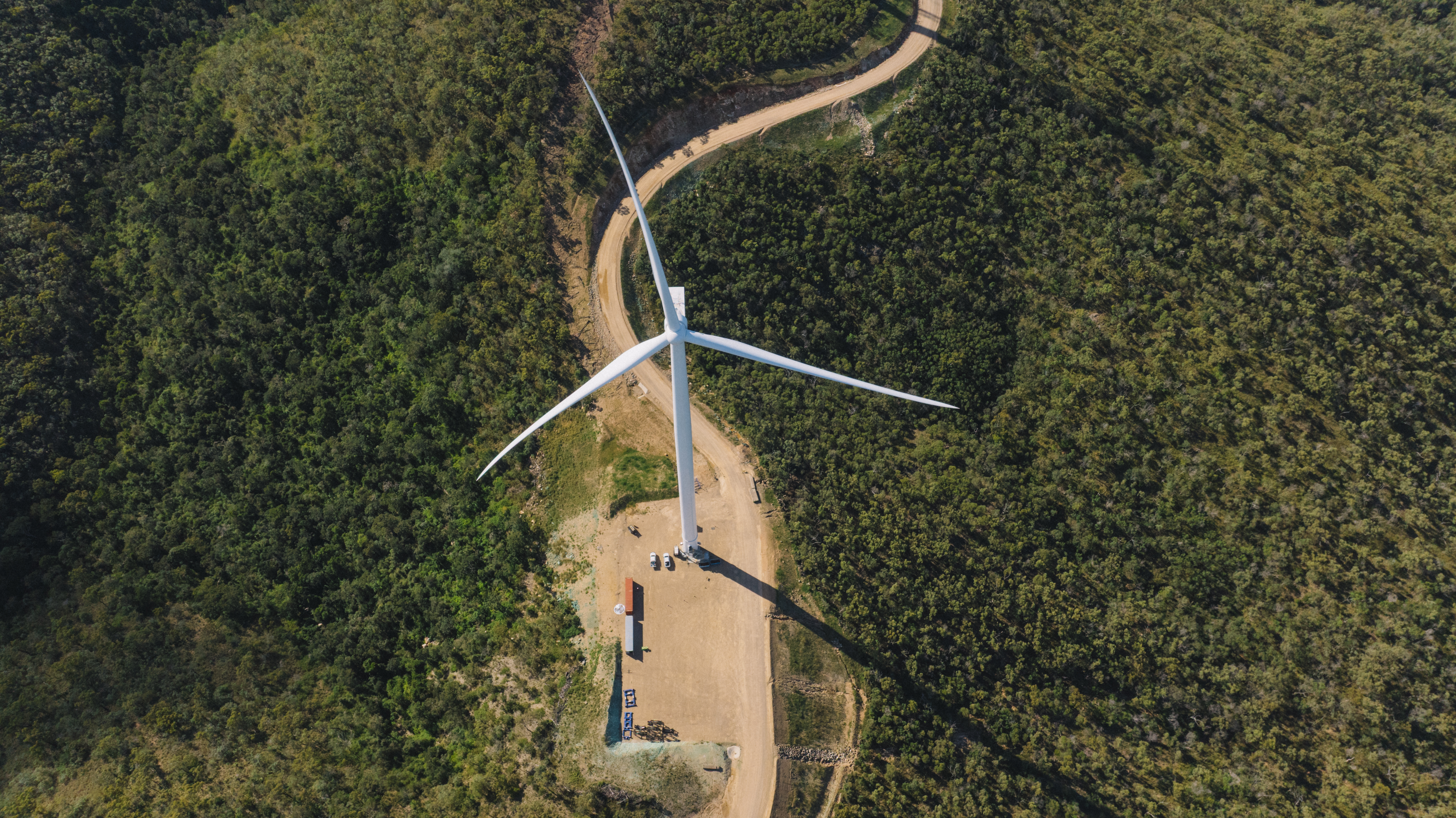
On the wind farm side, Boom's scope and scale of works is significant. Its collaborations with wind turbine manufacturers have delivered crane and installation packages in excess of 850MW of wind power to date, backed by a dedicated construction division and a fleet including multiple cranes purposed for the wind market, plus further 800-tonne cranes for service works.
A key elevator of Boom's pitch is its combined crane and elevated work platform offering. Boom's access to height lifts operate more than 35 of the aerial platforms nationally, including their newly acquired 70-metre units, with reach spanning 38 to 70 metres across projects. According to Boom’s Chief Executive, Lester Fernandez, the fleet works hand in hand with Boom's crane and EWP teams on transmission projects where both categories of machine are required according to the stage of construction, repair or maintenance – a combination adding Boom to a shortlist of operators offering both at scale, supported by experienced and dedicated personnel in this sector.
The scale of individual lifts illustrates the complexity – at Clarke Creek, the scope involved more than 1,300 single lifts of turbine components, using 750-tonne and 250-tonne all-terrain cranes to offload 100 turbines. Boom's construction leadership describes a tender process beginning with a constructability breakdown of required personnel and equipment before contract terms are finalised, with Boom retaining overall project management while engaging subcontractors under its own systems.
Boom's project history maps closely onto Australia's broader renewable build-out: Landmark wins included the Coopers Gap wind farm contract, covering installation of 56 turbines for an expected $14-16 million in revenue, and Cattle Hill in Tasmania, involving 48 turbines lifted by eight cranes including two 750-tonne units reaching a 100-metre hub height. More recently, Boom has undertaken work at Murra Wurra Wind Farm and confirmed continued involvement at Clarke Creek.
The most significant financial teller came from the company's own half-year results. In its H1 FY26 earnings call, CEO Lester Fernandez pointed to transmission work as one of two pillars, alongside resources contracts like the BHP Olympic Dam extension, driving the business forward. He cited NSW's $4.1 billion transmission investment, including EnergyConnect, alongside resources work at Jimblebar in the Pilbara and the $2.8 billion Alkimos desalination plant in WA, framing Boom's ability to relocate people and fleet quickly between these environments as a core strategic strength.
The structural case for transmission work remains intact and competitive, as comparable operators have expanded their own high-reach fleets to service this demand. Complemented by market analysis pointing to WA's renewables sector shifting from a comparatively quiet period into markedly stronger activity in recent months, alongside a pickup in Pilbara transmission projects, provides a useful signal that the state's own pipeline, distinct from east-coast projects like EnergyConnect, is beginning to translate into contracted work.
None of this comes without the usual caveats of a capital-intensive, cyclical industry, where approvals timelines can shift the pace of individual projects. But taken together, Boom Logistics paints a picture of a specialist contractor positioned squarely in the path of two of the country's biggest infrastructure build-outs. Boom looks well placed to keep converting Australia's energy transition into contracted, revenue-generating work.


 By Boom Logistics