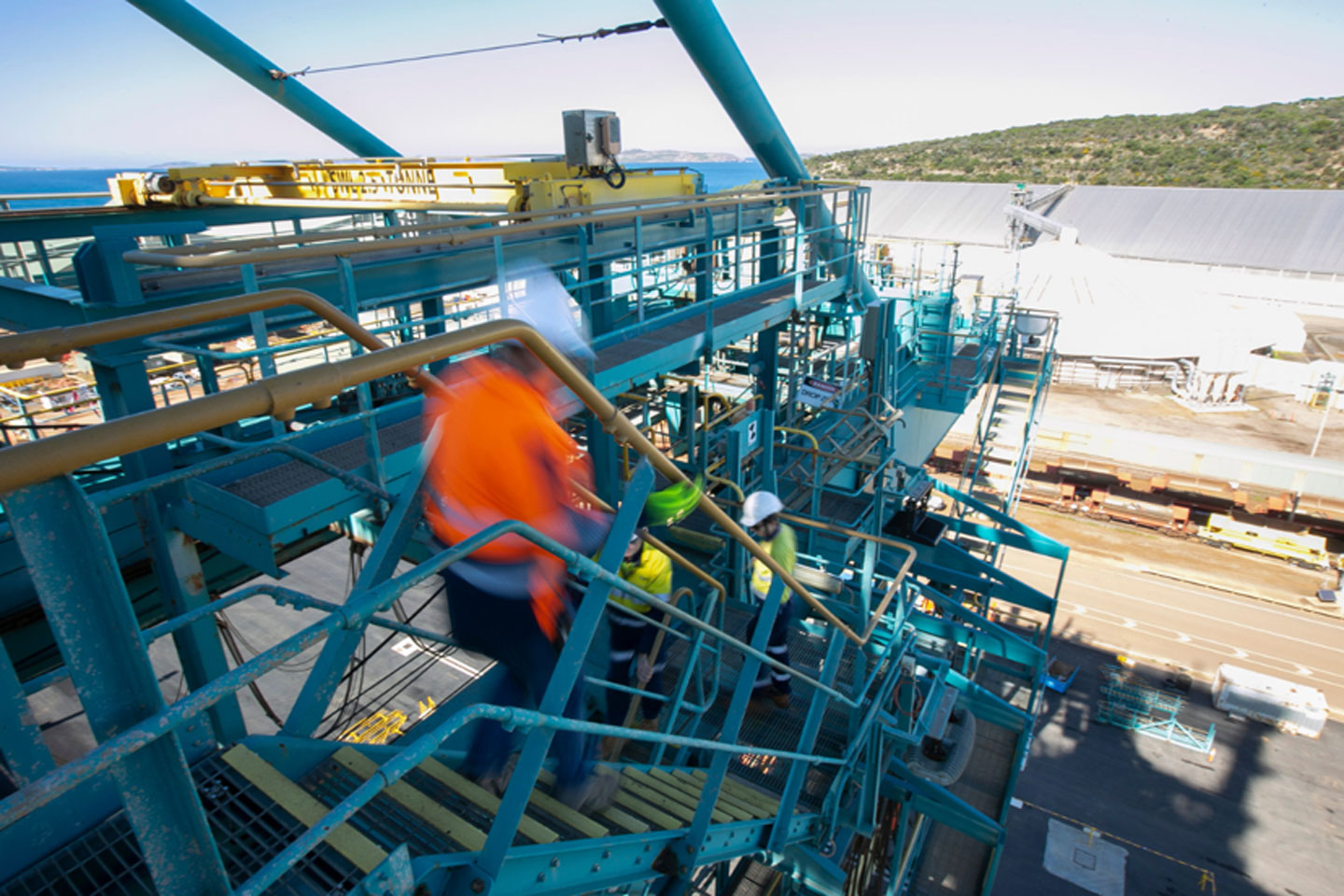
A record level of capital has been invested into ports in Western Australia’s south over recent years, with more than $100 million alone invested in more than 150 capital projects delivered by Southern Ports over the past two years.
This investment has continued to grow with the State Government’s commitment of $55 million in its latest budget for further infrastructure upgrades and long-term planning.
Southern Ports Chief Executive Officer Keith Wilks said investment in port assets was driven by its strategy to provide flexible capacity to support new and current trade while safeguarding our assets for future generations.
“Our strategic direction is clear – we’re investing in our ports as a way of investing in the growing prosperity of our regions,” Mr Wilks said.
“For generations our ports have provided opportunities to industries which have stood the test of time and others which have come and gone.
“We know our regions are not standing still, and neither are our ports.”
The flexibility of multipurpose berths at the ports of Albany, Bunbury and Esperance provide opportunities for Southern Ports to grow its diversity in trade and customers with assets that are adaptable.
One of Southern Ports’ busiest berths, Berth 8 at the Port of Bunbury, catered for 12 different customers trading in seven different commodities in the past year, reaching record trade results last year.
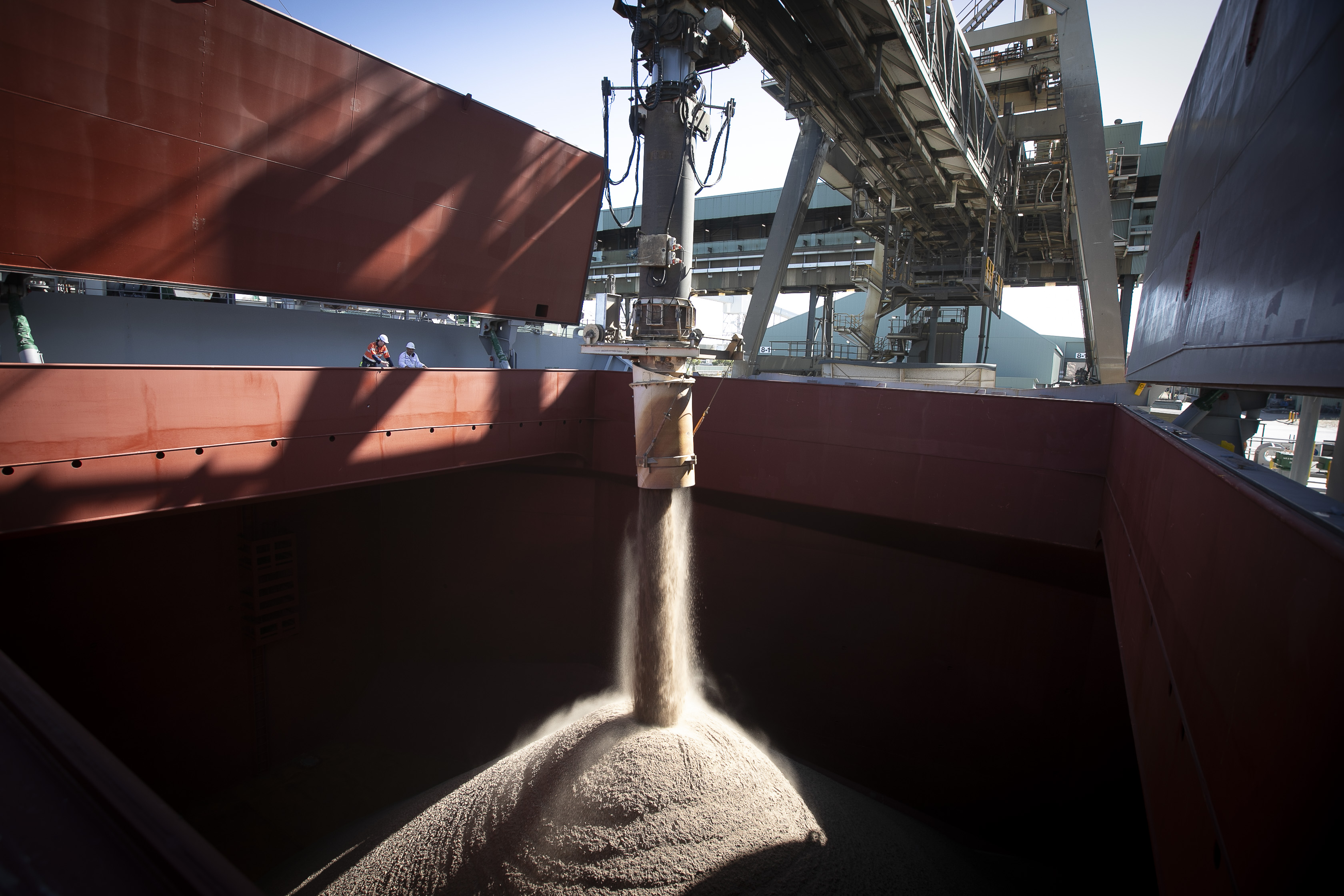
Silica sand loading at Port of Bunbury’s Berth 8
With an occupancy of 75 per cent and high demand for additional trade throughput, the berth is also the singular focus of optimisation efforts, the likes of which can also be applied to other berths in the future.
“The potential for growth at Bunbury is relatively easy to see because we have 470 hectares of land to expand into, but the key to unlocking growth and efficiency in the short term are optimising our already existing assets,” Mr Wilks said.
“Across our three ports we have 14 berths that we manage, and despite their differences, there are lessons that can be applied to the other 13 by optimising one of our busiest and most diverse berths.
The work being rolled out at Bunbury’s Berth 8 includes improvements to sheds, loading systems, berth works, emergency capacity and access roads.
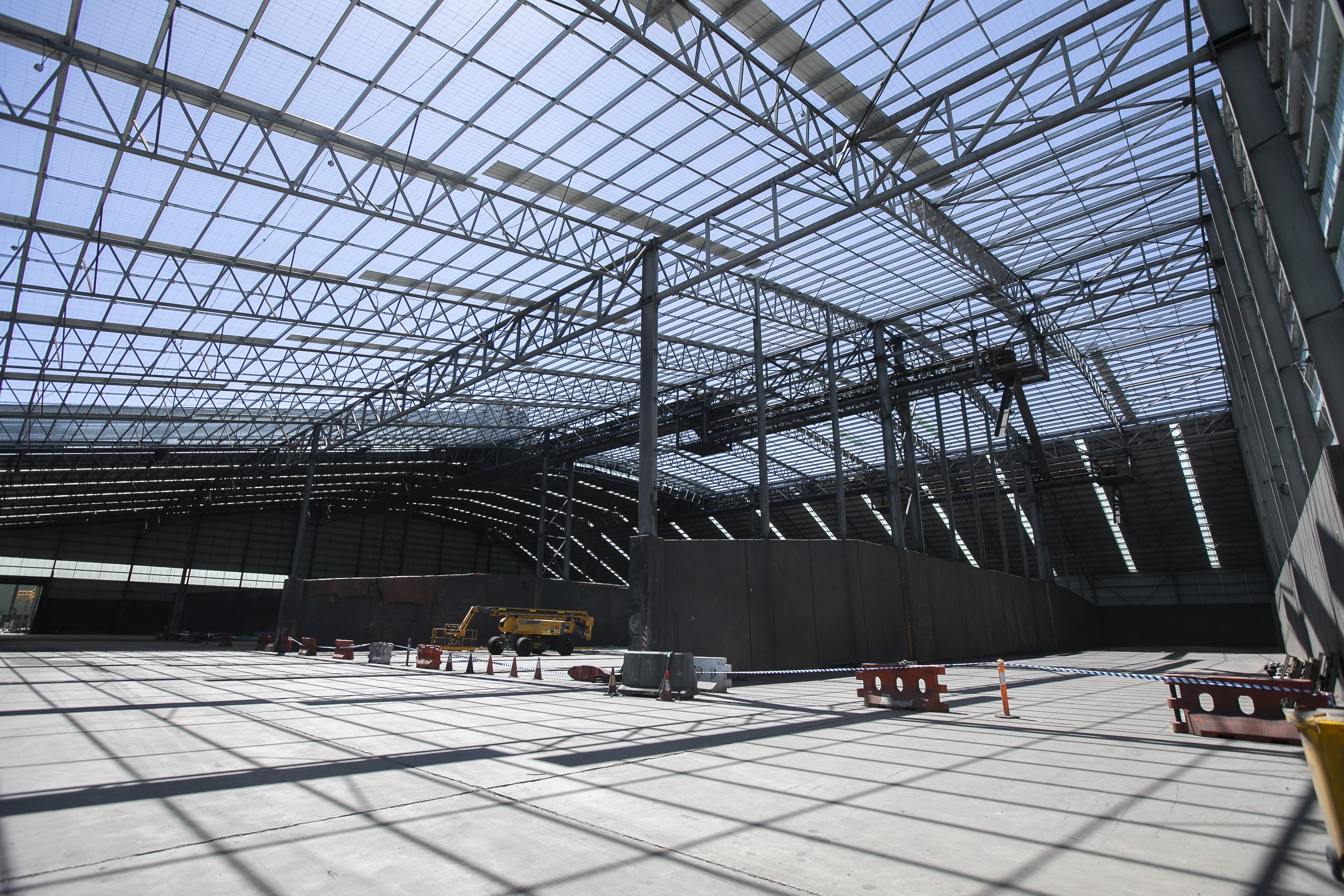
Shed recladding at Port of Bunbury’s Berth 8
These are a typical cross-section of the upgrades being invested in across all three ports, in addition to new systems being implemented, new mooring for tug and pilot boats, restoration projects and much more.
Investing in infrastructure is one thing, managing that infrastructure to ensure it delivers the best outcome from that investment is another.
"There is little point investing in our assets and investing in improvement if we don’t capitalise on the advantages those investments make for as long as possible," Mr Wilks said.
"It is about investing with a purpose that is well informed, well planned and well delivered in order to create a lasting impact.
"Crucially that planning doesn't stop at the point of delivery, it looks years ahead – decades even."
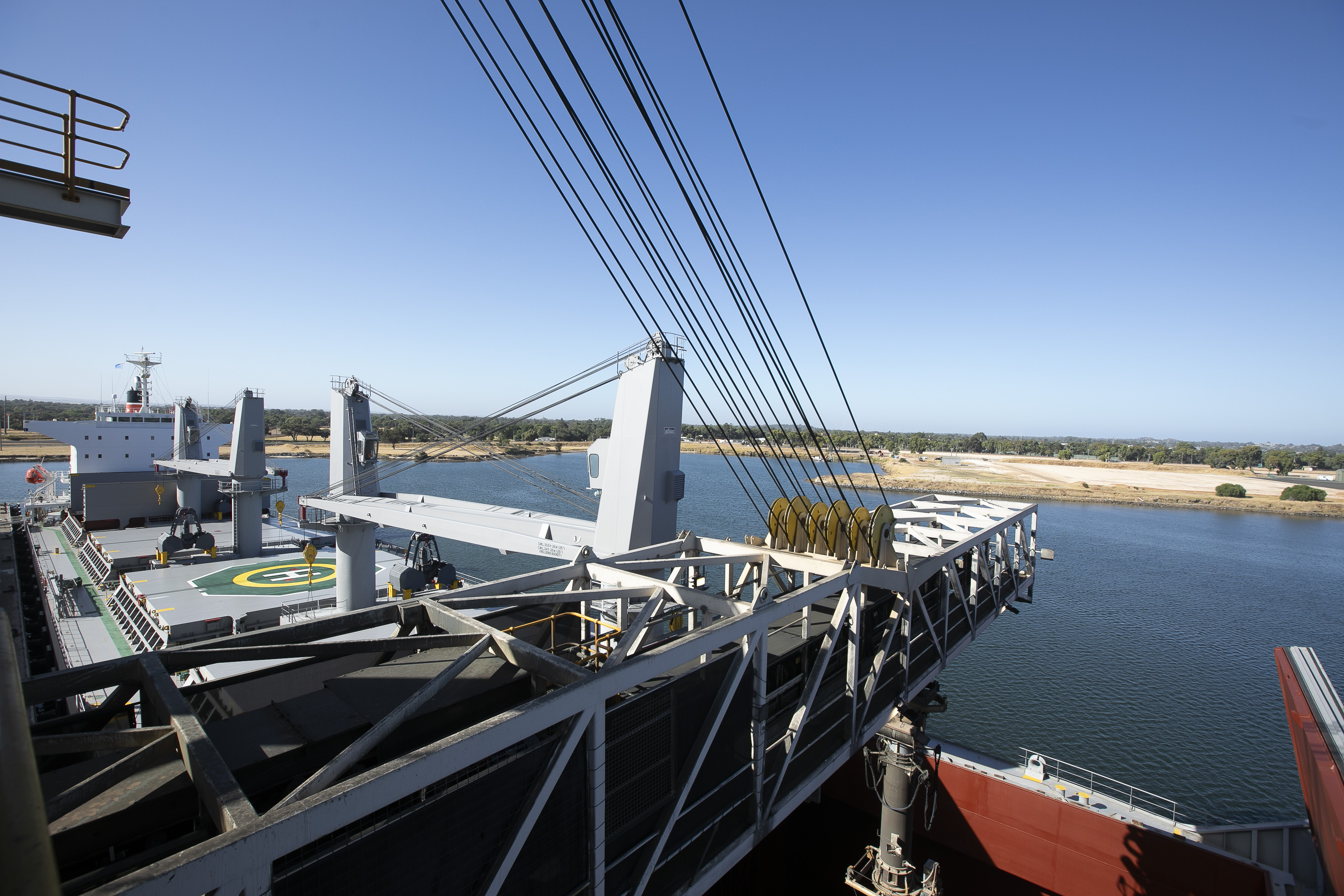
Port of Bunbury’s shiploader
The organisation’s award-winning asset management system (AMS) is proof of that commitment, as well as being a prime example of the careful planning that goes into investment.
In 2025, Southern Ports became only the fifth port globally to have an internationally accredited asset management system – demonstrating that as a high-performance organisation it is not content with just being ‘good enough’.
It spent years developing a tailored system that covers a comprehensive list of the port authority’s more than 9,500 assets across 14 asset classes, and considers the lifecycle of its assets and how they are managed from planning to recycling.
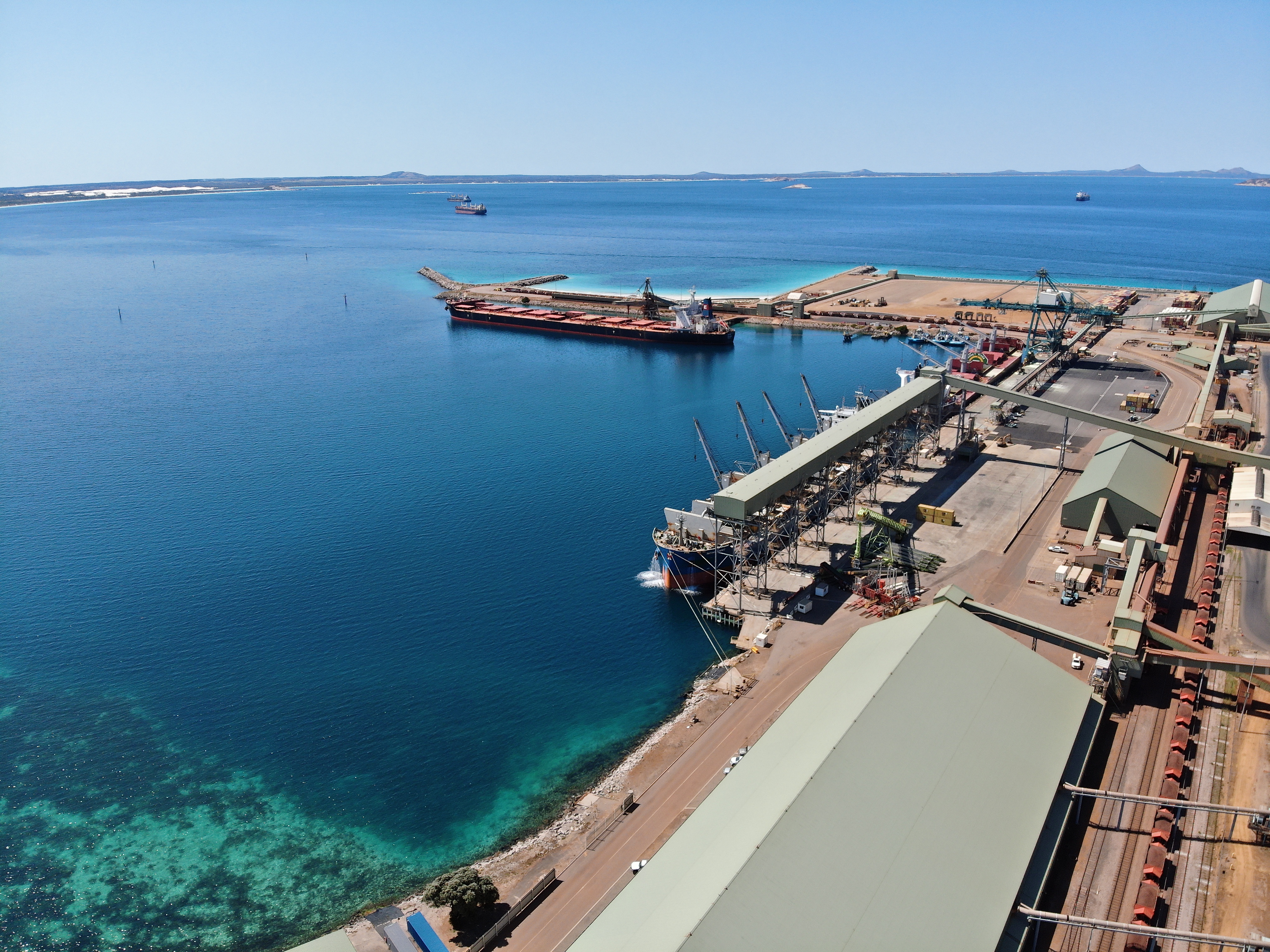
Rail, sheds, shiploaders and berths are only a few of the asset classes at the Port of Esperance
The system now provides the opportunity to make data-backed decisions, prioritising preventative maintenance and a clear schedule of investment.
“When we talk about our assets and investment into our assets we’re generally talking about our built infrastructure on top of our natural assets, but our people and communities are also vital assets,” Mr Wilks said.
“By ensuring our teams understand why asset management aligns so strongly with our strategy we make the AMS much more effective.
“And with an effective AMS we are much better placed to secure the investment we need into our ports – it all goes hand-in-hand.”
Southern Ports growth and planning is also backed by its award-winning master plans that provide the skeleton for further development and the realisation of untapped potential over the coming decades.
Armed with all that information, Southern Ports is investing in itself in order to continue driving regional growth.
“We’re custodians of assets that have passed through the hands of many people with many big ideas, Mr Wilks said.
“When those big ideas and plans come to fruition, everyone in our regions and everyone in WA wins.”


 By Southern Ports